Orthopedic trauma includes injuries to bones, joints and surrounding soft tissues caused by falls, road accidents, workplace incidents or high-impact sports. Some injuries are clearly serious, while others initially appear manageable but worsen as swelling develops. Consulting an Orthopedic Trauma Specialist in Sanghvi can help identify instability, displacement or associated tissue damage that requires timely treatment.
Rapid assessment is particularly important when a limb looks deformed, circulation appears affected or an open wound is present.
Warning Signs That Need Emergency Attention
Seek urgent medical care after an injury if there is:
- Visible bone or an open wound over a suspected fracture
- Severe deformity
- Uncontrolled bleeding
- A cold, pale or bluish hand or foot
- Loss of sensation
- Inability to move the fingers or toes
- Rapidly increasing swelling
- Severe pain out of proportion to the visible injury
- Suspected hip, pelvis or spine injury
- Multiple injuries after a significant accident
Do not give food or drink when emergency surgery or anaesthesia may be needed. Avoid attempting to straighten a visibly deformed limb. Support it in the position found and arrange safe transport.
Why Trauma Assessment Goes Beyond an X-Ray
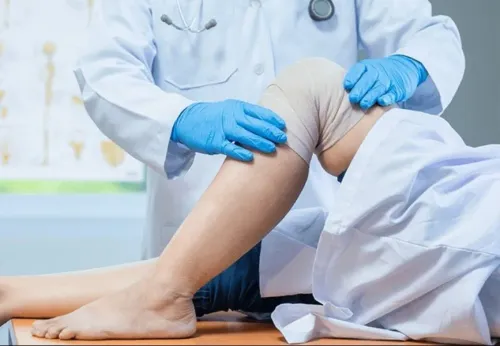
An X-ray can reveal many fractures, but orthopedic trauma evaluation also examines skin, circulation, nerves, joint stability and muscle compartments. Some injuries involve ligament damage or fractures that are difficult to see on initial imaging.
CT may help define complex fractures, while MRI can be useful for selected soft-tissue or occult injuries. The test should be chosen according to the suspected problem.
The specialist also considers whether the injury affects a joint surface, growth plate, tendon attachment or blood supply. These details can change the treatment plan.
Non-Surgical and Surgical Options
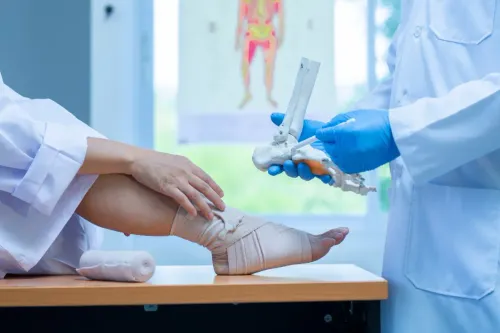
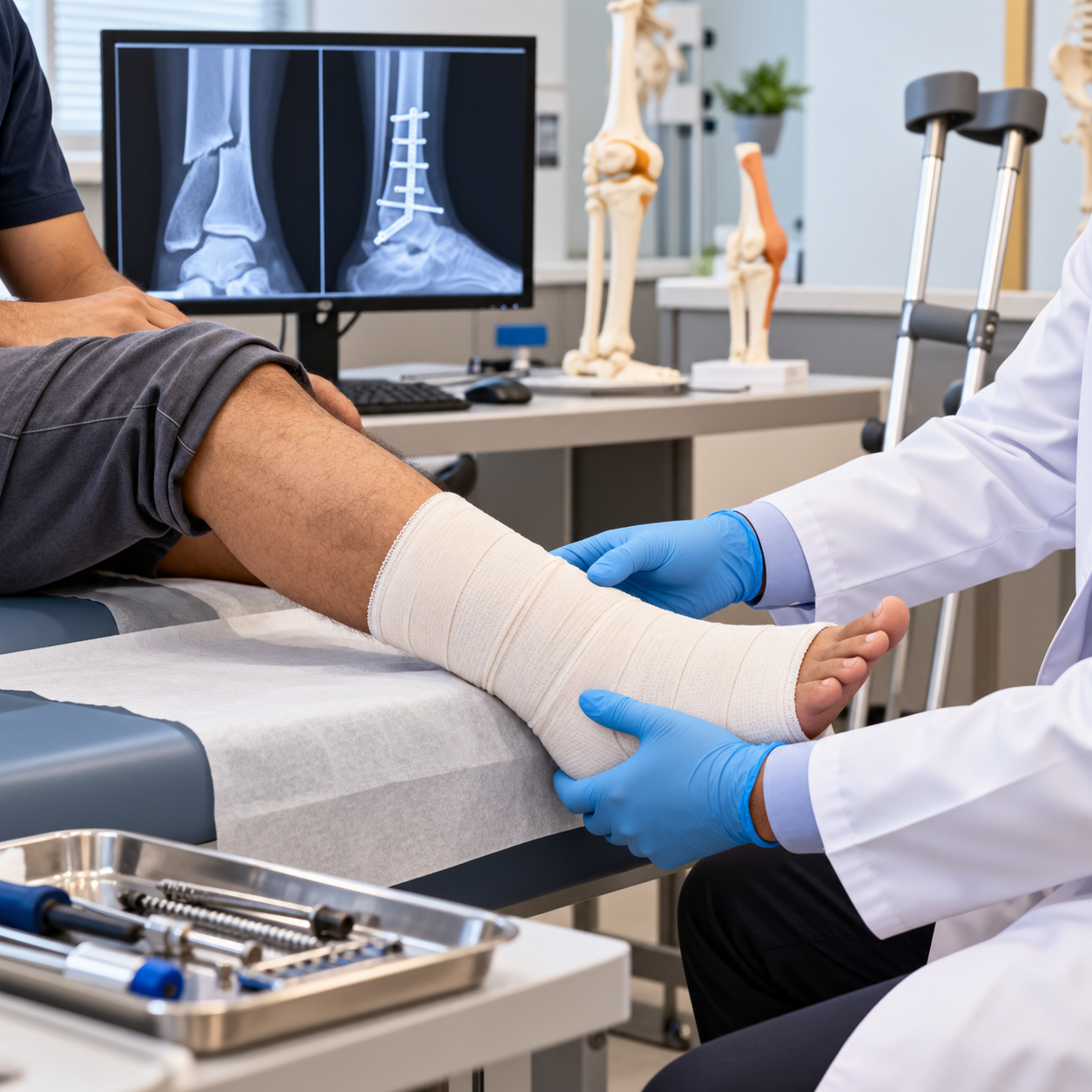
Stable fractures with acceptable alignment may be treated with a cast, splint or brace. Follow-up imaging can confirm whether the position remains satisfactory during healing.
Surgery may be considered when a fracture is:
- Open
- Significantly displaced
- Unstable
- Extending into a joint
- Affecting circulation or nerves
- Associated with multiple injuries
- Unlikely to remain aligned in a cast
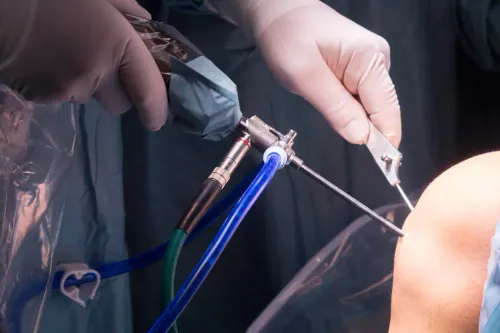
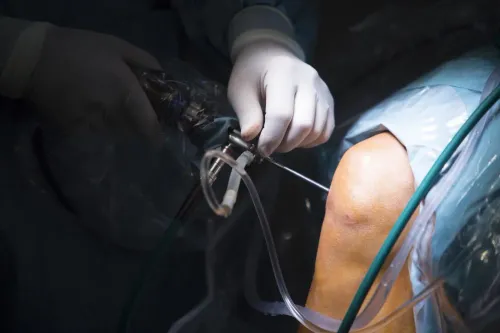
Internal fixation may involve plates, screws, nails or wires. External fixation can be used in selected severe injuries, particularly when soft-tissue damage requires staged management.
What Determines Recovery?
Healing is influenced by the injured bone, fracture pattern, age, smoking, nutrition, blood supply and medical conditions such as diabetes. An X-ray showing early union does not necessarily mean the limb is ready for unrestricted loading.
Recovery may include:
- Protection of the repaired or healing structure
- Swelling and wound management
- Gradual restoration of joint movement
- Progressive weight-bearing
- Strength and balance exercises
- Return to work or activity
Patients should follow specific weight-bearing instructions. Putting full weight on an unstable repair too early can cause loss of alignment, while excessive immobilisation may contribute to stiffness and weakness.
Selecting Trauma Care
Families in Sanghvi and nearby Pune areas should consider access to suitable imaging, operating facilities, anaesthesia, wound care and rehabilitation. Complex trauma is rarely managed by the surgeon alone; coordinated hospital support can be important.
Dr Amit Laturkar Orthopedic Aundh assesses fractures and musculoskeletal injuries, including cases that may require operative stabilisation. Patients should bring all emergency records and imaging when seeking a follow-up opinion.
After initial treatment, increasing pain, numbness, fever, wound discharge or excessive tightness inside a cast should not be ignored. Timely reassessment can identify complications and keep the healing process on the safest available path.
Keywords