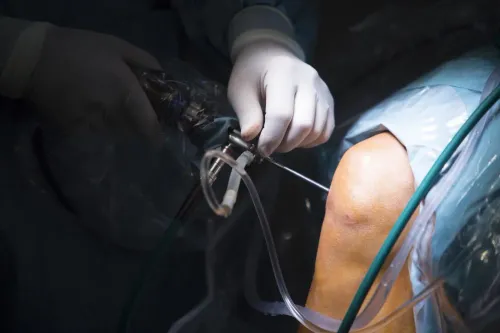
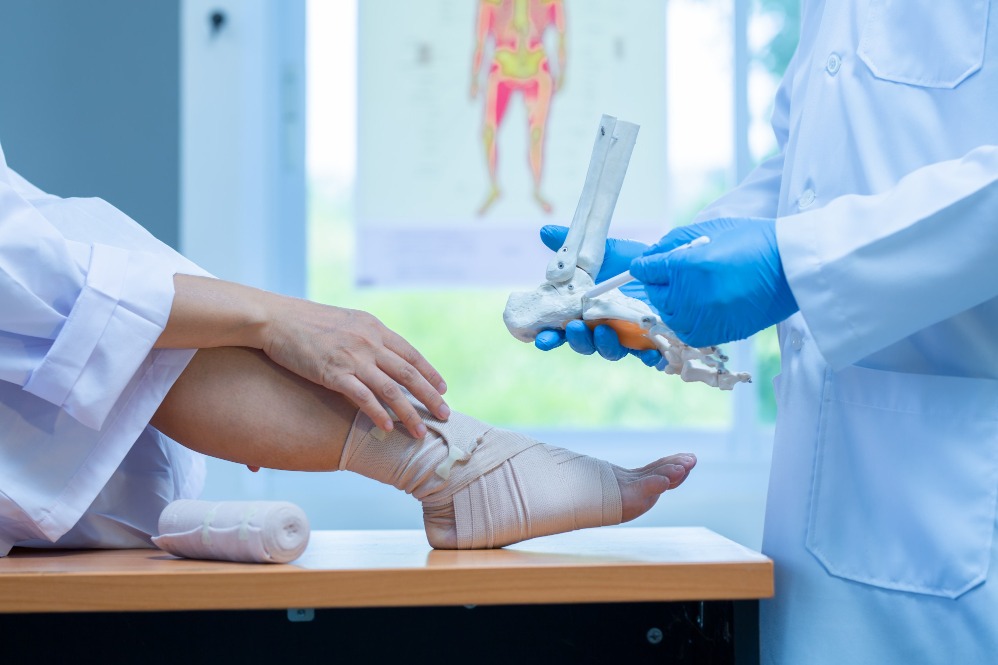
A fracture may need anything from simple protection to urgent surgical stabilisation. When an operation is proposed, selecting a Fracture Surgery Specialist in Pune requires careful evaluation of the injury, the surgeon’s relevant experience and the support available during recovery.
The objective is not merely to “join the bone.” Treatment should restore acceptable alignment, protect blood supply and soft tissues, support healing and preserve as much function as possible.
First Understand Why Surgery Is Recommended
Many fractures heal successfully without an operation. A cast, splint, brace or functional support may be sufficient when the bone position is stable and acceptable.
Surgery may be recommended when:
- The fracture is significantly displaced
- The bone has broken through the skin
- The injury extends into a joint
- Alignment cannot be maintained in a cast
- Blood vessels or nerves are threatened
- Multiple bone fragments create instability
- Early mobilisation is important for the injury pattern
- Non-surgical treatment has failed
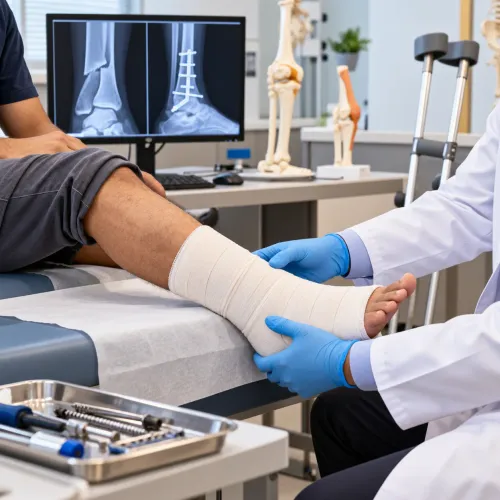
Ask the surgeon to show the fracture on the X-ray or scan and explain what could happen with non-operative treatment.
Match Experience to the Injury
A wrist fracture, ankle fracture, hip fracture and complex pelvic injury involve different anatomy and fixation decisions. Patients should ask whether the specialist regularly treats the relevant body region and fracture pattern.
Useful questions include:
- Which fixation method is proposed?
- Why is it suitable for this fracture?
- Is surgery urgent or can swelling settle first?
- Are there significant skin or soft-tissue concerns?
- When might movement begin?
- How long will weight-bearing be restricted?
- Could the implant require later removal?
- What complications are most relevant?
A clear explanation should acknowledge uncertainty rather than promise a perfect result.
Assess the Treatment Setting
Safe fracture surgery depends on more than the operating surgeon. Hospital capability, imaging, sterile systems, anaesthesia, implant availability and postoperative monitoring all matter.
For complex or open injuries, treatment may also involve plastic surgery, vascular care or other specialists. Rehabilitation services are important because stiffness and weakness can persist even after the bone has united.
Prepare for the Recovery Period
Before discharge, patients and caregivers should understand:
- Wound and cast care
- Prescribed medicines
- Weight-bearing limits
- Use of crutches or a walker
- Exercises allowed at each stage
- Follow-up dates
- Warning signs
- Expected work restrictions
Pune’s commuting distances and seasonal rain can make travel with a cast or walking aid difficult. Planning transport and home support in advance can reduce fall risk and missed appointments.
Smoking can interfere with bone healing. Diabetes and nutritional problems may also affect recovery, so medical optimisation should be discussed.
Recognise Postoperative Warning Signs
Contact the treating team if the wound becomes increasingly red, hot or painful, or if there is discharge or fever. New numbness, a cold extremity, worsening swelling or severe pain inside a cast requires urgent assessment.
Chest pain, sudden breathlessness or coughing blood may indicate a serious complication and needs emergency care.
Compare Quality, Not Just Price
Quotations may differ because of the implant, hospital category, room type, anaesthesia, investigations and expected length of stay. Patients should ask for an itemised estimate and clarify what is excluded.
The lowest estimate may not represent the most suitable plan, while a higher-cost implant is not automatically better for every injury. Clinical appropriateness and reliable follow-up should guide the decision.
Dr Amit Laturkar Orthopedic Aundh provides fracture assessment and surgical planning for patients across Pune, Maharashtra. A consultation can help families understand whether surgery is required, how soon it should be performed and what recovery is likely to involve.
Choosing a specialist becomes easier when the recommendation is specific, the risks are openly discussed and the rehabilitation plan begins before the operation rather than after it.
Keywords