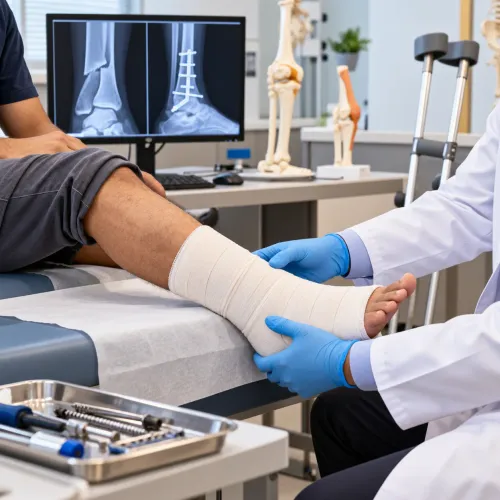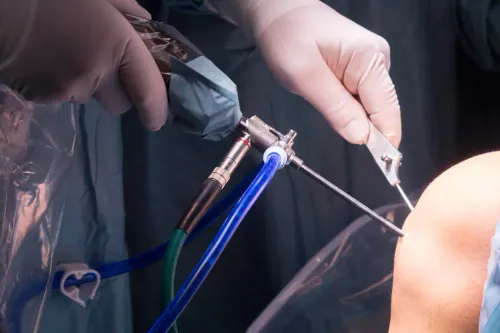
Sports injuries do not affect only professional athletes. Runners, gym members, school players and weekend cricket or football participants can all develop ligament, tendon, muscle and joint problems. Effective Sports Injury Orthopedic Care in Aundh should address the immediate injury while also preparing the person to return safely to the demands of the activity.
A reduction in pain is encouraging, but it is not always proof that injured tissue has healed or that the joint is ready for full-speed movement.
Begin With the Mechanism of Injury
How the injury occurred often provides important diagnostic clues. A twisting knee, ankle inversion, direct impact or sudden pulling sensation may affect different structures.
An orthopedic assessment generally considers:
- The movement that caused the injury
- Whether a pop or snap was felt
- Immediate or delayed swelling
- Ability to continue playing
- Joint instability
- Loss of movement
- Previous injuries
- Training changes
- Footwear and playing surface
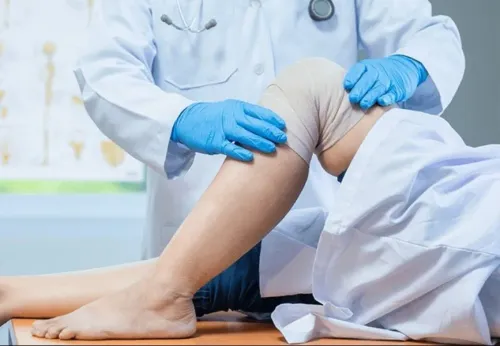
This history is combined with physical examination. X-rays help assess fractures, while ultrasound or MRI may be considered when soft-tissue injury is suspected and the result would influence management.
Know When Urgent Care Is Needed
Stop activity and obtain prompt medical assessment if there is visible deformity, inability to bear weight, severe swelling, a locked joint, loss of sensation or an open wound.
A suspected dislocation should not be repeatedly manipulated outside an appropriate medical setting. Neck pain, confusion, vomiting or loss of consciousness following a collision also requires urgent evaluation.
Treatment Should Match the Tissue
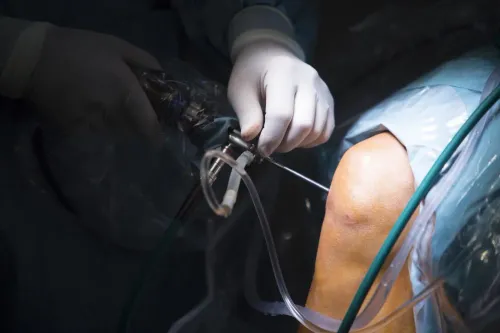
Not every injury needs an operation. Many sprains, tendon problems and muscle injuries respond to structured non-operative care. The plan may include temporary protection, swelling management, progressive loading, physiotherapy and correction of contributing factors.
Surgery may be considered for selected fractures, unstable joints, complete tendon ruptures, recurrent dislocations or ligament injuries that substantially affect function. Even then, surgery is one phase of treatment; rehabilitation determines how strength, control and confidence are rebuilt.
Return-to-Sport Readiness Is Multi-Dimensional
Returning simply because a fixed number of weeks has passed can be unsafe. A more complete decision examines whether the athlete can tolerate the movements and loads required by the sport.
Readiness may include:
- Minimal or controlled pain
- No problematic swelling
- Sufficient joint movement
- Strength approaching the uninjured side
- Good balance and landing control
- Ability to accelerate and decelerate
- Sport-specific agility
- Confidence during demanding movements
- Medical and physiotherapy clearance
A bowler, distance runner and badminton player place very different demands on the body. Return testing should reflect those differences.
Common Reasons for Reinjury
Reinjury risk may rise when athletes:
- Resume competition before completing rehabilitation
- Skip strength and balance work
- Increase training volume suddenly
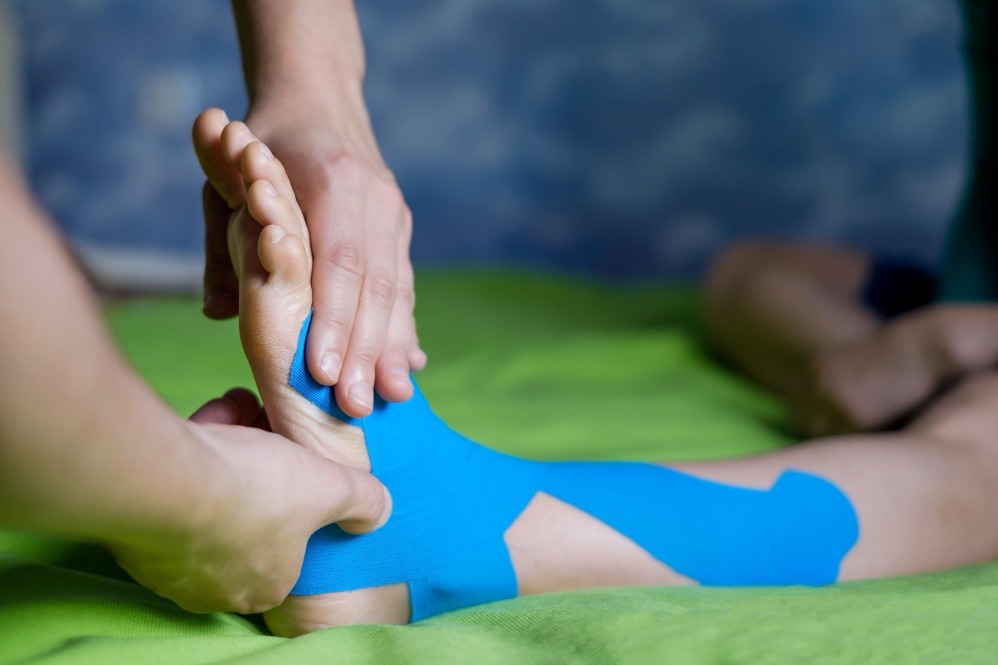
- Depend only on braces or taping
- Ignore poor movement technique
- Continue despite recurrent swelling
- Neglect sleep and recovery
- Return directly from rest to maximum intensity
A gradual progression from controlled exercise to practice and then competition is usually more sensible than an abrupt return.
Building a Practical Care Plan
Patients seeking care in Aundh should explain their level of participation and the activities they hope to resume. The treatment objective for casual walking may differ from preparation for competitive football, marathon running or heavy gym training.
Dr Amit Laturkar Orthopedic Aundh evaluates acute and overuse injuries involving joints, bones and soft tissues. The care plan may combine imaging, protection, medication, physiotherapy, surgical assessment and staged return-to-sport guidance depending on the condition.
The aim of sports injury treatment is not merely to make the injured area feel better at rest. It is to restore the strength, movement and control required for the individual’s activity while reducing avoidable reinjury risk.
Keywords