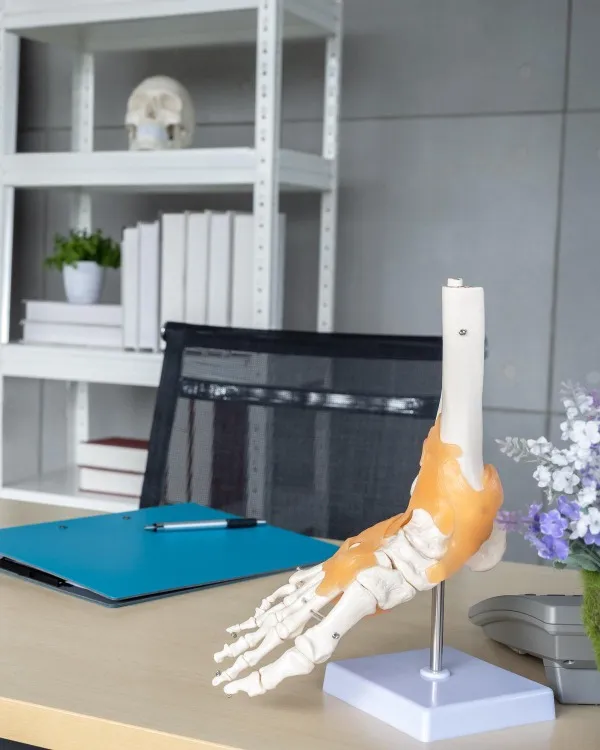
Foot and ankle pain can originate from bones, joints, ligaments, tendons, nerves or the way weight passes through the limb. Because several conditions produce similar symptoms, choosing a Foot and Ankle Orthopedic Specialist in Pune involves more than finding treatment for a painful area. Patients need an assessment that identifies the structure involved and the reason it has become symptomatic.
The right specialist should evaluate both local symptoms and how the entire lower limb functions during standing and walking.
When Specialist Evaluation Is Sensible
Minor strains may improve with protection and gradual activity. An assessment becomes more important when there is:
- Inability to bear weight
- Persistent swelling
- Recurrent ankle twisting
- Pain lasting several weeks
- Visible deformity
- Numbness or burning
- A wound that is not healing
- Symptoms following a significant injury
- Difficulty walking normally
- Pain that repeatedly returns during sport
People with diabetes should seek timely medical advice for foot wounds, colour changes or swelling because reduced sensation and impaired healing can make apparently small problems more serious.
Look for Diagnosis-Specific Experience
“Foot pain” is not a diagnosis. Common problems include ankle fractures, ligament injuries, Achilles-tendon disorders, plantar heel pain, bunions, flatfoot deformity, arthritis and sports-related stress injuries.
During provider selection, ask whether the specialist regularly manages conditions similar to yours. Relevant experience should cover conservative care as well as surgery. A balanced practitioner should be able to explain why an operation is or is not necessary.
Expect a Complete Examination
A useful assessment may include:
- Location and pattern of pain
- Foot alignment
- Ankle stability
- Joint movement
- Tendon strength
- Skin condition
- Nerve and circulation checks
- Standing posture
- Walking pattern
- Footwear and activity demands
Imaging should answer a clinical question. Weight-bearing X-rays may be more informative for certain alignment and arthritis problems, while ultrasound, MRI or CT is reserved for particular soft-tissue or bone concerns.
Evaluate the Treatment Range
Many foot and ankle conditions improve without surgery. Depending on the diagnosis, treatment may involve activity modification, footwear changes, physiotherapy, bracing, orthoses or appropriate medication.
When surgery is recommended, the explanation should cover:
- The structure being treated
- The surgical objective
- Available alternatives
- Weight-bearing restrictions
- Need for a cast, boot or crutches
- Expected rehabilitation
- Potential complications
- Likelihood of returning to work or sport
Recovery planning is especially important in Pune, where commuting, stair access and monsoon conditions can affect safe mobility while using walking aids.
Avoid Common Selection Mistakes
Patients sometimes choose treatment solely because it promises immediate pain relief. This can overlook the underlying cause and delay appropriate care.
Other mistakes include:
- Treating scan reports without correlating symptoms
- Ignoring recurrent ankle instability
- Returning to running before strength and balance recover
- Wearing unsupported footwear after injury
- Assuming every heel pain problem has the same cause
- Accepting surgery without discussing non-operative options
- Underestimating postoperative mobility restrictions
A careful provider will set realistic expectations rather than guarantee complete or permanent relief.
What to Bring to the Appointment
Bring previous X-rays or scan reports, a list of medicines and details of earlier treatments. If symptoms occur only in particular footwear, during running or after a certain movement, explain that pattern clearly. Athletes may also find it useful to describe recent changes in training volume or surface.
Dr Amit Laturkar Orthopedic Aundh provides evaluation for foot and ankle conditions affecting patients across Pune, Maharashtra. The consultation can distinguish injuries needing urgent treatment from problems suitable for planned rehabilitation or elective surgical assessment.
A good specialist does more than name the painful structure. The goal is to understand why it is overloaded or injured, protect it appropriately and create a treatment plan that supports safe, sustainable movement.
Keywords