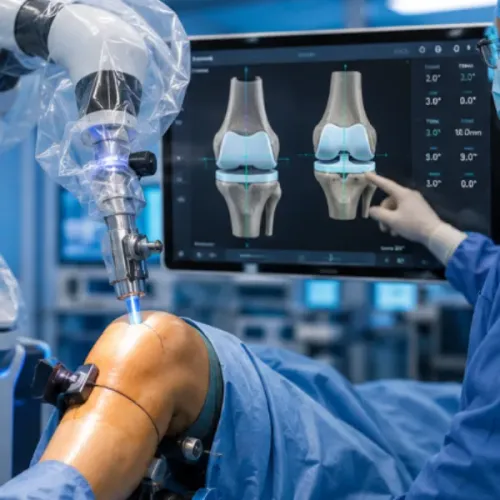
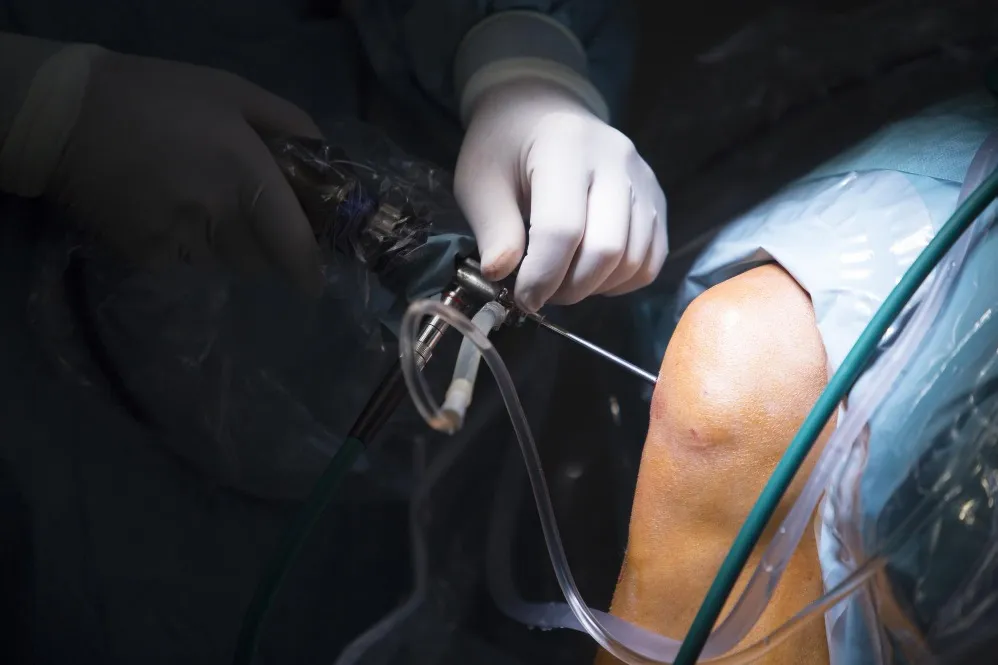
A painful knee does not always require joint replacement. Some conditions affect the meniscus, cartilage or ligaments rather than causing widespread arthritis. In selected cases, Arthroscopic Knee Surgery in Aundh may be used to examine and treat problems through small incisions.
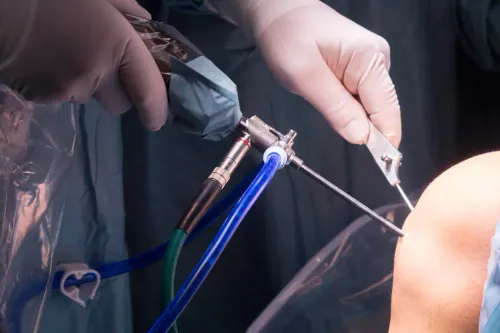
Arthroscopy is often called keyhole surgery. A small camera is introduced into the joint, allowing the surgeon to inspect internal structures on a monitor. Fine instruments can then be used through separate openings when treatment is required.
Problems Commonly Assessed Arthroscopically
Knee arthroscopy may be considered for selected conditions such as:
- Certain meniscal tears
- Loose fragments of cartilage or bone
- Anterior cruciate ligament reconstruction
- Selected cartilage injuries
- Inflamed joint lining
- Some cases of infection
- Mechanical locking caused by an internal obstruction
The procedure is not a universal solution for knee pain. Symptoms must be matched with examination findings and imaging before surgery is recommended.
When Arthroscopy May Not Be Helpful
One common misconception is that arthroscopy can wash away or reverse advanced osteoarthritis. Degenerative joint pain does not necessarily improve simply because a camera is placed inside the knee.
Patients whose main problem is widespread cartilage loss may be better served by exercise-based rehabilitation, weight management, medication, injections in selected situations or arthroplasty assessment. The correct choice depends on the diagnosis rather than the size of the surgical incision.
An MRI finding also does not automatically justify an operation. Meniscal changes are sometimes seen in people who have no related symptoms. The surgeon must determine whether the reported abnormality explains the pain, swelling or locking.
What Patients Should Clarify Before Proceeding
Before consenting to arthroscopic treatment, ask:
- What exact structure is injured?
- Does the examination agree with the scan?
- What happens if the condition is treated without surgery?
- Will tissue be repaired, reconstructed or removed?
- How long will walking support be needed?
- When can work, driving and sport resume?
- What physiotherapy will be required?
- What result is realistically expected?
These questions are particularly important for athletes and working adults who may be planning their return around a fixed date.
Recovery Varies With the Procedure
A diagnostic arthroscopy or limited meniscal procedure is different from ligament reconstruction or meniscal repair. Weight-bearing restrictions, bracing and rehabilitation can therefore vary considerably.
The knee may initially feel swollen, stiff or uncomfortable. Patients generally receive instructions about wound care, exercise, pain control and warning signs. Recovery after arthroscopy can range from weeks to several months depending on what was performed and the person’s health, according to the NHS arthroscopy guide.
Trying to accelerate recovery by ignoring movement or loading restrictions can interfere with healing. Conversely, unnecessary inactivity may contribute to stiffness and weakness. The rehabilitation plan should match the repaired tissue.
Signs That Need Prompt Attention
After surgery, the treating team should be contacted if there is increasing redness, wound discharge, fever, worsening swelling or pain that is not responding as expected. Calf swelling, chest pain or sudden breathlessness requires urgent medical evaluation because these can indicate a blood clot or another serious complication.
A Diagnosis-Led Approach in Aundh
People in Aundh and surrounding Pune areas may seek arthroscopy after a sports injury, twisting episode or persistent mechanical knee symptoms. Dr Amit Laturkar Orthopedic Aundh can assess whether the problem is likely to respond to rehabilitation, requires further imaging or has a clear surgical indication.
The value of knee arthroscopy depends on treating the right lesion in the right patient. Careful selection, a well-explained procedure and condition-specific rehabilitation are more meaningful than describing every small-incision operation as a quick fix.
Keywords