Shoulder problems can make ordinary tasks reaching a shelf, dressing, driving or sleeping on one side painful and frustrating. When structured rehabilitation and other appropriate treatments do not restore function, Arthroscopic Shoulder Surgery in Sanghvi may be considered for selected tendon, labral or joint conditions.
Preparation should begin before the operation. Understanding the diagnosis, arranging help and planning rehabilitation can make the early postoperative period easier to manage.
Confirm What the Operation Will Address
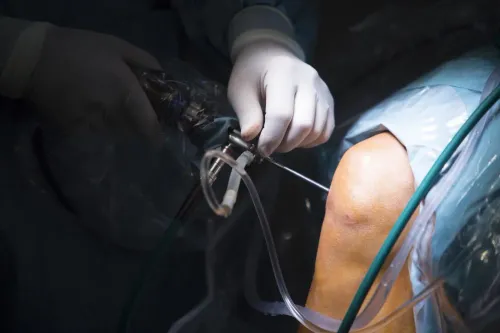
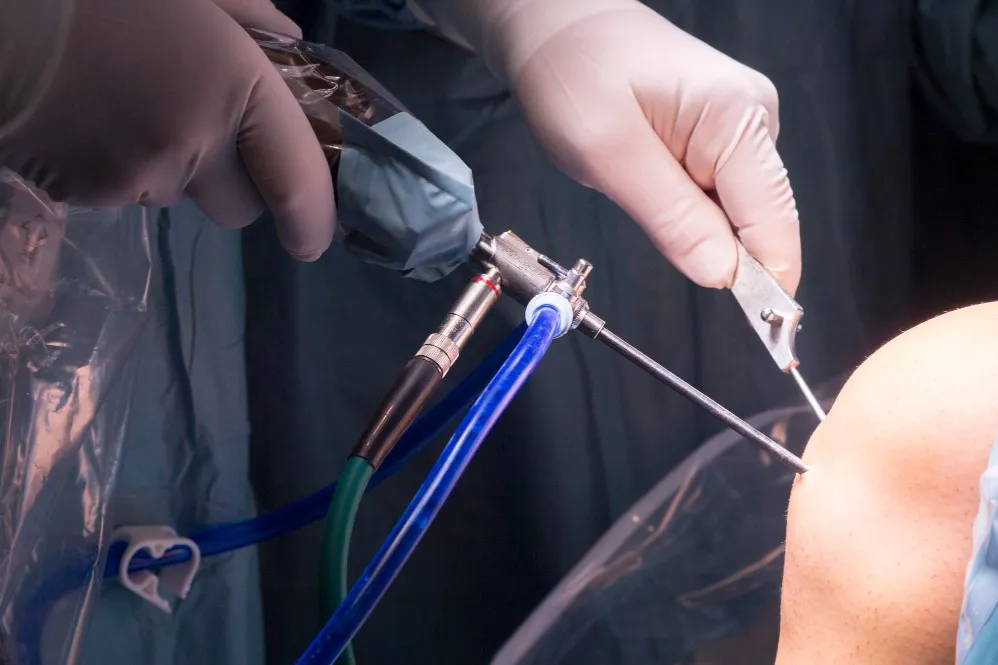
Shoulder arthroscopy uses a camera and fine instruments inserted through small incisions. The term describes the surgical approach, not one particular operation.
Depending on the diagnosis, the surgeon may perform:
- Rotator-cuff repair
- Labral repair
- Treatment for recurrent instability
- Removal of loose bodies
- Management of selected impingement-related problems
- Treatment of inflamed or damaged tissue
- Assessment of cartilage or tendon injury
A patient should know exactly which structure is affected and what the surgeon plans to do. A repair that must heal requires different restrictions from a simple debridement procedure.
Complete the Medical Assessment
Before surgery, disclose all existing illnesses, allergies, previous operations and medicines. Blood-thinning medication, diabetes treatment and certain supplements may require specific instructions, but patients should never stop prescribed medicine without guidance.
Preoperative evaluation may involve blood tests, imaging, cardiac assessment or anaesthesia review depending on age, health and procedure complexity.
Inform the treating team if you develop fever, a skin infection, respiratory illness or another new health concern close to the surgical date.
Prepare for One-Handed Living
Many patients underestimate how much they use both arms during routine activities. A sling may be required after surgery, particularly following a tendon or labral repair.
Before the procedure:
- Place everyday items between waist and shoulder height
- Choose loose, front-opening clothing
- Prepare simple meals
- Arrange assistance with bathing and household work
- Plan transport for appointments
- Create a comfortable sleeping position
- Keep prescribed medicines and emergency numbers accessible
Patients living alone in Sanghvi or elsewhere in Pune should discuss how much assistance they may need during the initial days.
Understand the Rehabilitation Timeline
Pain reduction is only one part of recovery. The repaired tissue must be protected while stiffness and muscle weakness are gradually addressed.
Rehabilitation may progress through several stages:
- Protection and pain control
- Guided passive movement
- Gradual active movement
- Strengthening
- Work-specific or sport-specific training
The timing varies according to the procedure. Beginning strengthening too early can stress a repair, while remaining immobilised beyond instructions can contribute to stiffness.
Return to desk work may occur sooner than return to lifting, overhead labour or contact sport. Patients should ask for guidance based on their actual job rather than relying on a generic recovery estimate.
Know the Possible Risks
Arthroscopic shoulder surgery uses small incisions, but it is still surgery. Potential complications include infection, stiffness, blood clots, nerve or blood-vessel injury, persistent pain and failure of tissue to heal fully.
Seek advice if pain suddenly worsens, the hand becomes unusually cold or numb, the wound begins discharging or fever develops. Chest pain and unexplained breathlessness require emergency attention.
Use the Consultation to Plan Ahead
When meeting an orthopaedic surgeon, ask how long the sling will be needed, when physiotherapy will start and which movements must be avoided. It is also helpful to discuss sleeping, bathing, driving and returning to work.
Dr Amit Laturkar Orthopedic Aundh evaluates shoulder injuries for patients from Sanghvi and neighbouring areas. When surgery is appropriate, the plan should connect the imaging findings with the patient’s symptoms, functional demands and rehabilitation capacity.
Good preparation cannot eliminate every postoperative challenge. It can, however, reduce uncertainty and help patients protect the repair while working steadily toward comfortable, useful shoulder movement.
Keywords