Hip arthritis often affects more than the hip itself. Pain may be felt in the groin, thigh, buttock or even around the knee. As movement becomes restricted, putting on footwear, entering a car and walking through the neighbourhood can become unexpectedly difficult.
A consultation with a Hip Arthroplasty Specialist in Aundh helps establish whether symptoms originate in the hip and whether replacement surgery is necessary. The assessment is particularly important because back conditions, muscle problems and other disorders can sometimes produce similar discomfort.
How Hip Joint Damage Commonly Presents
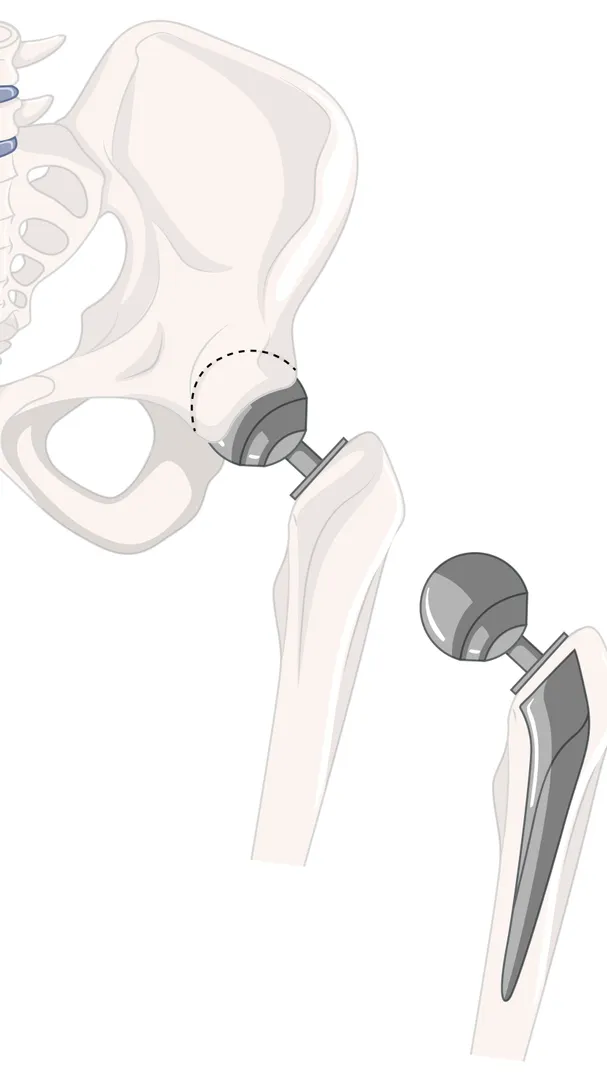
The hip is a ball-and-socket joint. Healthy cartilage allows its surfaces to move smoothly, while advanced cartilage loss can create pain and stiffness during weight-bearing activities.
Patients may notice:
- Groin pain while walking
- Difficulty bending to wear socks or shoes
- Stiffness after prolonged sitting
- Reduced walking distance
- Limping
- Trouble climbing stairs
- Pain when turning in bed
- Increasing dependence on pain medicines
Symptoms may progress gradually, making it easy to adapt to limitations without recognising how much function has been lost.
What the Specialist Will Evaluate
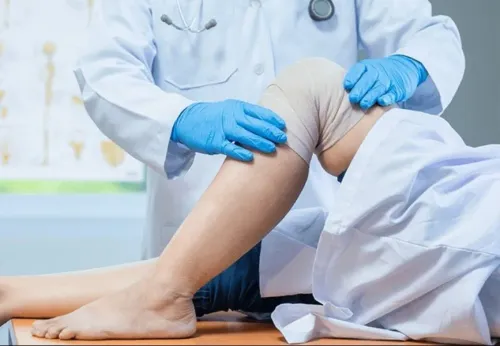
The first visit involves more than reviewing an X-ray. The specialist asks when the pain started, where it is located and how it affects work, sleep and routine activities. Previous injuries, childhood hip conditions, steroid use and existing medical problems may also be relevant.
During the physical examination, the doctor may assess:
- Hip range of motion
- Leg length
- Walking pattern
- Muscle strength
- Areas of tenderness
- Lower-back movement
- Nerve function in the leg
Weight-bearing X-rays can show joint-space narrowing, bone changes and deformity. An MRI or other investigation is needed only in selected circumstances.
Treatment Usually Begins Conservatively
Not everyone with hip arthritis needs immediate surgery. Depending on the diagnosis and severity, initial management may include activity modification, supervised exercises, weight management, walking support and carefully selected medication.
Treatment should be individualised. Exercises that help one hip condition can aggravate another, while repeated unsupervised painkiller use may create avoidable health risks.
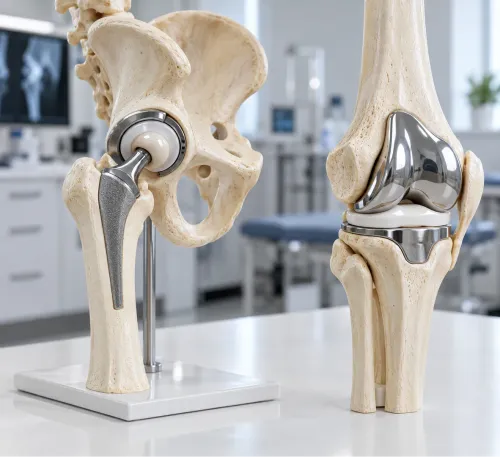
Hip replacement is generally discussed when joint damage is significant and conservative measures no longer provide acceptable relief. The operation replaces the damaged ball and socket with artificial components.
Questions Worth Asking Before Surgery
A productive consultation allows patients and family members to understand both benefits and limitations. Useful questions include:
- Is the hip definitely the main source of my pain?
- Have appropriate non-surgical treatments been attempted?
- What type of replacement is suitable for me?
- How will my other medical conditions affect surgery?
- When might I walk after the operation?
- What assistance will I need at home?
- Which movements or activities will be restricted?
- What complications should I understand?
Hip replacement is widely performed, but it remains major surgery. Possible risks include infection, blood clots, dislocation, nerve or tissue injury and leg-length difference. These risks vary between individuals and should be explained during informed consent. The NHS overview of hip replacement complications provides additional general patient information.
Preparing the Home Environment
Patients in Aundh and nearby Pune neighbourhoods should consider their home layout before surgery. Stairs, low seating, loose rugs and inaccessible bathrooms may affect early recovery.
Practical preparations can include arranging reliable assistance, placing frequently used items within easy reach and following the surgeon’s advice about seating, walking aids and bathroom safety.
At Dr Amit Laturkar Orthopedic Aundh, the consultation process can help patients understand whether hip replacement fits their diagnosis, health profile and mobility goals. A clear decision should emerge from examination and discussion not pain severity or imaging alone.
Keywords