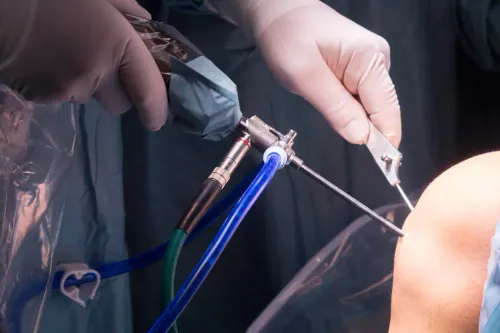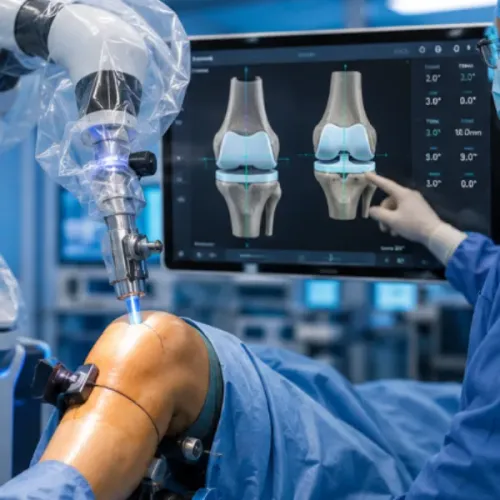
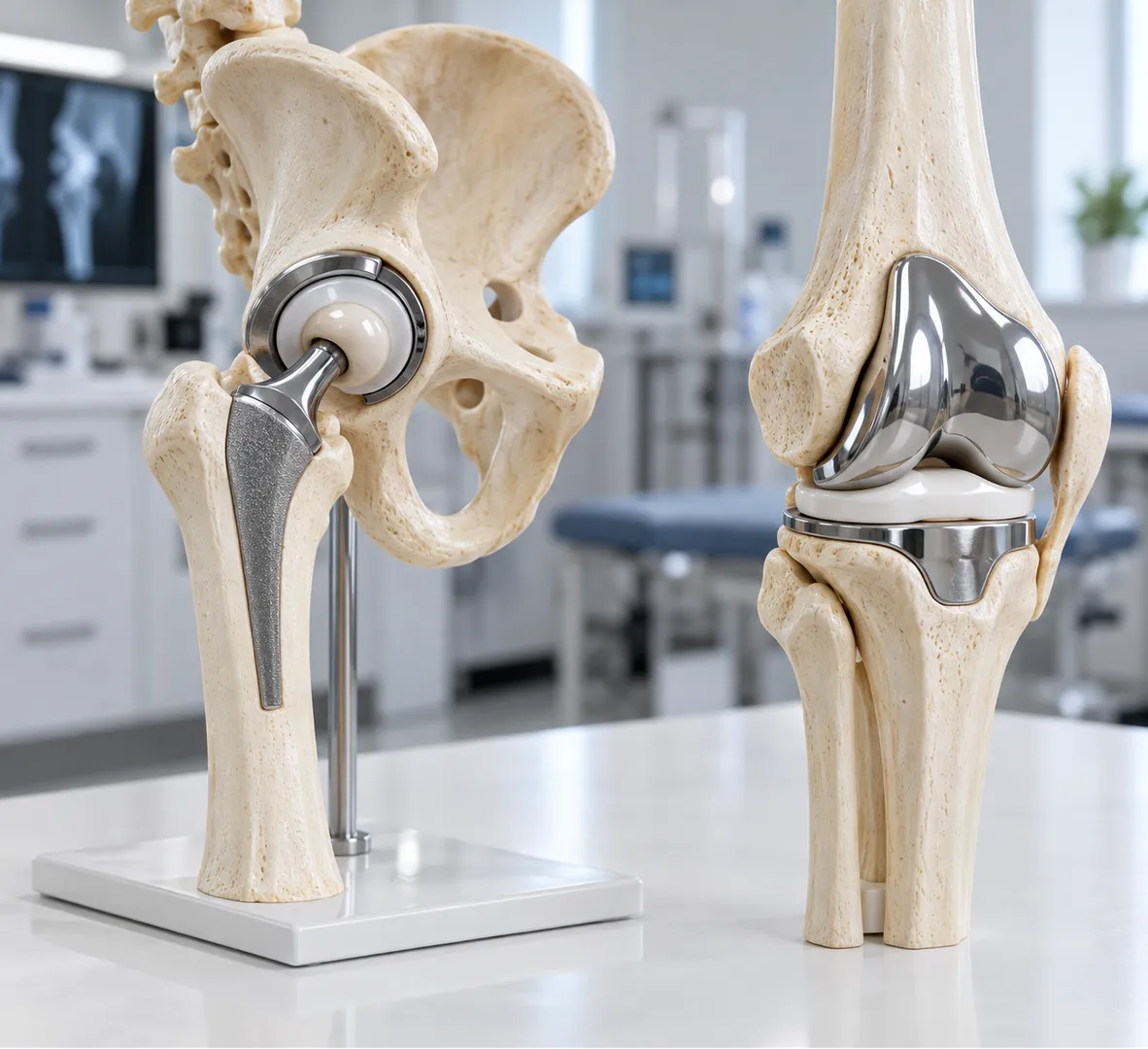
Knee replacement and hip replacement are often grouped under joint-replacement surgery, but they address different anatomy and create different recovery challenges. Patients considering Knee and Hip Arthroplasty in Pune benefit from understanding these distinctions before forming expectations about hospitalisation, mobility or rehabilitation.
Neither procedure should be selected purely because pain has lasted for a long time. The diagnosis, degree of joint damage and effect on daily function must first be established.
How Knee Arthroplasty Works
The knee is a complex joint involving the lower end of the thigh bone, the upper end of the shin bone and the kneecap. In knee arthroplasty, damaged surfaces are reshaped and covered with metal and plastic components.
Depending on the distribution of arthritis, a patient may be considered for total or partial replacement. Total replacement addresses broader joint damage, while partial replacement is reserved for selected cases involving a limited compartment.
Typical reasons for evaluation include:
- Severe osteoarthritis
- Inflammatory arthritis
- Painful deformity
- Post-traumatic joint damage
- Reduced mobility despite conservative treatment
Knee rehabilitation places considerable emphasis on regaining bending, straightening and thigh-muscle control.
How Hip Arthroplasty Differs
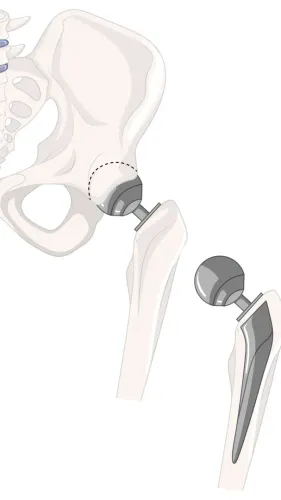
The hip is a ball-and-socket joint. During total hip arthroplasty, the damaged femoral head is replaced, and the socket is resurfaced with an artificial component.
People with advanced hip disease commonly experience groin pain, stiffness, limping and difficulty bending. The operation may be considered for osteoarthritis, osteonecrosis, selected fractures or other severe joint disorders.
Early rehabilitation focuses on safe walking, transfers, muscle activation and protection of the healing tissues. Movement precautions vary according to the surgical approach and individual plan.
What Both Procedures Have in Common
Both operations require detailed assessment and informed consent. The surgeon should explain reasonable alternatives, anaesthesia, implant planning, hospital arrangements, pain management and potential complications.
Possible risks include infection, blood clots, stiffness, implant-related problems and injury to nearby structures. Hip replacement also carries a risk of dislocation, while knee replacement may leave some patients with persistent stiffness or discomfort.
Preparation is thereforeimportant. AAOS guidance on joint-replacement preparation recommends learning about the procedure and planning for the physical and practical demands of recovery.
Why Individual Assessment Matters
Two people with similar X-rays may make different treatment decisions. One may remain reasonably active with conservative management, while the other may experience severe night pain and loss of independence.
A complete decision considers:
- Severity and frequency of symptoms
- Walking and stair-climbing ability
- Response to non-surgical treatment
- Joint alignment and stability
- General medical fitness
- Work and caregiving responsibilities
- Rehabilitation commitment
- Personal expectations
Dr Amit Laturkar Orthopedic Aundh offers assessment for patients exploring knee or hip arthroplasty in Pune, Maharashtra. The consultation can clarify which joint is responsible for the symptoms, whether surgery is presently indicated and what preparation may be required.
Joint replacement is intended to improve pain and function, but it does not create a biologically normal joint. Realistic expectations and a structured recovery plan are therefore as important as choosing the procedure itself.
Keywords