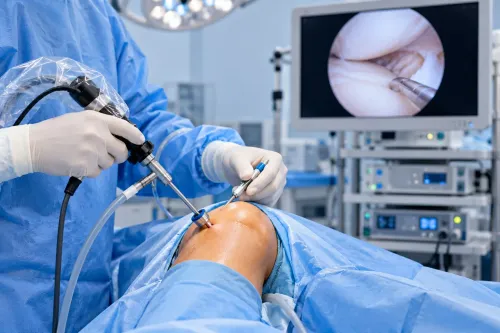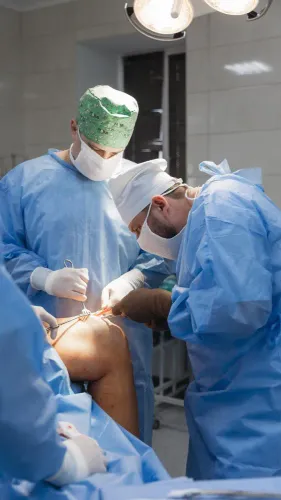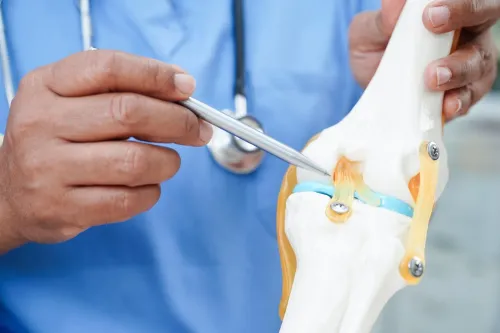
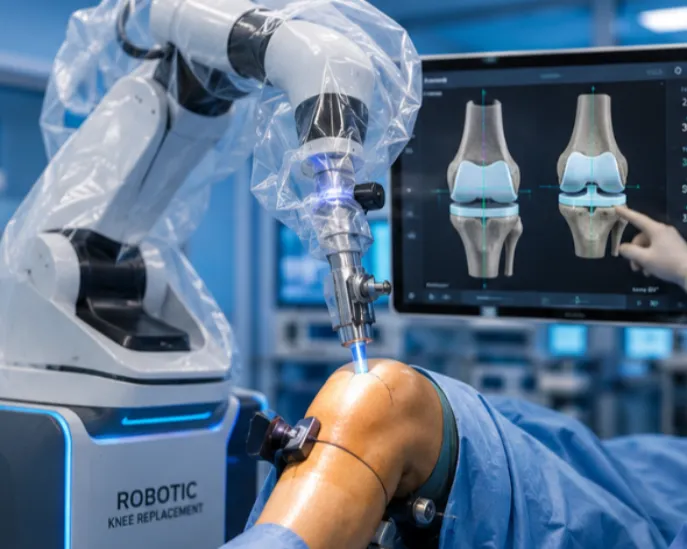
Robotic-assisted knee replacement is often presented as a completely automated operation. In reality, the surgeon remains responsible for planning and performing the procedure. The robotic system functions as an assisting tool rather than an independent decision-maker.
Before choosing a Robotic Knee Replacement Surgeon in Pune, patients should understand what the technology does, where it may help, and what it cannot guarantee.
How Robotic Assistance Works
The exact process varies by system. Some platforms use a preoperative CT scan, while others build a digital model during surgery.
The technology may help the surgeon:
- Map the patient’s knee anatomy
- Plan bone preparation
- Assess alignment
- Evaluate ligament balance
- Position components within the planned boundaries
- Receive real-time measurements during surgery
The surgeon reviews the information, makes clinical decisions, and controls the instruments.
Potential Advantages
Robotic assistance may support accurate execution of an individualized plan. It can provide detailed information about anatomy and soft-tissue balance and may help limit bone preparation to defined areas.
Possible advantages include:
- Greater planning detail
- Repeatable measurements
- Assistance with component positioning
- Intraoperative assessment of alignment
- Data to support ligament-balancing decisions
These potential benefits do not mean that every patient will notice a dramatic difference in recovery or long-term function.
What Robotics Cannot Promise
Robotic technology cannot eliminate the standard risks of knee replacement. Infection, blood clots, stiffness, persistent discomfort, fracture, wound problems, and implant-related complications remain possible.
It also cannot compensate for:
- Inappropriate patient selection
- Poor medical preparation
- Inadequate rehabilitation
- Unrealistic expectations
- Lack of surgical experience
- Failure to follow postoperative precautions
No responsible provider should promise guaranteed results, painless surgery, or permanent freedom from future procedures.
Is Every Patient a Candidate?
Suitability depends on the condition of the knee, deformity, previous operations, implant needs, health status, and the robotic platform available. Some complex cases may benefit from detailed planning, while others can be treated effectively with conventional techniques.
Patients should ask whether robotics adds meaningful value in their specific situation rather than choosing it solely because it is newer.
Surgeon Experience Still Matters
A robotic platform supplies information and constraints, but the surgeon must interpret the data, manage soft tissues, respond to unexpected findings, and handle complications.
Ask the surgeon:
- Which robotic system is used?
- How does it influence my surgical plan?
- How often do you use it?
- What happens if the system cannot be used during surgery?
- Are the implants restricted to a particular brand?
- What additional costs are involved?
- Would conventional replacement also be appropriate?
The answers should be clear and free from exaggerated claims.
Recovery Still Requires Active Participation
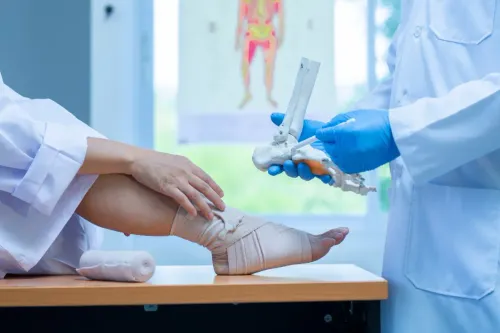
Rehabilitation after robotic-assisted surgery generally includes pain control, early movement, walking support, physiotherapy, and progressive strengthening. The technology does not remove the need for exercise or follow-up.
Recovery may be influenced by:
- Preoperative strength
- Age and general health
- Severity of deformity
- Pain tolerance
- Medical conditions
- Consistency with physiotherapy
- Home support
Patients in Pune should plan transport, household assistance, and rehabilitation access before admission.
Making an Informed Choice
Dr Amit Laturkar Orthopedic Aundh evaluates patients with knee arthritis and discusses conventional or technology-assisted replacement according to clinical suitability. The decision should begin with whether replacement itself is necessary, followed by which method best fits the patient.
Robotic assistance is a surgical tool with useful planning and execution capabilities. Its value is greatest when combined with experienced judgement, appropriate indications, safe hospital practices, and structured rehabilitation.
Patients should choose a surgeon and care pathway first, then decide how technology fits into that pathway.
Keywords