Patients often focus on the day of surgery, but successful orthopedic care begins well before admission and continues long after discharge. An Orthopedic Surgery Specialist in Sanghvi should connect diagnosis, procedure selection, medical preparation, pain management and rehabilitation into one coordinated plan.
This wider approach is relevant whether the condition involves a fracture, sports injury, arthroscopy or joint replacement.
The First Step Is Diagnostic Accuracy
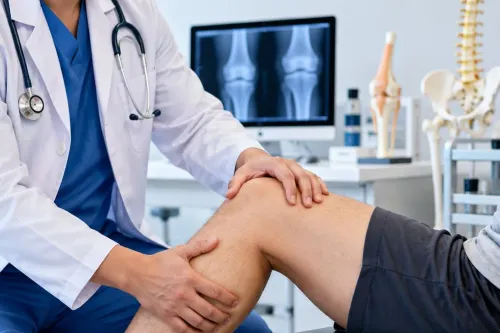
Surgery should address a clearly identified problem. The specialist begins by understanding the patient’s symptoms, previous treatment, activity level and health history.
The physical examination may evaluate:
- Joint movement
- Strength
- Stability
- Limb alignment
- Walking pattern
- Nerve function
- Circulation
- Tenderness and swelling
- Functional limitations
X-rays, MRI, CT or blood investigations may be requested when their findings can influence treatment. A scan abnormality by itself is not always an indication for an operation.
Non-Surgical Options Still Matter
A surgical specialist should be able to explain conservative treatment as clearly as operative treatment. Depending on the diagnosis, reasonable options may include physiotherapy, temporary bracing, activity modification, weight management or medication.
Surgery becomes relevant when there is a clear structural indication, unacceptable loss of function, instability, progressive damage or inadequate improvement with appropriate non-operative care.
In emergency trauma, the decision may need to be made quickly. For elective conditions, patients generally have more time to understand alternatives and prepare.
Preoperative Readiness Affects Safety
Before elective surgery, medical conditions should be reviewed and optimised where possible. This may include diabetes control, blood-pressure management, anaemia evaluation, infection screening and anaesthesia assessment.
Patients should provide a complete medicine list, including supplements. Instructions about blood thinners and fasting must come from the treating team; prescribed medication should not be stopped independently.
Smoking cessation, nutrition and preoperative exercises may be discussed because they can affect healing and recovery.
The Procedure Is Only One Part of the Plan
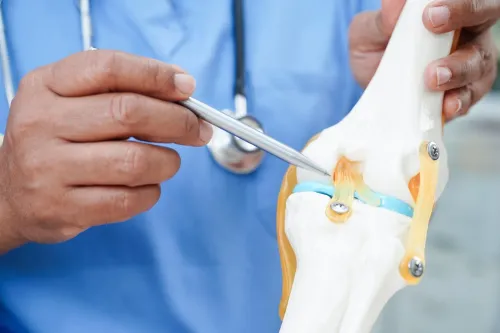
A complete surgical discussion should cover:
- The objective of the operation
- Technique and implant, where relevant
- Anaesthesia
- Expected hospital stay
- Pain-control strategy
- Potential complications
- Wound care
- Mobility restrictions
- Physiotherapy
- Follow-up schedule
Patients should also know which symptoms require routine advice and which demand urgent care.
Increasing wound redness, discharge, fever, new numbness or unexpectedly severe pain should be reported. Chest pain or sudden breathlessness requires emergency evaluation.
Rehabilitation Must Fit the Surgery
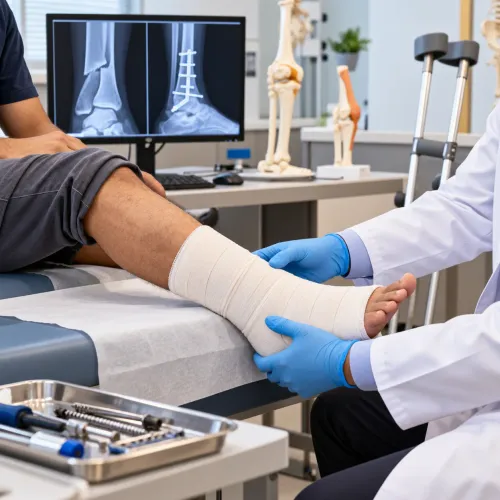
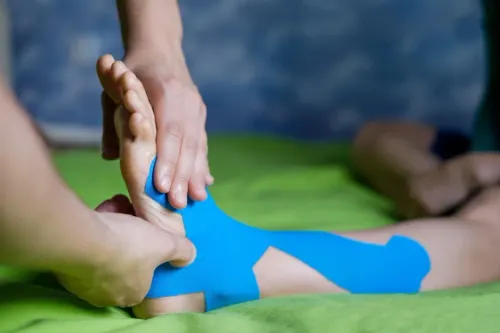
There is no universal orthopedic rehabilitation programme. A repaired tendon may require protection, while a replaced joint may benefit from early guided mobility. A stable fracture and an unstable fracture can have very different weight-bearing rules.
The programme should progress according to tissue healing and functional milestones. Returning to work depends not only on pain but also on commuting, lifting, standing and workplace safety demands.
For patients travelling between Sanghvi and other parts of Pune, follow-up planning should account for transport, stairs and access to physiotherapy.
Indicators of a Patient-Centred Provider
When selecting a surgeon, look for a consultation that:
- Explains the diagnosis in understandable language
- Connects imaging with actual symptoms
- Discusses non-surgical alternatives
- Avoids guarantees
- Describes material risks
- Sets realistic recovery expectations
- Invites questions
- Provides a follow-up pathway
Dr Amit Laturkar Orthopedic Aundh evaluates orthopedic conditions for patients from Sanghvi and neighbouring areas, including joint disorders, trauma and sports-related injuries. The proposed treatment should reflect the patient’s diagnosis, health and functional goals rather than follow a standard pathway for everyone.
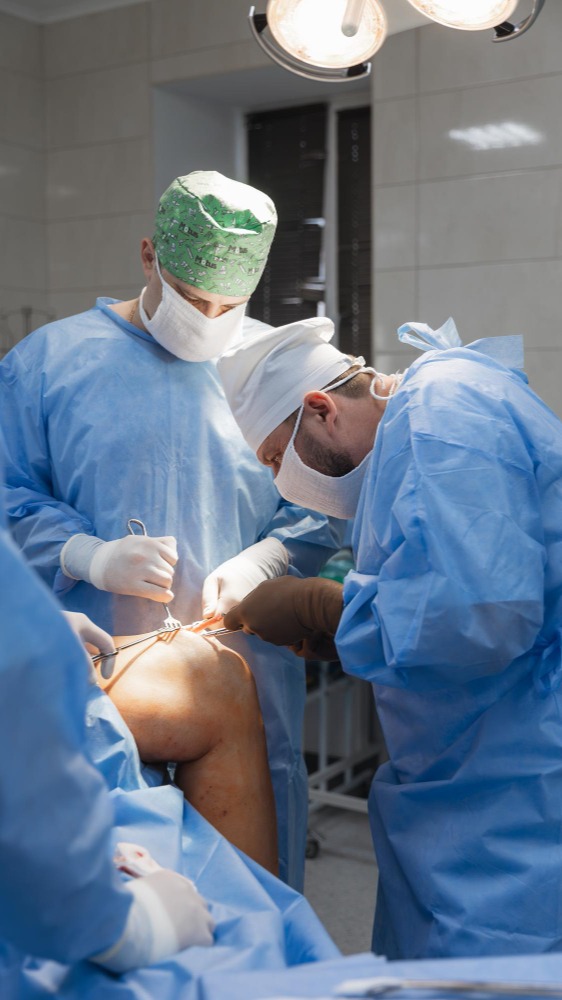
The operation may last only a few hours, but the decision and recovery extend much further. Good orthopedic surgical care treats planning, communication and rehabilitation as essential parts of the procedure itself.
Keywords