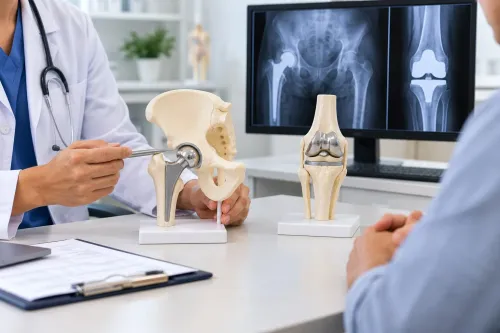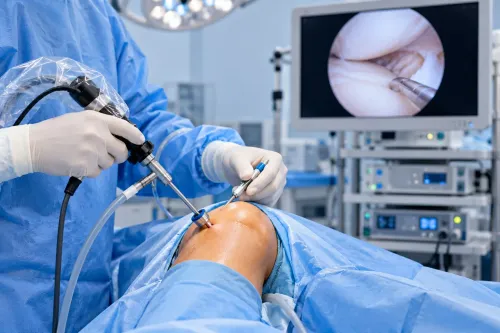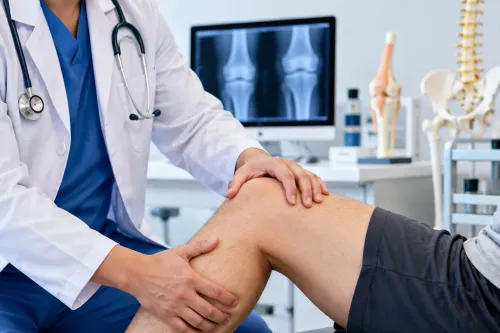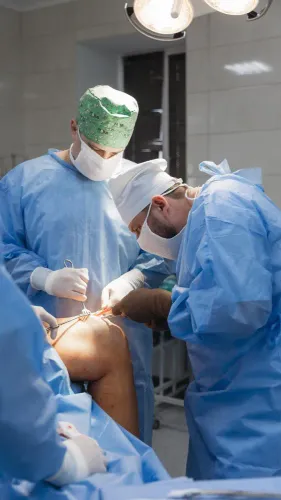
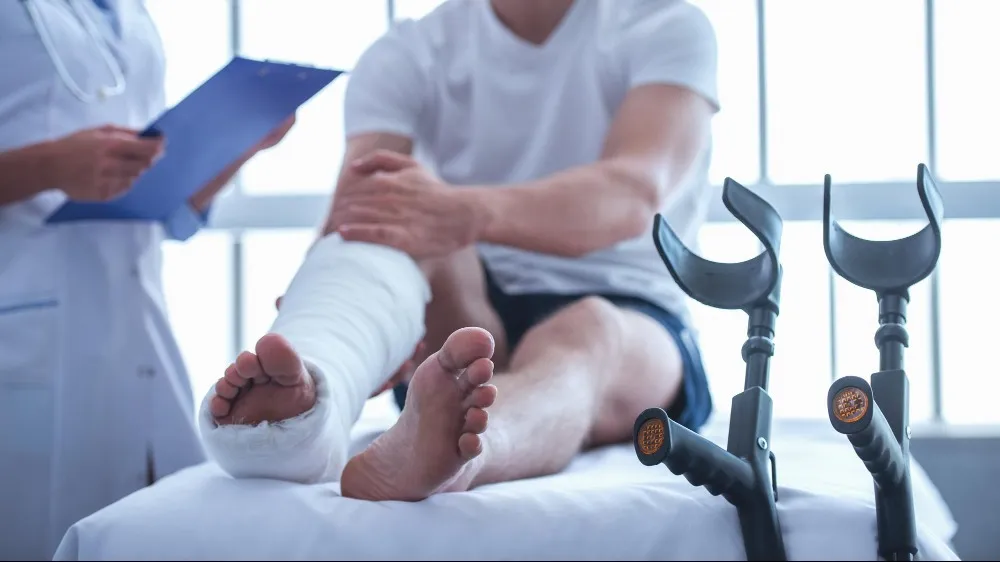
Falls, road accidents, workplace incidents, and sports impacts can cause injuries ranging from minor bruising to complex fractures. Because swelling and pain do not always reveal the full extent of damage, timely assessment is important.
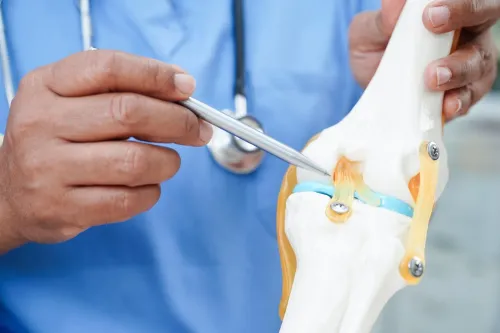
A Trauma and Fracture Specialist in Pune evaluates the bone injury as well as nearby joints, skin, muscles, nerves, and circulation.
Signs That May Indicate a Fracture
A broken bone may cause:
- Immediate pain
- Swelling or bruising
- Difficulty moving the limb
- Inability to bear weight
- Tenderness over the bone
- Visible deformity
- A shortening or unusual rotation
- Grinding sensation
- An open wound near the injury
Some stable or stress fractures produce less dramatic symptoms. Being able to move a limb does not always rule out a fracture.
What to Do Immediately
Keep the injured area supported and avoid unnecessary movement. If possible, remove rings, watches, or tight items before swelling increases.
Do not:
- Try to straighten a deformed limb
- Push exposed bone back into a wound
- Massage the injured area
- Walk repeatedly to “test” the injury
- Eat or drink if urgent surgery may be required, unless advised
- Delay emergency care when circulation or sensation is affected
Call emergency services after major trauma, suspected spinal injury, severe bleeding, or multiple injuries.
How Fractures Are Diagnosed
The doctor will ask how the injury occurred and examine for tenderness, deformity, wounds, nerve function, and blood flow. X-rays identify many fractures, but CT or MRI may be necessary for complex joint injuries, hidden fractures, or associated soft-tissue damage.
Treatment depends on:
- Bone involved
- Fracture pattern
- Alignment and displacement
- Joint involvement
- Skin condition
- Patient age and health
- Associated injuries
- Functional needs
Cast Treatment and Surgical Fixation
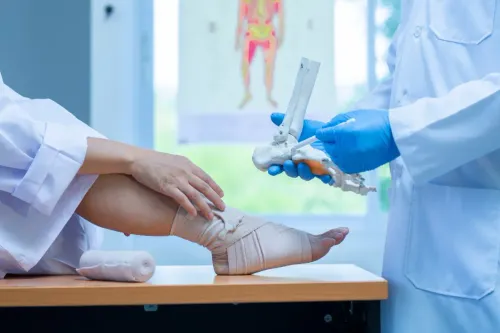
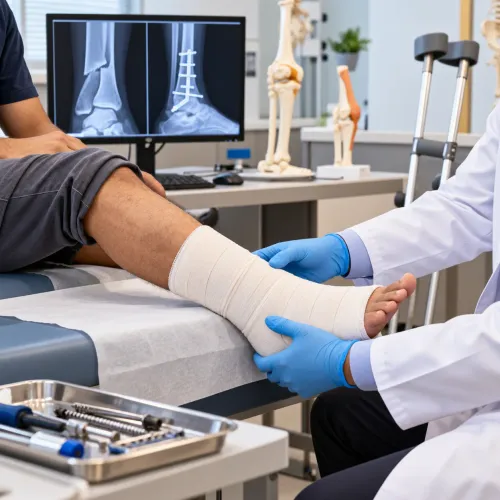
Stable, well-aligned fractures may be treated with a splint, cast, or brace. Some require manipulation to restore alignment.
Surgery may be recommended for:
- Open fractures
- Unstable or significantly displaced breaks
- Fractures extending into a joint
- Multiple fragments
- Loss of acceptable alignment
- Certain hip fractures
- Associated nerve or blood-vessel injury
- Fractures unlikely to remain stable in a cast
Fixation may involve plates, screws, nails, wires, or other devices, depending on the injury.
Follow-Up Is Part of Treatment
A cast is not the end of fracture care. Repeat examinations and X-rays may be required to confirm that alignment remains satisfactory and healing is progressing.
Urgent cast review is needed for:
- Increasing tightness
- Severe pain not relieved as directed
- Numbness or tingling
- Blue, pale, or cold fingers or toes
- Burning under the cast
- Bad odour or discharge
- A wet, cracked, or damaged cast
After immobilization, stiffness and weakness are common. Physiotherapy or guided exercises may help restore movement and strength.
Trauma Care in a Busy City
Road traffic density, construction activity, and recreational sports contribute to varied trauma patterns across Pune. The treatment location should match injury severity. A small clinic may assess a straightforward injury, while high-energy trauma requires a hospital with imaging, anaesthesia, surgery, and emergency support.
Dr Amit Laturkar Orthopedic Aundh evaluates fractures and musculoskeletal trauma and coordinates further hospital care when required. Patients should seek prompt assessment when pain is severe, deformity is present, or normal limb use is not possible.
Correct early management supports healing, but safe recovery also depends on follow-up, protection of the injured bone, and gradual rehabilitation.
Keywords