
Living with constant joint pain can make everyday activities such as walking, climbing stairs, or even getting out of a chair increasingly difficult. While medications, physiotherapy, and lifestyle changes often provide relief in the early stages of joint disease, there are situations where surgery becomes an effective treatment option. Consulting a Joint Replacement Surgeon can help you understand whether joint replacement is appropriate for your condition and what outcomes you can realistically expect.
Joint replacement surgery has advanced significantly over the years, offering improved mobility and pain relief for people with severe joint damage. However, it is not the first solution for every patient. Understanding when surgery is recommended can help you make an informed decision about your orthopedic care.
What Is Joint Replacement Surgery?
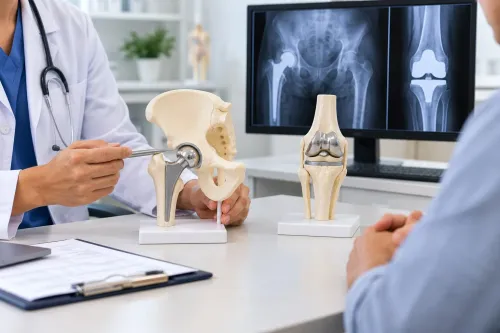
Joint replacement is a surgical procedure in which damaged parts of a joint are replaced with artificial components, commonly known as implants. The procedure is most frequently performed for the knee and hip, although shoulder and other joint replacements may also be recommended in certain cases.
The primary goals of joint replacement are to:
- Reduce chronic pain
- Improve joint movement
- Restore everyday function
- Enhance overall quality of life
Modern surgical techniques and rehabilitation programmes have made recovery more structured and predictable for many patients.
Conditions That May Lead to Joint Replacement
Joint replacement is generally considered when the joint has sustained significant damage that affects daily life and does not respond adequately to conservative treatment.
Common conditions include:
- Osteoarthritis
- Rheumatoid arthritis
- Post-traumatic arthritis
- Severe cartilage damage
- Advanced joint degeneration
- Certain hip disorders
- Long-standing joint deformities
A detailed clinical evaluation helps determine whether these conditions have progressed to the stage where surgery may provide meaningful benefit.
Signs That Conservative Treatment May No Longer Be Enough
Many people continue managing pain with medication for years without realizing that their condition has progressed.
Some signs that indicate it may be time to consult a specialist include:
- Persistent joint pain despite medication
- Difficulty walking short distances
- Pain that interrupts sleep
- Joint stiffness lasting most of the day
- Reduced ability to perform routine activities
- Dependence on walking aids
- Increasing joint deformity
- Limited improvement after physiotherapy
These symptoms do not automatically mean surgery is necessary, but they do warrant an orthopedic assessment.
How Is the Decision Made?
A Joint Replacement Surgeon in Pune does not recommend surgery based on X-rays alone. Several factors are considered before deciding on the most suitable treatment approach.
These include:
- The severity of joint damage
- The patient's symptoms
- Age and general health
- Activity level
- Response to previous treatments
- Functional limitations
- Personal goals and expectations
Imaging studies, physical examination, and a detailed discussion help determine whether continuing non-surgical care or proceeding with surgery is the better option.
What Happens Before Surgery?
If joint replacement is recommended, careful preparation helps improve surgical outcomes.
Pre-operative planning often includes:
- Medical evaluation
- Blood investigations
- Imaging studies
- Review of existing medications
- Advice on exercises before surgery
- Planning for rehabilitation after discharge
Patients are also encouraged to understand the recovery process, expected timelines, and the importance of following rehabilitation instructions.
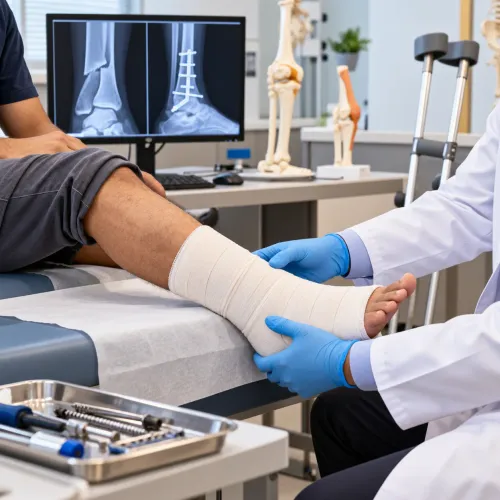
Recovery Is a Structured Process
Successful joint replacement depends not only on the surgery itself but also on rehabilitation.
Recovery usually involves:
- Early assisted walking
- Physiotherapy sessions
- Muscle strengthening exercises
- Joint mobility training
- Gradual return to daily activities
- Regular follow-up appointments
Every patient's recovery timeline is different, depending on age, overall health, and commitment to rehabilitation.
Can Joint Replacement Improve Quality of Life?
For appropriately selected patients, joint replacement can significantly improve comfort and mobility. Many individuals experience reduced pain, better joint function, and greater confidence in performing routine activities after completing rehabilitation.
However, surgery should always be viewed as part of a comprehensive treatment plan rather than an instant solution. Maintaining a healthy weight, staying physically active, and following medical advice remain important even after the procedure.
Accessing Specialized Orthopedic Care
People living in Pune often seek consultation when long-standing knee or hip pain begins limiting their independence. Meeting with a Joint Replacement Surgeon allows patients to understand all available treatment options, including non-surgical management and modern joint replacement techniques when appropriate.
Dr. Amit Laturkar evaluates patients with chronic joint disorders through detailed clinical assessment and evidence-based orthopedic care. The focus is on identifying the most suitable treatment based on the individual's condition, lifestyle, and long-term mobility goals rather than recommending surgery unless it is clinically indicated.
Chronic joint pain should not be accepted as a normal part of ageing. Whether your symptoms are caused by arthritis, injury, or progressive joint damage, seeking timely orthopedic evaluation can help you understand your condition and choose the treatment approach that best supports an active and comfortable life.
Keywords