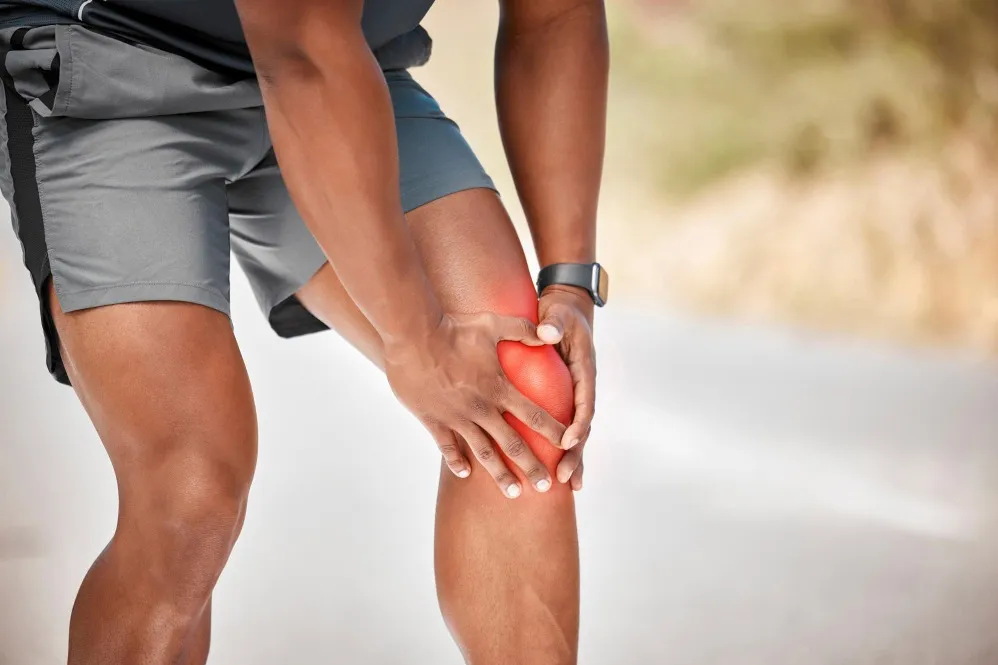
A sports injury does not only affect competitive athletes. Recreational runners, badminton players, cyclists, gym users, dancers, weekend cricketers, and school athletes can all develop injuries that interfere with movement and performance.
A Sports Injury Specialist in Pune evaluates the injured structure and plans a graded return to activity. The goal is not merely to reduce pain but to restore strength, stability, coordination, and confidence.
Normal Soreness or an Actual Injury?
Mild muscle soreness commonly appears after unfamiliar exercise and often improves over several days. An injury is more likely when there is:
- Sudden sharp pain
- A popping sensation
- Immediate swelling
- Joint instability
- Visible bruising
- Loss of movement
- Difficulty bearing weight
- Pain that returns whenever activity resumes
- Reduced sporting performance
- Symptoms that do not improve with rest
Continuing to train through these signs may worsen tissue damage or create compensatory movement patterns.
Common Sports Injuries
Frequently evaluated conditions include:
- Anterior cruciate ligament injuries
- Meniscus tears
- Ankle sprains
- Rotator cuff injuries
- Shoulder dislocation
- Tennis elbow
- Achilles tendon problems
- Muscle strains
- Patellofemoral pain
- Stress fractures
- Cartilage injuries
The same symptom can have several possible causes. For example, knee pain after running may relate to training load, biomechanics, footwear, muscle weakness, cartilage, or a stress injury.
Why Rest Alone May Not Be Enough
Rest may reduce irritation, but prolonged inactivity can also lead to weakness and stiffness. Effective rehabilitation usually progresses through stages.
These may include:
- Protecting the injured tissue
- Controlling pain and swelling
- Restoring movement
- Rebuilding strength
- Improving balance and control
- Reintroducing sport-specific movements
- Returning gradually to training and competition
Progress should be based on function rather than an arbitrary number of days.
What Does a Sports Injury Assessment Include?
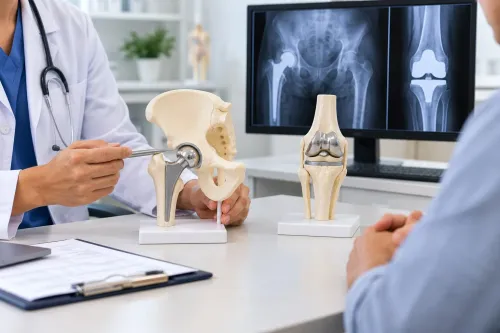
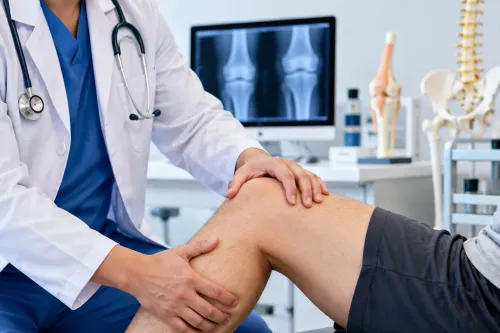
The doctor will ask how the injury occurred, whether there was a pop or swelling, and which movements trigger symptoms. Examination may assess joint stability, strength, flexibility, tenderness, alignment, and sport-specific mechanics.
X-rays can identify fractures or bone abnormalities. MRI or ultrasound may be recommended for selected ligament, cartilage, tendon, or muscle injuries. Imaging is not automatically necessary for every strain or sprain.
When Is Surgery Considered?
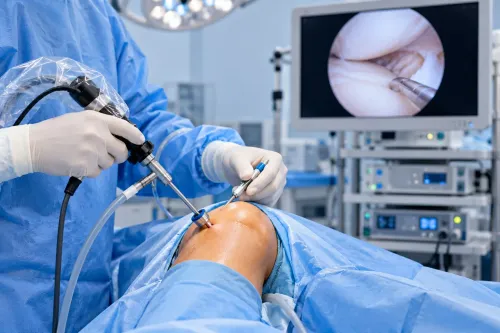
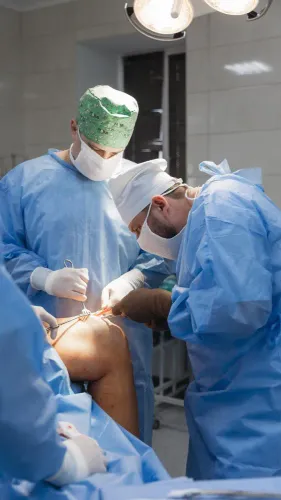
Many sports injuries recover with rehabilitation. Surgery may be considered for complete tears, recurrent instability, displaced cartilage injuries, fractures, or conditions that continue to limit function despite structured non-surgical treatment.
The decision should account for:
- Injury type and severity
- Age and general health
- Sport and playing level
- Work demands
- Joint stability
- Rehabilitation response
- Personal goals
An operation is only one stage of recovery. Postoperative rehabilitation remains essential.
Preventing Repeat Injury
Returning too early is a common reason for recurrence. Pain relief does not necessarily mean that strength and coordination have recovered.
Risk reduction may involve:
- Gradual training progression
- Adequate warm-up
- Strength and mobility work
- Sport-appropriate footwear
- Recovery days
- Correct technique
- Managing training volume
- Addressing previous injuries
Pune’s growing fitness culture includes outdoor running, turf sports, gyms, cycling groups, and racquet sports. Changes in surface, heat, footwear, and workload can influence injury risk.
Dr Amit Laturkar Orthopedic Aundh evaluates sports-related orthopedic problems and helps patients understand whether they need protection, physiotherapy, imaging, or surgical treatment. No doctor can guarantee that an injury will never recur, but accurate diagnosis and criteria-based rehabilitation can support a safer return.
Seek evaluation when pain persists, the joint feels unstable, or normal performance does not return after a reasonable period of recovery.
Keywords