Persistent knee pain can make everyday activities challenging, whether you're walking, climbing stairs, exercising, or simply getting up from a chair. While many knee conditions improve with medication, physiotherapy, and lifestyle changes, some injuries require a more detailed evaluation and specialized treatment. In such cases, Knee Arthroscopic Surgery may be recommended to diagnose and treat certain problems inside the knee joint using minimally invasive techniques.
Arthroscopic surgery has transformed the way many knee conditions are managed by allowing orthopedic surgeons to examine and treat the joint through small incisions. Understanding when this procedure is appropriate can help patients make informed decisions about their orthopedic care.
What Is Knee Arthroscopy?
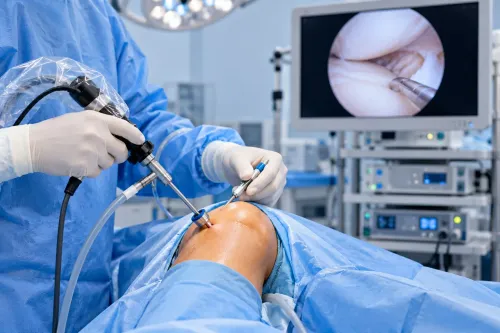
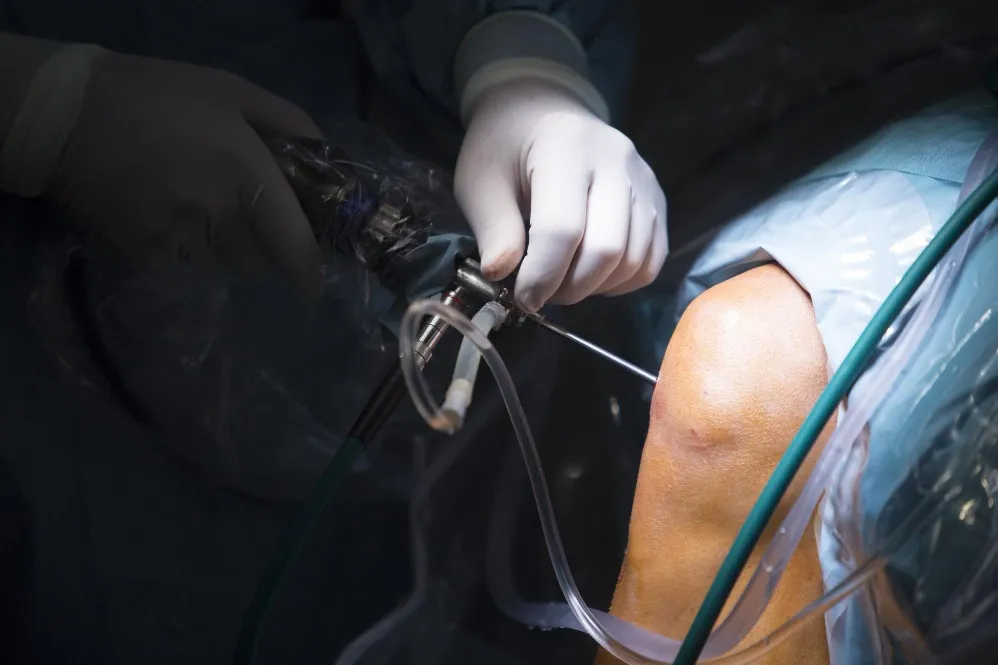
Knee arthroscopy is a minimally invasive surgical procedure that uses a small camera, known as an arthroscope, to visualize the inside of the knee joint. The camera transmits detailed images to a monitor, enabling the surgeon to identify damaged structures and perform necessary treatment through tiny surgical instruments.
Unlike traditional open surgery, arthroscopy generally requires smaller incisions, resulting in less disruption to surrounding tissues.
Depending on the condition, arthroscopy may be performed for both diagnosis and treatment during the same procedure.
Which Knee Problems Can Be Treated Arthroscopically?
Not every knee condition requires arthroscopic surgery. The procedure is usually recommended after a thorough clinical assessment and appropriate imaging studies.
Some conditions that may benefit from arthroscopy include:
- Meniscus tears
- Anterior cruciate ligament (ACL) injuries
- Posterior cruciate ligament (PCL) injuries
- Cartilage damage
- Loose bone or cartilage fragments
- Inflamed joint lining (synovium)
- Certain sports-related knee injuries
- Recurrent knee locking
The suitability of arthroscopy depends on the specific diagnosis rather than the severity of pain alone.
When Should You Consider Seeing an Orthopedic Specialist?
Many people continue living with knee discomfort, hoping it will resolve on its own. However, certain symptoms indicate that professional evaluation is necessary.
You should consider consulting an orthopedic specialist if you experience:
- Knee pain lasting several weeks
- Swelling that repeatedly returns
- Difficulty bending or straightening the knee
- A feeling that the knee gives way
- Clicking or locking during movement
- Pain while climbing stairs
- Difficulty returning to sports after an injury
- Limited improvement despite physiotherapy
These symptoms may indicate injuries involving cartilage, ligaments, or the meniscus that require further evaluation.
How Is the Need for Arthroscopy Determined?
Before recommending surgery, an orthopedic specialist performs a comprehensive assessment that includes:
- Detailed discussion about your symptoms
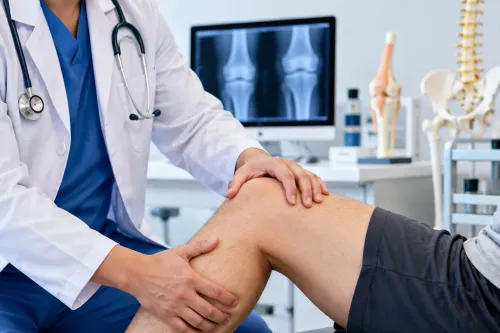
- Physical examination
- Evaluation of knee stability
- Assessment of movement and strength
- X-rays if necessary
- MRI scans to evaluate soft tissue injuries
The decision to perform arthroscopy is based on clinical findings, imaging results, activity level, and whether conservative treatment has provided sufficient relief.
What Happens During Recovery?
Recovery following arthroscopic surgery varies depending on the procedure performed and the underlying condition being treated.
A structured rehabilitation programme often includes:
- Early controlled movement
- Pain and swelling management
- Physiotherapy
- Muscle strengthening
- Balance and coordination exercises
- Gradual return to work
- Progressive return to sports activities
Following rehabilitation guidelines is essential for restoring knee function and reducing the risk of future injuries.
Advantages of Arthroscopic Surgery
Although every surgical procedure carries potential risks, arthroscopy offers several benefits for appropriately selected patients.
These may include:
- Smaller surgical incisions
- Better visualization of the knee joint
- Reduced soft tissue disruption
- Earlier rehabilitation in many cases
- Improved assessment of multiple joint structures
- Treatment of several conditions during the same procedure
Your orthopedic surgeon will explain whether these advantages apply to your particular condition.
Can Knee Problems Always Be Treated Without Surgery?
The answer depends on the diagnosis.
Many conditions improve successfully with:
- Physiotherapy
- Activity modification
- Weight management
- Anti-inflammatory medication
- Muscle strengthening programmes
- Joint protection strategies
Arthroscopic surgery is generally considered when symptoms persist despite appropriate conservative treatment or when specific injuries require surgical management.
Access to Specialized Knee Care
Residents across Pune frequently seek orthopedic evaluation when persistent knee pain begins limiting work, sports, or routine daily activities. Consulting a specialist experienced in Knee Arthroscopic Surgery allows patients to understand whether minimally invasive treatment is appropriate or whether non-surgical options remain the better choice.
Dr. Amit Laturkar evaluates a wide range of knee conditions through careful clinical assessment and evidence-based orthopedic care. Each treatment plan is individualized, ensuring that patients receive recommendations based on the nature of their injury, functional requirements, and long-term joint health rather than a standard treatment approach.
Persistent knee pain should never be ignored, particularly when it affects mobility or quality of life. Early evaluation and timely treatment can help preserve knee function, support faster recovery, and enable patients to return to their normal activities with greater confidence.
Keywords