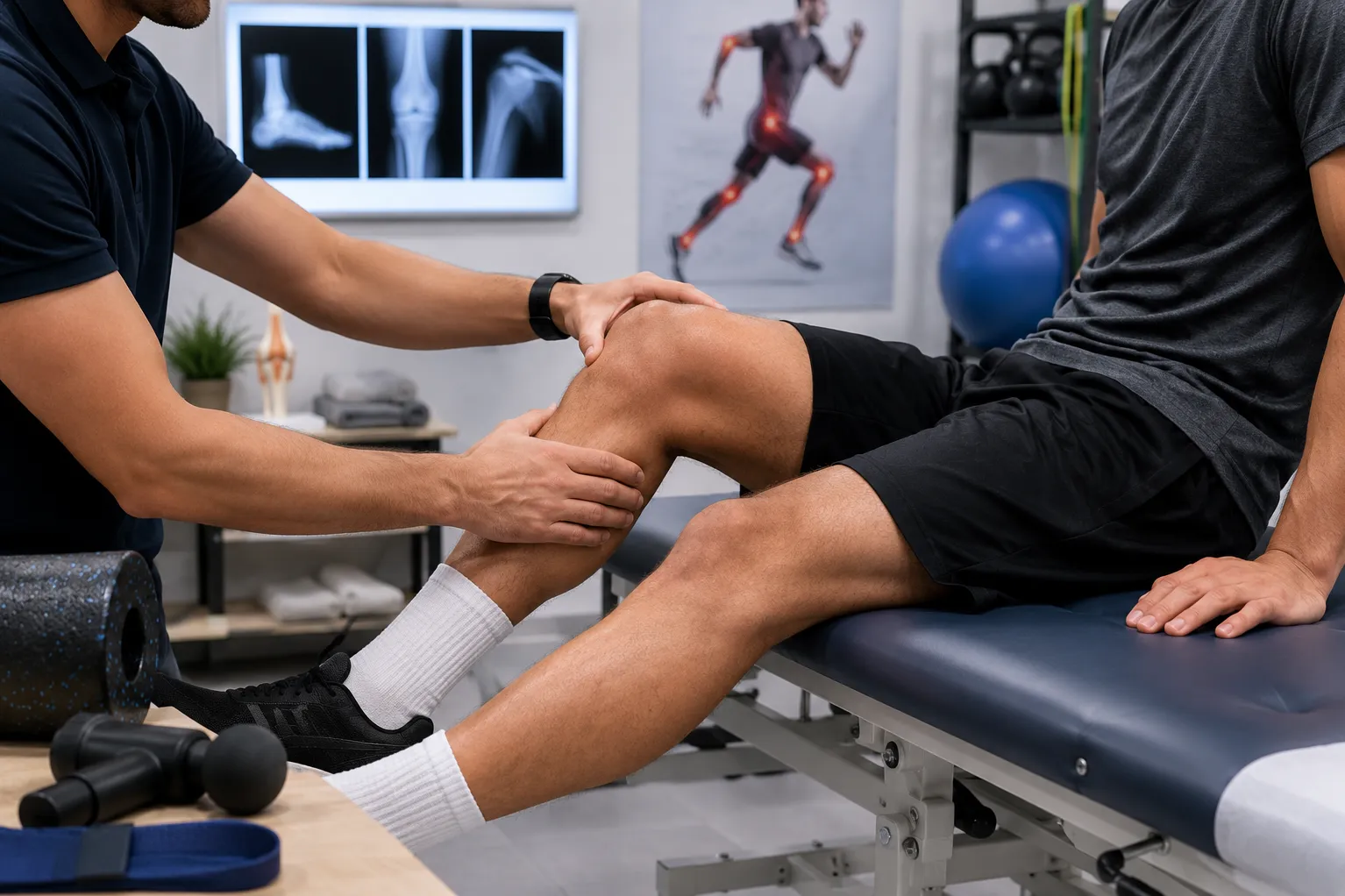
Whether you're a professional athlete, a weekend fitness enthusiast, or someone who enjoys regular physical activity, injuries can happen unexpectedly. While some sports injuries heal with rest and proper care, others require medical evaluation to prevent long-term complications. Knowing when to consult a Sports Injury Specialisti can help ensure an accurate diagnosis, timely treatment, and a safer return to your normal activities.
Sports injuries are not limited to athletes. People who participate in recreational sports, gym workouts, running, cycling, or even regular exercise classes can experience injuries affecting muscles, ligaments, tendons, bones, and joints. Early intervention often reduces recovery time and lowers the risk of repeated injuries.
What Are Sports Injuries?
Sports injuries occur when excessive force, repetitive movements, improper technique, or sudden trauma damages the body's musculoskeletal structures. Some injuries happen immediately after an accident, while others develop gradually due to overuse.
Common sports injuries include:
- Ligament sprains
- Muscle strains
- Tendon injuries
- Meniscus tears
- Shoulder dislocations
- Rotator cuff injuries
- Knee ligament injuries
- Stress fractures
- Tennis elbow
- Ankle sprains
The severity of these injuries can range from mild discomfort to conditions that require surgical intervention.
Signs That You Should Not Ignore
Many people try to 'play through the pain' or continue exercising despite discomfort. Unfortunately, this often worsens the injury and prolongs recovery.
You should seek medical attention if you experience:
- Severe pain during or after activity
- Swelling around a joint
- Difficulty walking or bearing weight
- Joint instability or giving way
- Limited movement
- Pain that lasts for several days
- A popping sensation during the injury
- Recurrent injuries involving the same joint
Ignoring these symptoms may increase the likelihood of chronic pain or long-term joint damage.
Why Early Diagnosis Is Important
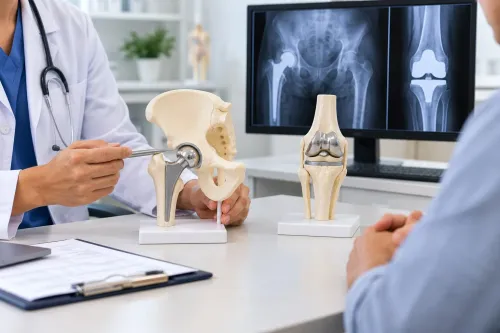
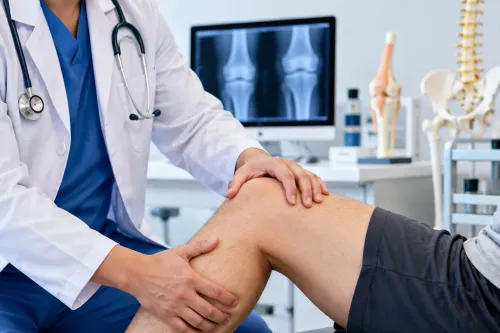
A sports injury specialist focuses on identifying the exact structure involved rather than treating symptoms alone. During your consultation, the doctor will review how the injury occurred, assess joint stability and movement, and recommend imaging studies such as X-rays or MRI scans when needed.
An early diagnosis helps determine whether the injury can be managed with conservative treatment or requires advanced procedures. Timely intervention also reduces the chances of complications such as chronic instability, cartilage damage, or repeated ligament injuries.
Treatment Depends on the Type of Injury
No two sports injuries are exactly alike. Treatment varies depending on the location, severity, age, activity level, and personal goals of the patient.
Management may include:
- Rest and activity modification
- Ice and compression during the early stage
- Pain-relieving medication when appropriate
- Physiotherapy
- Muscle strengthening exercises
- Balance and coordination training
- Bracing or supportive devices
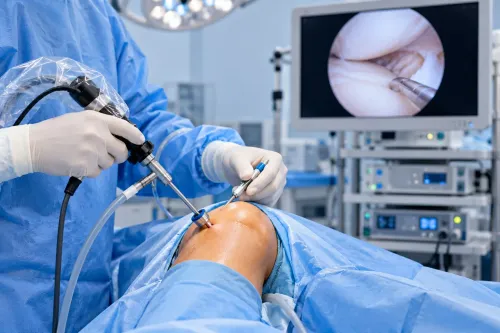
- Arthroscopic surgery for selected injuries
The aim is not only to relieve pain but also to restore strength, flexibility, stability, and confidence before returning to sports or exercise.
Preventing Future Sports Injuries
Although not every injury can be avoided, adopting good training habits significantly lowers the risk.
Some practical preventive measures include:
- Warm up before every workout
- Stretch major muscle groups regularly
- Increase training intensity gradually
- Wear appropriate footwear
- Use proper sports equipment
- Strengthen supporting muscles
- Stay hydrated
- Allow adequate recovery between training sessions
- Avoid exercising through persistent pain
Listening to your body is one of the most effective ways to prevent small problems from becoming serious injuries.
Returning to Sports Safely
Many individuals resume physical activity too soon because the pain has reduced. However, pain relief alone does not always indicate complete healing.
Before returning to sports, several factors should be evaluated:
- Full joint movement
- Muscle strength comparable to the opposite side
- Good balance and coordination
- Absence of swelling
- Ability to perform sport-specific movements comfortably
Following a structured rehabilitation programme helps reduce the risk of reinjury and supports long-term performance.
Why Local Access to Sports Injury Care Matters
For individuals living in Sanghvi, Pune, and nearby areas, convenient access to orthopedic and sports injury care can make follow-up appointments and rehabilitation much easier. Sports injuries often require regular assessments to monitor recovery and adjust treatment plans as healing progresses.
Consulting a Sports Injury Specialist allows patients to receive timely evaluation, individualized rehabilitation guidance, and recommendations based on their activity level and recovery goals.
Choosing the Right Specialist
Selecting the right sports injury specialist involves considering clinical experience, diagnostic expertise, rehabilitation planning, and the ability to offer both non-surgical and surgical treatment when needed.
Dr. Amit Laturkar evaluates a wide range of sports-related orthopedic conditions, helping patients understand the nature of their injury and the treatment options available. By combining careful clinical assessment with evidence-based orthopedic care, the focus remains on supporting safe recovery and helping patients return to the activities they enjoy.
Whether you're recovering from a ligament injury, muscle strain, or joint problem, early assessment and appropriate treatment can improve recovery, reduce complications, and help you stay active for years to come.
Keywords