An orthopedic consultation can involve unfamiliar terms, imaging findings, and several treatment choices. Patients sometimes leave with a prescription but remain uncertain about the actual diagnosis or what they should do next.
Preparing questions in advance can make an appointment with an Orthopedic Specialist in Aundh more productive and help you participate meaningfully in treatment decisions.
What Is Causing My Symptoms?
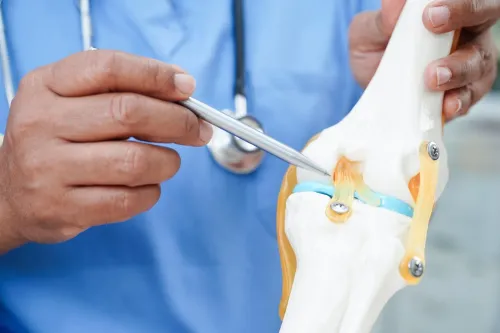
Ask the doctor to name the most likely diagnosis and identify the affected structure. “Knee pain” is a symptom, not a complete diagnosis.
Useful follow-up questions include:
- Is the problem related to bone, cartilage, ligament, tendon, or muscle?
- Is it caused by injury, degeneration, inflammation, or alignment?
- How severe is the condition?
- Could pain be coming from another area?
- Is the problem likely to progress?
Understanding the cause makes the treatment plan easier to follow.
Do I Need Imaging?
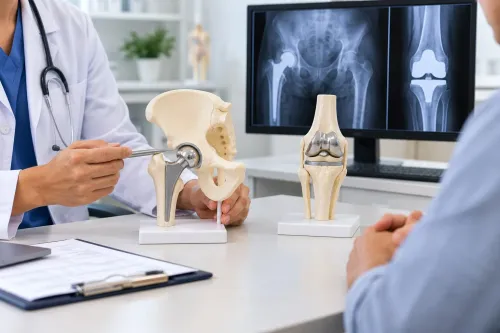
Not every orthopedic condition requires an MRI. X-rays are often useful for fractures, alignment, and arthritis, while MRI may help evaluate ligaments, cartilage, tendons, or other soft tissues.
Ask:
- What will this test confirm or rule out?
- Will the result change treatment?
- Should I bring older images for comparison?
- Is the scan urgent?
- Are there alternatives if I cannot undergo MRI?
Imaging should support clinical assessment rather than replace it.
What Non-Surgical Treatments Are Available?
Many orthopedic conditions can initially be managed without surgery. Depending on the diagnosis, options may include medication, physiotherapy, activity modification, weight management, bracing, or injections.
Clarify:
- Which treatment should be tried first?
- How long should it be continued?
- What improvement should I expect?
- Which exercises are safe?
- What should I temporarily avoid?
- When should the plan be reviewed?
A clear time frame prevents months of ineffective self-treatment.
Why Is Surgery Being Recommended?
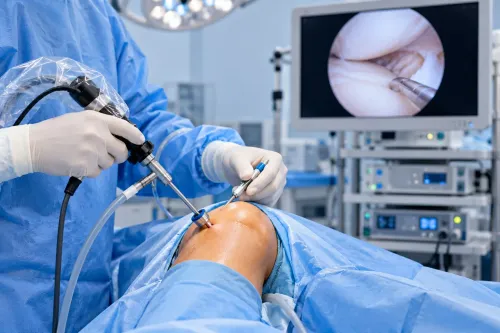
If surgery is discussed, understand the clinical reason behind it. Surgery may be appropriate for an unstable fracture, advanced joint damage, significant tendon or ligament injury, deformity, or persistent disability.
Questions worth asking include:
- Is surgery necessary now?
- What may happen if I wait?
- Are there reasonable alternatives?
- What procedure is proposed?
- What are its important risks?
- What result is realistic for my condition?
- How long might rehabilitation take?
- When could I return to work or driving?
No operation is completely risk-free, and individual recovery varies.
What Should I Know About Recovery?
Recovery involves more than wound healing. Strength, balance, flexibility, and confidence may take longer to return.
Ask about:
- Hospital stay
- Pain-management plan
- Walking aids
- Physiotherapy
- Wound care
- Bathing and dressing
- Driving restrictions
- Work limitations
- Warning signs
- Follow-up schedule
Pune patients should also plan practical matters such as transport, stair access, home assistance, and travel time for rehabilitation.
Are My Other Health Conditions Relevant?
Diabetes, heart disease, smoking, obesity, anaemia, dental infection, and certain medicines may influence surgical planning and recovery. Provide an accurate medication list, including supplements and blood-thinning medicines.
Never stop prescribed medication without instructions from the relevant doctor.
Should I Seek a Second Opinion?
A second opinion may be useful when the diagnosis is uncertain, major surgery is proposed, or several treatment choices are reasonable. A responsible specialist should understand a patient’s wish to make an informed decision.
Dr Amit Laturkar Orthopedic Aundh provides evaluation for bone, joint, sports injury, fracture, knee, hip, foot, and ankle concerns. Bringing reports and a written question list can help keep the consultation focused.
A successful appointment is not measured only by receiving treatment. It should provide clarity about the diagnosis, available options, expected recovery, and the next decision point.
Keywords