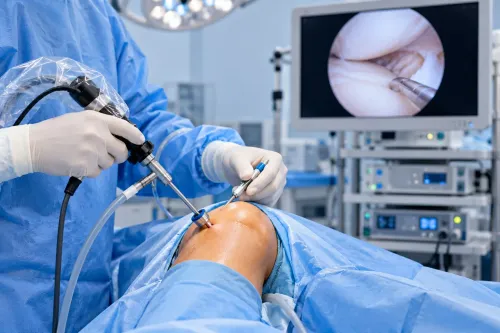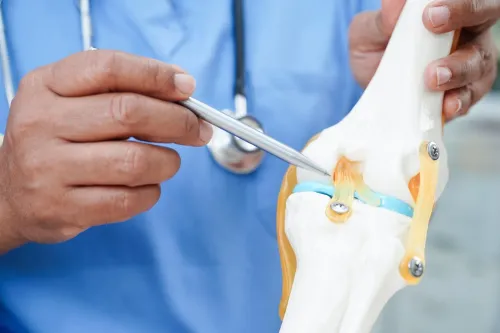

Choosing a Knee Replacement Surgeon in Pune can feel difficult when pain already limits walking, sleep, and everyday activity. Families may focus on hospital reputation or technology, but a sound decision requires a broader review.
This checklist can help patients compare care thoughtfully before proceeding.
1. Is the Diagnosis Clearly Established?
Knee replacement is commonly considered for advanced arthritis when pain and disability remain substantial despite suitable non-surgical treatment.
The surgeon should correlate symptoms with examination and weight-bearing X-rays. Imaging may show arthritis, but the patient’s functional difficulty is also important.
Ask which parts of the knee are damaged and whether the condition is mild, moderate, or advanced.
2. Have Reasonable Non-Surgical Options Been Reviewed?
Depending on the condition, earlier treatment may include:
- Physiotherapy
- Strengthening exercises
- Activity modification
- Weight management
- Walking support
- Prescribed medication
- Selected injections
These measures cannot reverse advanced cartilage loss, but they may control symptoms in some patients. Surgery should be discussed when their likely benefit has become limited or when disability is severe.
3. Is Partial or Total Replacement More Appropriate?
A partial knee replacement resurfaces only the damaged compartment and is suitable for selected patients with disease limited to one area. Total replacement addresses more widespread joint damage.
Eligibility depends on cartilage loss, ligament condition, deformity, stiffness, and inflammatory disease. The smaller operation is not automatically the better option if arthritis involves several compartments.
4. Does the Surgeon Explain Technique and Technology Honestly?
Conventional, computer-navigated, and robotic-assisted methods are tools used to plan or execute surgery. Technology may assist with measurements and component positioning, but it does not replace surgical judgement.
Ask why a particular method is being recommended for your anatomy. The explanation should include benefits, limitations, and whether it materially changes the plan.
5. Is the Hospital Prepared for Joint Replacement Care?
Look for:
- Appropriate operating-room standards
- Anaesthesia and medical support
- Infection-control protocols
- Implant traceability
- Blood clot prevention
- Pain-management planning
- Early physiotherapy
- Emergency support
- Structured discharge instructions
The quality of the entire pathway matters.
6. Are Risks Discussed Clearly?
Potential complications can include infection, blood clots, stiffness, persistent pain, implant problems, fracture, nerve or blood-vessel injury, and the possible need for further surgery.
Personal risk varies. Diabetes control, smoking, obesity, skin problems, dental infection, anaemia, and other medical conditions may affect preparation.
7. Is the Recovery Plan Practical?
Before surgery, clarify:
- Expected hospital stay
- When standing and walking may begin
- Need for a walker or stick
- Physiotherapy frequency
- Wound-care instructions
- Stair use
- Driving and work restrictions
- Follow-up dates
- Warning signs requiring urgent review
Arrange home support and safe transport in advance. Pune patients should consider whether repeated travel for therapy will be manageable.
8. Are Outcomes Described Realistically?
Knee replacement is intended to reduce pain and improve useful movement. Recovery is gradual, and some swelling or stiffness can persist for a period after surgery.
An ethical surgeon should not guarantee a perfectly natural-feeling knee or an identical timeline for every patient.
9. Are Costs Transparent?
Request an itemized estimate covering the implant, hospital, surgeon, anaesthesia, investigations, medicines, consumables, physiotherapy, and follow-up arrangements.
10. Do You Feel Informed Rather Than Pressured?
Dr Amit Laturkar Orthopedic Aundh assesses knee arthritis and replacement suitability for patients in Pune. A good consultation should help the patient understand the diagnosis, alternatives, operative plan, risks, and rehabilitation responsibilities.
The right surgeon-patient relationship is built on careful selection, realistic expectations, and shared decision-making not promotional claims alone.
Keywords