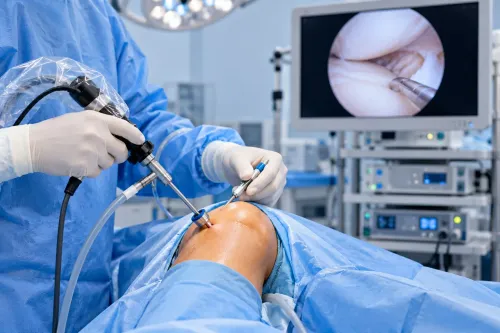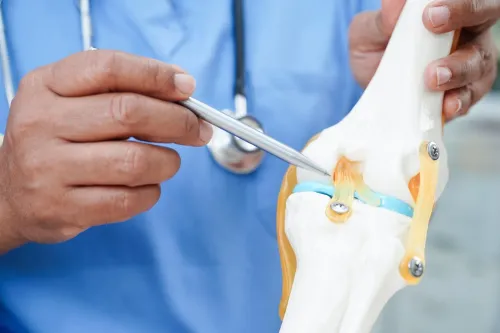

Living with severe knee pain can make everyday activities such as walking, climbing stairs, standing for long periods, or getting up from a chair increasingly difficult. While many knee problems respond well to medications, physiotherapy, weight management, and lifestyle changes, there comes a stage when these treatments may no longer provide adequate relief. At that point, consulting a Knee Replacement Surgeon can help you understand whether surgery is the most suitable option for your condition.
Knee replacement surgery is one of the most commonly performed orthopedic procedures for advanced knee arthritis and other conditions that significantly affect joint function. However, deciding to undergo surgery requires careful evaluation rather than relying solely on age or X-ray findings.
When Is Knee Replacement Recommended?
Knee replacement is generally considered when the knee joint has sustained extensive damage, making everyday movement painful and limiting a person's quality of life.
Your orthopedic specialist may recommend further evaluation if you experience:
- Persistent knee pain despite medication
- Difficulty walking short distances
- Pain that disturbs sleep
- Knee stiffness throughout the day
- Swelling that frequently returns
- Reduced ability to climb stairs
- Difficulty standing after sitting
- Limited improvement despite physiotherapy
Not everyone with knee pain requires surgery. Many patients continue to benefit from conservative treatment depending on the stage of the disease.
What Conditions Commonly Lead to Knee Replacement?
Several orthopedic conditions can gradually damage the knee joint over time.
These include:
- Osteoarthritis
- Rheumatoid arthritis
- Post-traumatic arthritis
- Severe cartilage damage
- Knee deformities
- Long-standing joint degeneration
As cartilage wears away, the bones begin rubbing against each other, leading to pain, stiffness, swelling, and reduced mobility.
How Does an Orthopedic Specialist Decide?
The decision is based on a combination of clinical findings rather than imaging alone.
During the consultation, your doctor will evaluate:
- The severity of your symptoms
- Physical examination findings
- Walking pattern
- Joint stability
- Range of motion
- X-rays or MRI scans if required
- Response to previous treatments
- Overall medical fitness
Your daily lifestyle, work requirements, and activity goals are also important factors when planning treatment.
What Happens Before Surgery?
If surgery becomes necessary, preparation begins well before the procedure itself.
Your orthopedic team may recommend:
- Blood investigations
- Cardiac evaluation if needed
- Imaging studies
- Medication review
- Pre-operative physiotherapy
- Weight management advice
- Strengthening exercises
Preparing physically before surgery often contributes to smoother recovery afterward.
Understanding the Procedure
During knee replacement surgery, the damaged surfaces of the knee joint are replaced with specially designed artificial components.
The objective is to:
- Reduce pain
- Restore smoother joint movement
- Improve walking ability
- Correct deformity where possible
- Enhance overall quality of life
Modern implants are designed to function naturally while preserving as much healthy bone as possible.
Recovery Requires Commitment
One of the biggest misconceptions is that surgery alone guarantees recovery.
Successful rehabilitation depends on:
- Early mobilisation
- Regular physiotherapy
- Muscle strengthening
- Walking exercises
- Improving flexibility
- Following medical advice consistently
Most patients gradually return to everyday activities under professional guidance, although recovery timelines vary from person to person.
Questions Patients Often Ask
Am I too old for knee replacement?
Age alone does not determine eligibility. Overall health, mobility, symptoms, and joint damage are more important considerations.
Will both knees need surgery?
Some patients require surgery on one knee, while others may eventually need treatment for both. This depends entirely on the extent of joint disease.
Can I avoid surgery?
Many patients successfully manage symptoms through medication, physiotherapy, activity modification, injections, and weight management for several years. Surgery is considered when these options no longer provide satisfactory improvement.
How long do knee implants last?
Modern knee implants are designed for long-term use, although longevity depends on several factors, including activity level, body weight, implant type, and overall health.
Choosing the Right Orthopedic Care
Residents across Pune often seek orthopedic consultation when persistent knee pain begins interfering with work, household activities, or recreational pursuits. Consulting a Knee Replacement Surgeon allows patients to understand every available treatment option before making an informed decision.
Rather than focusing immediately on surgery, an experienced orthopedic specialist evaluates the complete clinical picture and recommends the most appropriate treatment based on the patient's condition.
Dr. Amit Laturkar provides comprehensive assessment for patients experiencing chronic knee problems, helping them understand the cause of their symptoms and whether conservative management or surgical treatment is likely to offer the best outcome. Every treatment plan is individualized with the goal of improving mobility, reducing pain, and supporting long-term joint function.
Persistent knee pain should never be accepted as an unavoidable part of aging. Early orthopedic evaluation can help identify the underlying problem and provide timely treatment that supports an active and independent lifestyle.
Keywords