Searching for an Orthopedic Doctor Near Me is often the first step people take when persistent joint pain, a sports injury, or a fracture starts affecting their daily life. However, choosing the right orthopedic specialist involves more than simply selecting the closest clinic. Finding a doctor with the appropriate expertise and a patient-focused approach can make a meaningful difference in diagnosis, treatment, and recovery.
Orthopedic conditions range from simple sprains to complex joint disorders. Receiving timely care from a qualified specialist helps ensure that the underlying cause is identified accurately, allowing treatment to begin before the condition worsens.
Why People Search for an Orthopedic Doctor
Bone and joint problems can develop for many reasons. Some occur suddenly after an accident or fall, while others progress gradually because of ageing, repetitive movements, or underlying medical conditions.
People commonly seek orthopedic care for:
- Persistent knee, hip, or shoulder pain
- Sports-related injuries
- Fractures and trauma
- Arthritis and joint stiffness
- Neck and back pain
- Tendon and ligament injuries
- Foot and ankle discomfort
- Difficulty walking or performing routine activities
If pain continues despite rest or begins interfering with work, exercise, or sleep, it is advisable to consult an orthopedic specialist rather than relying on self-medication.
What to Look for in an Orthopedic Doctor
Choosing the right doctor should involve evaluating experience, communication, and the range of services available instead of focusing only on location.
Some important factors include:
Experience in Treating Your Condition
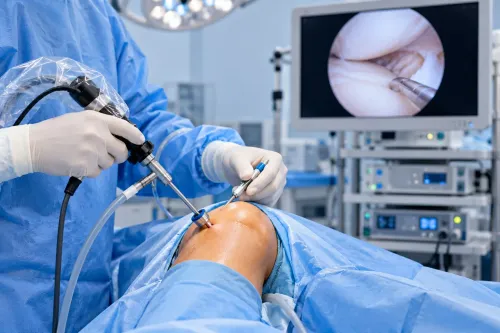
Orthopedics includes several subspecialties such as sports injuries, joint replacement, trauma care, arthroscopy, and foot and ankle disorders. Selecting a doctor with experience relevant to your condition helps ensure a more focused treatment plan.
Comprehensive Evaluation
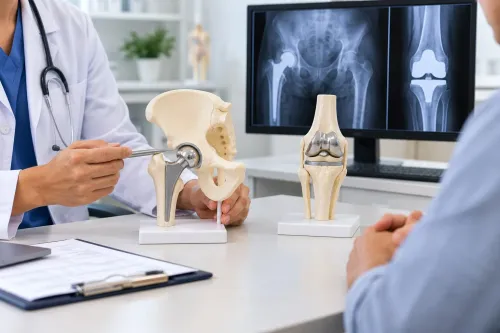
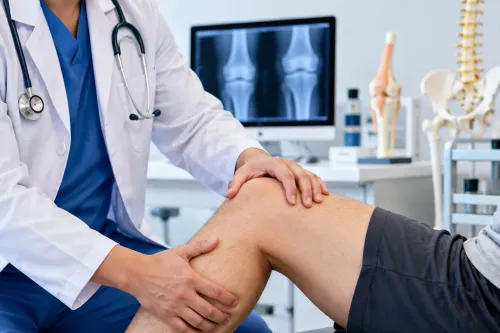
A good orthopedic consultation should include a detailed discussion of your symptoms, medical history, physical examination, and diagnostic investigations whenever necessary. Understanding the cause of the problem is more valuable than simply treating the symptoms.
Clear Communication
Patients should feel comfortable asking questions about their diagnosis, treatment options, expected recovery, and rehabilitation. A doctor who explains medical conditions in simple language helps patients participate confidently in their treatment decisions.
Availability of Multiple Treatment Options
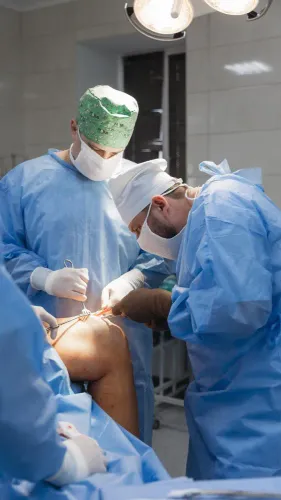
Many orthopedic conditions can be managed without surgery. Conservative treatments such as physiotherapy, medications, exercise programmes, lifestyle modifications, and injections may be recommended before considering surgical intervention.
Questions You Can Ask During Your Consultation
Preparing a few questions before your appointment can help you better understand your condition.
You may consider asking:
- What is causing my pain?
- Will I need imaging tests?
- Can my condition be managed without surgery?
- What lifestyle changes may help?
- How long will recovery take?
- Will physiotherapy be necessary?
- What activities should I avoid during treatment?
These discussions allow you to make informed decisions while understanding realistic treatment expectations.
When Should You Avoid Delaying Treatment?
Some orthopedic problems require prompt medical evaluation to prevent further complications.
Seek medical attention if you experience:
- Sudden inability to bear weight
- Severe swelling after an injury
- Visible joint deformity
- Persistent numbness or weakness
- Severe pain following a fall
- Limited movement that continues for several days
- Fever associated with joint swelling
Early diagnosis often leads to more effective treatment and may reduce recovery time.
The Importance of Rehabilitation
Recovery does not end once pain improves. Rehabilitation plays an essential role in restoring strength, flexibility, balance, and normal movement.
Depending on the condition, rehabilitation may include:
- Guided physiotherapy
- Muscle strengthening exercises
- Joint mobility training
- Balance improvement
- Activity modification
- Gradual return to sports or work
Following the prescribed rehabilitation programme reduces the risk of reinjury and helps patients regain confidence in daily activities.
Local Access to Orthopedic Care Matters
Residents of Aundh, often prefer consulting an orthopedic specialist close to home because it makes follow-up appointments and rehabilitation sessions more convenient. Easy access to ongoing care is particularly important for patients recovering from fractures, ligament injuries, or joint replacement procedures that require regular monitoring.
Searching for an Orthopedic Doctor Near Me should therefore involve balancing convenience with experience, clinical expertise, and patient-centred care.
Making an Informed Decision
Selecting an orthopedic doctor is an important healthcare decision. Looking at qualifications, experience, communication style, treatment philosophy, and the availability of comprehensive orthopedic services can help patients choose a specialist who best suits their needs.
Dr. Amit Laturkar provides evaluation and treatment for a wide range of orthopedic conditions, offering evidence-based care tailored to each patient's diagnosis and functional goals. By focusing on accurate assessment and individualized treatment planning, the practice supports patients in managing both acute injuries and long-term musculoskeletal conditions.
Whether you're experiencing ongoing joint pain, recovering from an injury, or looking for expert guidance on bone and joint health, consulting the right orthopedic specialist can help you regain mobility, reduce discomfort, and return to your everyday activities with greater confidence.
Keywords