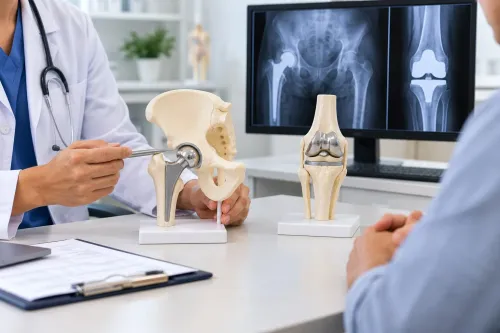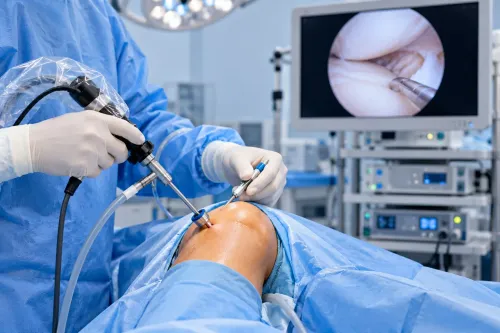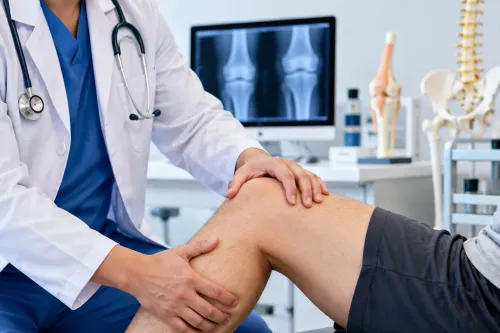
A search for an Orthopedic Doctor Near Me often happens after a sudden injury, worsening joint pain, or difficulty moving normally. At that moment, proximity matters but the seriousness of the symptoms should determine where you seek care.
Some orthopedic problems can wait for a scheduled clinic visit. Others require urgent hospital assessment.
Symptoms That Need Immediate Attention
Go to an emergency facility promptly if an injury causes:
- An obviously deformed limb or joint
- Bone visible through a wound
- Uncontrolled bleeding
- Loss of sensation
- A cold, pale, or bluish hand or foot
- Severe pain with rapidly increasing swelling
- Inability to stand after significant trauma
- Suspected hip fracture after a fall
- Neck or back injury with limb weakness
- Loss of bladder or bowel control after spinal trauma
Do not attempt to straighten a visibly deformed limb. Keep it supported in the position found and arrange safe medical transport.
Problems Suitable for a Prompt Clinic Appointment
A clinic consultation may be appropriate for ongoing or moderate symptoms such as:
- Joint pain lasting several days
- Recurrent knee swelling
- Shoulder pain while lifting the arm
- Ankle pain after a minor twist
- Morning stiffness
- Heel pain
- Gradually worsening hip discomfort
- Clicking or locking in a joint
- Sports pain that returns with activity
- A suspected minor fracture without deformity
If symptoms worsen while waiting, seek earlier evaluation.
What to Check Before Choosing a Nearby Clinic
Distance is only one factor. Confirm that the doctor evaluates the type of problem you have. An orthopedic clinic should be able to assess bone, joint, ligament, tendon, and muscle conditions and arrange appropriate imaging when necessary.
Practical questions include:
- Is the clinic open at a suitable time?
- Is an appointment available soon?
- Can the facility arrange X-rays?
- Does the doctor provide fracture follow-up?
- Is the clinic accessible for someone using crutches?
- Are surgical hospital arrangements available if needed?
- Is physiotherapy coordination possible?
For patients in Pune, location can affect continuity of care. Follow-up is particularly important after casting, fracture fixation, ligament injury, or joint surgery.
What to Do Before the Appointment
For a recent minor injury, protect the area and avoid activities that increase pain. A wrapped ice pack may be applied for short periods, provided the skin is protected. Elevation can help limit swelling.
Avoid:
- Forceful massage immediately after injury
- Repeatedly testing a painful joint
- Returning to sport through sharp pain
- Taking multiple pain medicines without checking ingredients
- Applying a tight bandage that causes numbness
- Delaying care when weight-bearing is impossible
Bring any previous medical records and explain exactly how the injury occurred. The mechanism such as twisting, direct impact, or landing awkwardly can help identify the structures involved.
Why a Nearby Doctor May Still Refer You
Not every condition should be treated in an outpatient clinic. A doctor may direct you to a hospital if you need urgent imaging, sedation, fracture reduction, surgery, or monitoring.
Referral does not indicate inadequate care. It means the treatment setting is being matched to the medical need.
Use the Consultation to Obtain a Clear Plan
Ask what the likely diagnosis is, whether imaging is needed, which activities are restricted, and when follow-up should occur. If a cast or brace is applied, understand the warning signs that require urgent review.
Dr Amit Laturkar Orthopedic Aundh assesses joint pain, sports injuries, fractures, and lower-limb conditions for patients seeking orthopedic care around Aundh and Pune. A nearby clinic can offer valuable continuity, but severe injuries should always be directed to an appropriately equipped emergency department.
The most useful “near me” choice is one that combines reasonable access with suitable expertise, safe triage, and dependable follow-up.
Keywords