Chronic hip pain can make walking, dressing, using stairs, sleeping, and getting in or out of a vehicle increasingly difficult. When advanced joint damage continues to restrict life despite suitable non-surgical care, hip replacement may be considered.
Selecting a Hip Replacement Surgeon in Pune involves understanding the diagnosis, proposed procedure, risks, and recovery plan not simply choosing a hospital or implant brand.
When Is Hip Replacement Considered?
Common reasons include osteoarthritis, inflammatory arthritis, post-traumatic damage, osteonecrosis, and selected hip fractures. Symptoms may include groin or thigh pain, stiffness, limping, and difficulty with daily activities.
Surgery may be discussed when:
- Pain remains substantial despite treatment
- Walking distance has reduced significantly
- Sleep is disturbed
- Movement is severely restricted
- X-rays show advanced damage
- Everyday independence is declining
The decision should reflect symptoms and function as well as imaging.
What Does the Operation Involve?
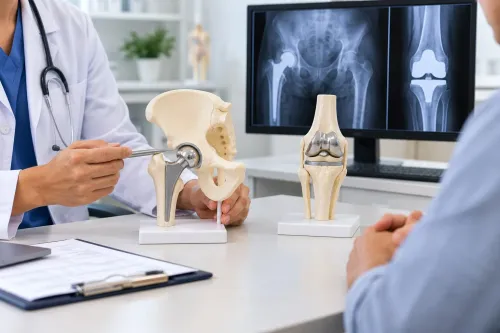
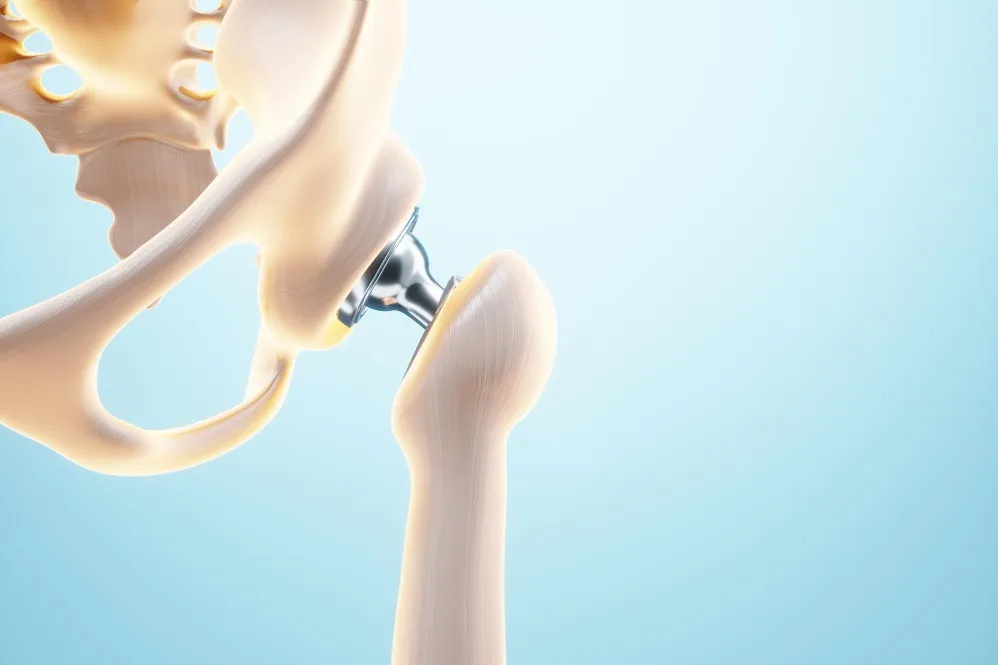
In total hip replacement, damaged parts of the hip joint are removed and replaced with artificial components. Implant design, fixation, bearing surfaces, and surgical approach may vary.
The surgeon should explain why a particular plan is appropriate for your anatomy, bone quality, age, health, and activity goals.
Questions to Ask the Surgeon
Before deciding, ask:
- What is the exact cause of my hip pain?
- Are there reasonable non-surgical alternatives?
- Why is replacement appropriate now?
- Which surgical approach do you use?
- What implant is proposed and why?
- What are the important risks?
- How will blood clots and infection be addressed?
- When may I stand and walk?
- What movements should I avoid?
- How long may I need walking support?
- When can I return to driving or work?
The answers should be individualized rather than presented as guarantees.
Evaluate the Hospital and Recovery Pathway
Hip replacement care requires coordinated surgical, anaesthesia, nursing, and rehabilitation support.
Look for a pathway that includes:
- Preoperative medical evaluation
- Management of diabetes and other conditions
- Infection-control procedures
- Pain-management planning
- Blood clot prevention
- Early mobilization
- Physiotherapy
- Wound-care guidance
- Scheduled follow-up
Patients with complex medical conditions may need additional specialist clearance.
Prepare Your Home and Support System
Before admission:
- Remove tripping hazards
- Arrange a stable chair
- Keep essentials within easy reach
- Plan bathroom safety
- Organize meals and household help
- Arrange transport
- Discuss stairs with the physiotherapist
- Identify a family member who can assist initially
In Pune, travel time and building access should be considered when planning follow-up and rehabilitation.
Understand Risks and Expectations
Potential complications include infection, blood clots, dislocation, fracture, leg-length difference, nerve or blood-vessel injury, implant loosening, and possible revision surgery. Individual risk depends on medical health and the complexity of the procedure.
Hip replacement commonly aims to reduce pain and improve useful mobility. Many patients can return to low-impact activities after recovery, but high-impact activity may not be advisable. The surgeon should clarify suitable long-term exercise.
Readiness Indicators
A patient is better prepared when they:
- Understand why surgery is recommended
- Have reviewed alternatives
- Have optimized medical conditions
- Know the important risks
- Have realistic activity goals
- Can participate in rehabilitation
- Have suitable home support
- Know whom to contact if problems arise
Dr Amit Laturkar Orthopedic Aundh provides evaluation for hip arthritis and replacement suitability for patients in Pune. The consultation should help patients and families understand whether surgery is necessary and how recovery will be managed.
Choosing a surgeon is ultimately about confidence in the clinical reasoning, safety process, communication, and continuity of care surrounding the operation.
Keywords