
Bone and joint discomfort can affect people of all ages, whether it develops gradually over time or begins after an injury. While occasional aches often improve with rest, persistent pain, swelling, stiffness, or difficulty moving should not be overlooked. Knowing when to consult an Orthopedic Doctor can help you receive the right diagnosis early and reduce the risk of long-term complications.
Orthopedic specialists diagnose and treat conditions affecting the bones, joints, muscles, ligaments, tendons, and spine. Many orthopedic concerns can be managed effectively with timely treatment, allowing patients to maintain their mobility and quality of life without unnecessary delays.
Understanding the Role of an Orthopedic Doctor
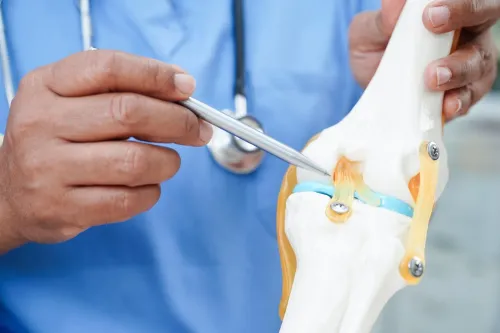
An orthopedic doctor focuses on disorders of the musculoskeletal system. Their expertise extends beyond treating fractures and includes managing chronic joint conditions, sports injuries, arthritis, tendon problems, and age-related orthopedic disorders.
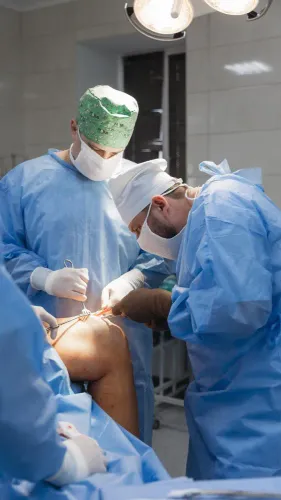
Treatment plans are tailored according to the patient's symptoms, lifestyle, age, medical history, and the severity of the condition. Depending on the diagnosis, care may involve medication, physiotherapy, lifestyle modifications, minimally invasive procedures, or surgery when clinically appropriate.
Common Conditions That Need Orthopedic Care
Many people assume orthopedic specialists only treat broken bones, but their scope of care is much broader. Some of the most common conditions include:
- Knee, hip, and shoulder pain
- Osteoarthritis and rheumatoid arthritis
- Sports injuries
- Ligament and tendon tears
- Fractures and trauma
- Back and neck pain
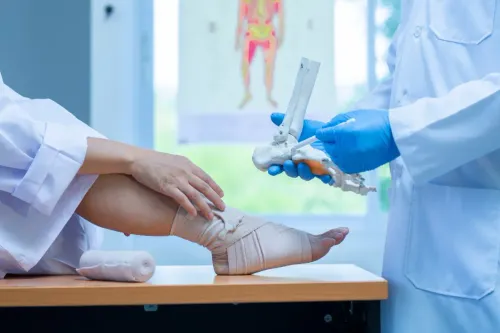
- Foot and ankle disorders
- Frozen shoulder
- Joint stiffness
- Cartilage injuries
Early assessment often helps identify the exact cause of pain before it begins affecting everyday activities.
Signs You Should Not Ignore
Your body often gives warning signs when something isn't right. Seeking medical attention early can prevent a minor issue from becoming a more complex problem.
Consider consulting an orthopedic specialist if you notice:
- Joint pain lasting more than two to three weeks
- Swelling that does not improve with rest
- Difficulty walking, climbing stairs, or lifting objects
- Reduced movement in a joint
- Pain that interferes with sleep
- Frequent joint instability
- A recent fall or sports injury
- Persistent back or neck pain
- Pain that returns repeatedly after physical activity
If these symptoms begin affecting your daily routine, an orthopedic evaluation can help determine the underlying cause and guide appropriate treatment.
Why Early Diagnosis Makes a Difference
Ignoring orthopedic symptoms may allow the condition to worsen over time. Cartilage damage, ligament injuries, arthritis progression, and untreated fractures can lead to reduced mobility and more complicated treatment later.
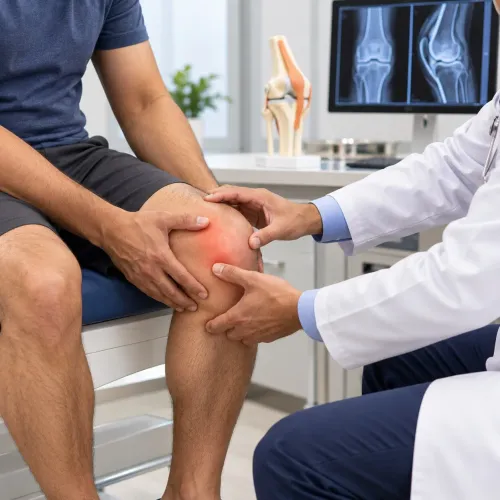
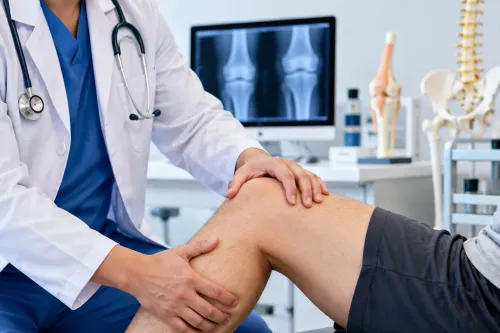
During an orthopedic consultation, the doctor typically reviews your medical history, understands your symptoms, performs a physical examination, and may recommend imaging tests such as X-rays, MRI scans, or CT scans when necessary.
Rather than simply focusing on pain relief, the goal is to identify the reason behind the symptoms and develop a treatment plan that supports long-term joint health.
Treatment Is Not Always Surgical
One of the biggest misconceptions about visiting an orthopedic doctor is that surgery is inevitable. In reality, many orthopedic conditions improve with non-surgical treatment, particularly when diagnosed early.
Depending on your condition, treatment may include:
- Activity modification
- Anti-inflammatory medication
- Physiotherapy and rehabilitation
- Strengthening and flexibility exercises
- Bracing or supportive devices
- Joint injections in selected cases
- Lifestyle and weight management advice
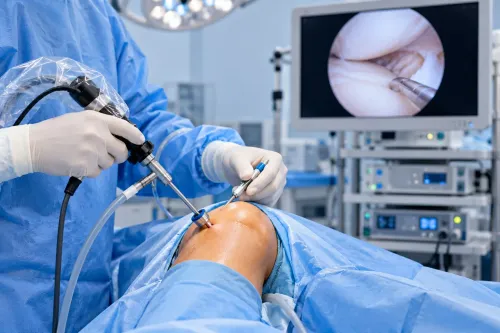
Surgical treatment is generally considered only when conservative options do not provide sufficient relief or when the injury requires operative management.
Everyday Habits That Support Joint Health
Healthy joints depend on consistent care throughout life. Simple lifestyle choices can help reduce unnecessary strain on bones and joints.
Some practical measures include:
- Maintaining a healthy body weight
- Staying physically active with low-impact exercises
- Strengthening muscles around major joints
- Practising proper posture while working
- Wearing supportive footwear
- Stretching before and after exercise
- Eating a balanced diet rich in calcium and vitamin D
- Avoiding repetitive movements without adequate rest
Preventive care can play an important role in maintaining mobility as you age.
Orthopedic Care Across Different Age Groups
Orthopedic concerns vary depending on age and lifestyle. Young athletes may experience ligament injuries or fractures, while working professionals often develop neck, back, or shoulder pain related to prolonged sitting or repetitive movements. Older adults are more likely to experience arthritis, osteoporosis, and degenerative joint conditions.
For residents of Aundh, Pune, having access to timely orthopedic care can help address these concerns before they begin affecting work, exercise, or everyday activities. Early consultation is particularly valuable for people who wish to remain active despite ongoing joint or bone problems.
Choosing the Right Orthopedic Specialist
Selecting an orthopedic doctor involves more than finding someone nearby. Look for a specialist who takes time to understand your symptoms, explains the diagnosis clearly, discusses both surgical and non-surgical treatment options, and develops an individualized care plan.
Patients seeking an Orthopedic Doctor often value a comprehensive approach that combines accurate diagnosis, evidence-based treatment, and rehabilitation to support long-term recovery. Dr. Amit Laturkar provides orthopedic evaluation for a wide range of musculoskeletal conditions, helping patients understand their options and make informed decisions about their care.
Seeking medical advice early can make a significant difference in preserving joint function and improving overall quality of life. Whether your symptoms are caused by an injury, arthritis, or everyday wear and tear, timely orthopedic assessment is an important step toward maintaining healthy movement and independence.
Keywords