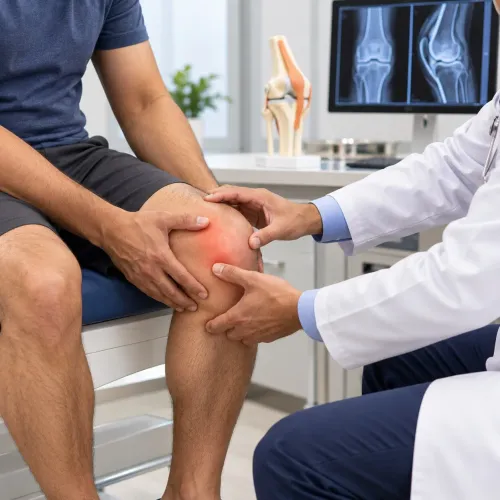
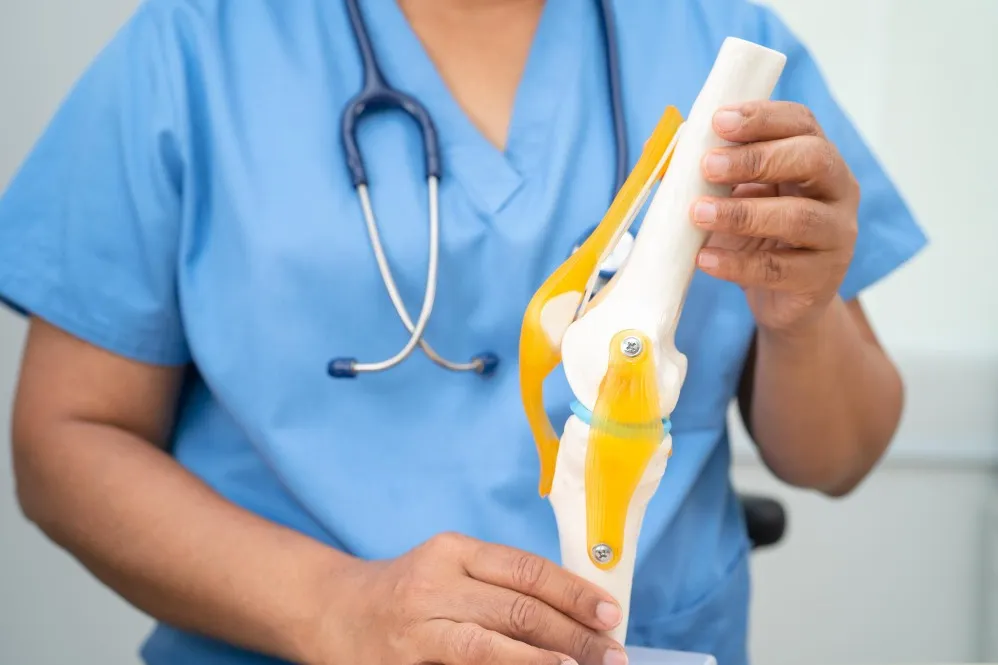
Joint pain is often blamed on age, long working hours, exercise, or temporary strain. While mild discomfort may settle with rest, persistent pain can indicate an injury or an underlying musculoskeletal condition that needs proper evaluation.
An Orthopedic Doctor in Aundh assesses problems involving bones, joints, muscles, ligaments, tendons, and related structures. Early consultation can help identify the cause before pain begins affecting mobility, sleep, work, or independence.
Signs That Orthopedic Evaluation May Be Necessary
Consider arranging an orthopedic consultation when you experience:
- Pain lasting longer than a few days
- Recurring swelling around a joint
- Difficulty walking or climbing stairs
- Reduced range of movement
- Pain after a fall or sports injury
- Joint stiffness that is worse in the morning
- A clicking, locking, or unstable joint
- Numbness or weakness after an injury
- Persistent back, shoulder, knee, hip, or ankle pain
- Difficulty placing weight on an injured limb
Sudden deformity, severe swelling, an open wound over a suspected fracture, loss of sensation, or an inability to bear weight requires prompt medical attention.
Common Causes of Bone and Joint Pain
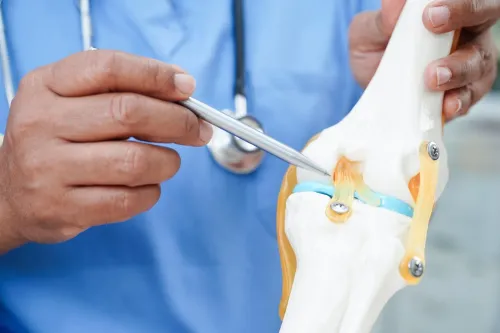
Joint discomfort can arise from several conditions. Osteoarthritis is one common cause, particularly in weight-bearing joints such as the knees and hips. It develops as protective joint cartilage deteriorates over time.
Pain may also result from:
- Ligament sprains
- Muscle or tendon injuries
- Meniscus tears
- Tendinitis
- Bursitis
- Fractures
- Repetitive strain
- Inflammatory arthritis
- Sports-related injuries
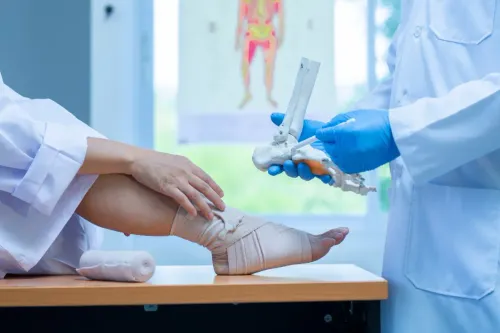
- Foot alignment problems
Two patients with pain in the same location may have very different conditions. This is why treatment based only on symptoms or internet advice may not provide lasting relief.
What Happens During an Orthopedic Consultation?
The consultation usually begins with a detailed discussion about when the pain started, what makes it worse, previous injuries, medical conditions, and current medications.
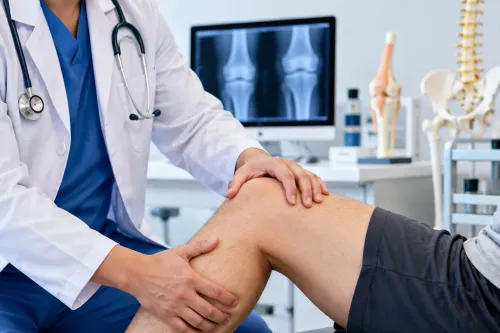
The physical examination may assess:
- Tenderness and swelling
- Joint movement
- Muscle strength
- Limb alignment
- Walking pattern
- Joint stability
- Nerve function and circulation
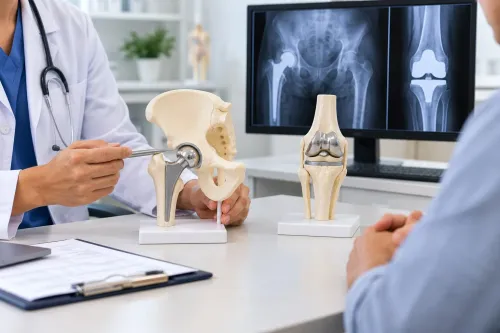
An X-ray may be recommended when a fracture, deformity, or arthritis is suspected. MRI, CT scanning, ultrasound, or blood tests are used selectively. Not every patient needs advanced imaging at the first visit.
Is Surgery Always Required?
Visiting an orthopedic doctor does not automatically mean surgery. Many musculoskeletal conditions initially respond to conservative care.
Depending on the diagnosis, management may include:
- Activity modification
- Ice or heat application
- Prescribed medication
- Physiotherapy
- Strength and mobility exercises
- Braces or supportive devices
- Weight-management guidance
- Joint or soft-tissue injections when appropriate
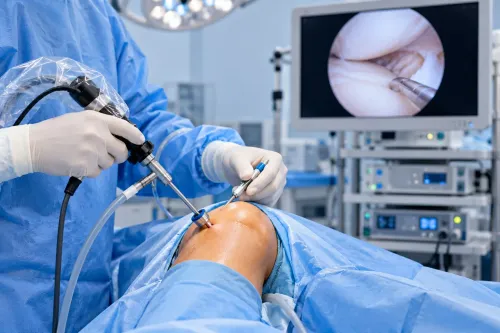
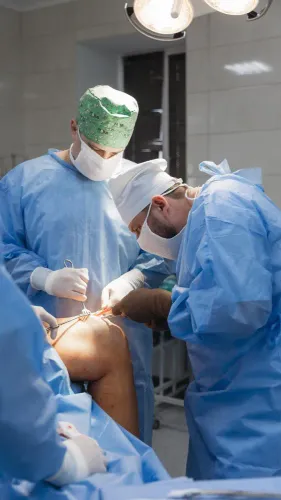
Surgery is generally considered when the condition is severe, an injury requires structural repair, or appropriate non-surgical care has not restored acceptable function.
Why Early Assessment Can Be Helpful
Continuing strenuous activity through pain can aggravate certain injuries. A minor ligament injury may develop into instability, while altered walking due to knee or foot pain can place additional stress on other joints.
Residents of Aundh and surrounding Pune neighbourhoods often balance desk-based work, commuting, gym routines, recreational sports, and household responsibilities. An individualized evaluation helps determine which activities can continue safely and which should temporarily be modified.
Dr Amit Laturkar Orthopedic Aundh provides assessment for joint pain, fractures, sports injuries, and conditions affecting the knee, hip, foot, and ankle. The value of consultation lies in obtaining a clear diagnosis and a treatment plan suited to the patient’s health, activity level, and functional goals.
Joint pain should not be ignored simply because it is tolerable. When discomfort persists, repeatedly returns, or restricts normal activity, an orthopedic evaluation can clarify the problem and support timely, appropriate care.
Keywords