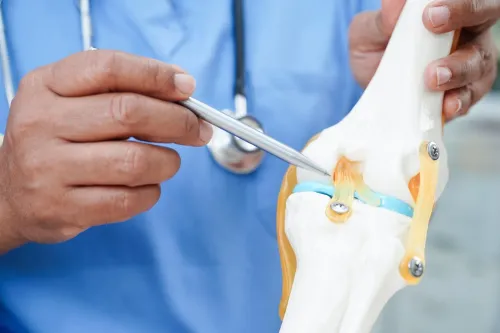
Hip pain can gradually affect every aspect of daily life, from walking and climbing stairs to sitting comfortably or getting a good night's sleep. While many hip conditions improve with medication, physiotherapy, and lifestyle changes, severe joint damage may require surgical intervention. Consulting a Hip Arthroplasty Surgeon can help you understand whether hip replacement surgery is appropriate for your condition and what to expect throughout the treatment journey.
Hip arthroplasty, commonly known as hip replacement surgery, is performed to relieve pain and improve mobility when the natural hip joint is significantly damaged. However, surgery is usually considered only after careful evaluation and when conservative treatment no longer provides sufficient relief.
What Is Hip Arthroplasty?
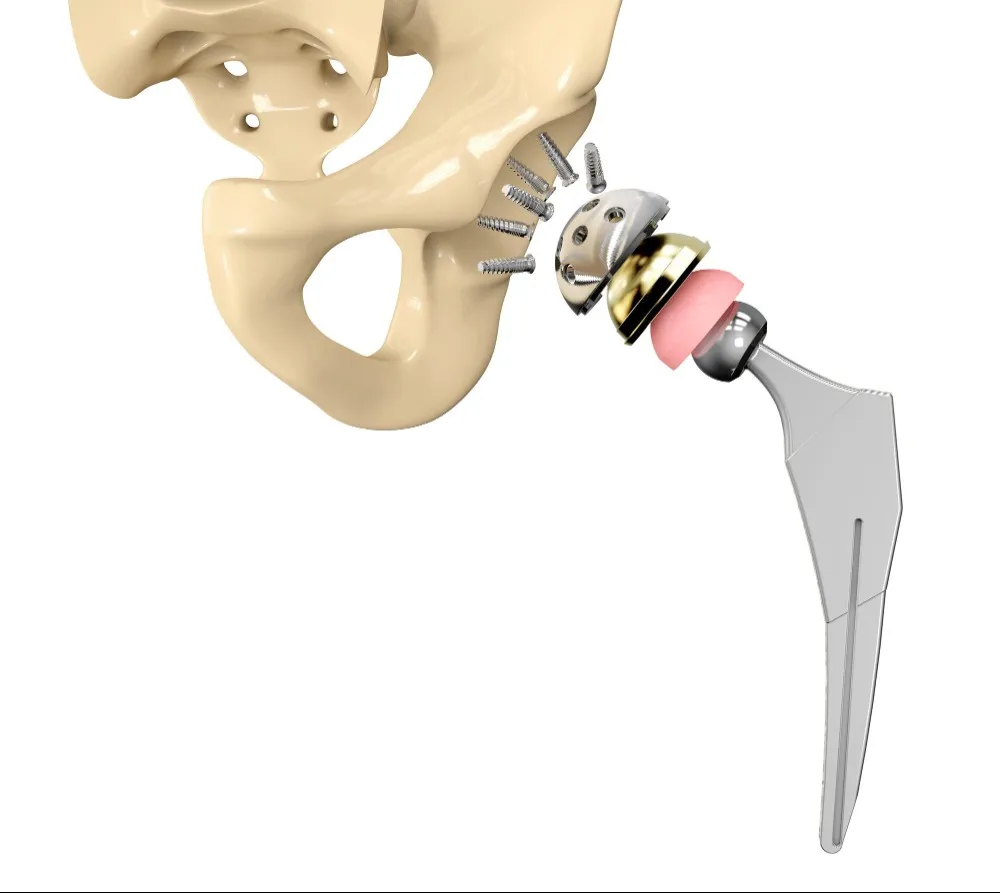
Hip arthroplasty is a surgical procedure in which the damaged parts of the hip joint are replaced with artificial implants designed to restore smooth movement and reduce pain.
The hip is a ball-and-socket joint that allows movement in multiple directions while supporting the body's weight. When the cartilage protecting the joint wears away, bones begin to rub against each other, leading to pain, stiffness, and restricted movement.
The primary goals of hip arthroplasty are to:
- Relieve chronic hip pain
- Improve joint movement
- Restore walking ability
- Enhance independence during daily activities
- Improve overall quality of life
Conditions That May Require Hip Replacement
Hip replacement surgery is recommended only after a comprehensive orthopedic evaluation. Several conditions can gradually damage the hip joint over time.
These include:
- Osteoarthritis
- Rheumatoid arthritis
- Avascular necrosis
- Hip fractures affecting the joint
- Post-traumatic arthritis
- Severe cartilage damage
- Certain congenital hip disorders
The severity of symptoms, rather than age alone, often plays an important role in deciding the most appropriate treatment.
When Should You Consult an Orthopedic Specialist?
Many people live with hip pain for years before seeking medical advice. However, persistent symptoms should not be ignored.
Consider an orthopedic consultation if you experience:
- Hip pain lasting several months
- Difficulty walking or climbing stairs
- Pain that interrupts sleep
- Stiffness after resting
- Reduced range of movement
- Difficulty putting on shoes or socks
- Limping while walking
- Limited improvement despite medication or physiotherapy
These symptoms may indicate progressive joint damage that requires further evaluation.
How Is the Decision Made?
A Hip Arthroplasty Surgeon in Pune considers multiple factors before recommending surgery.
The assessment usually includes:
- Medical history
- Physical examination
- Evaluation of walking pattern
- Assessment of joint movement
- X-rays
- MRI scans when required
- Overall health evaluation
- Previous treatment outcomes
The aim is to recommend surgery only when it is likely to provide meaningful improvement in pain and function.
Preparing for Hip Replacement
Preparation plays an important role in achieving good surgical outcomes.
Before surgery, patients may receive advice regarding:
- Blood investigations
- Medical fitness assessment
- Medication review
- Weight management
- Strengthening exercises
- Home preparation for recovery
- Physiotherapy planning
Understanding the rehabilitation process beforehand often helps patients recover with greater confidence.
Recovery After Hip Arthroplasty
Successful recovery depends on both the surgery and the patient's commitment to rehabilitation.
Recovery commonly includes:
- Early assisted walking
- Physiotherapy
- Muscle strengthening exercises
- Balance training
- Gradual increase in daily activities
- Regular follow-up appointments
Each patient's recovery timeline varies depending on age, medical condition, and adherence to rehabilitation recommendations.
Can Hip Replacement Improve Everyday Life?
Many appropriately selected patients experience significant improvements in mobility and comfort after recovering from hip replacement surgery. Daily activities such as walking, climbing stairs, and performing household tasks often become easier once rehabilitation is completed.
However, surgery should always be viewed as one part of a comprehensive treatment plan that also includes maintaining a healthy weight, staying active, and following long-term orthopedic advice.
Accessing Specialized Hip Care
Residents across Pune frequently seek orthopedic consultation when persistent hip pain begins affecting their independence and quality of life. Meeting with a Hip Arthroplasty Surgeon allows patients to understand both conservative and surgical treatment options before making an informed decision.
Dr. Amit Laturkar provides comprehensive evaluation for patients experiencing chronic hip disorders, offering individualized treatment recommendations based on careful clinical assessment, diagnostic findings, and each patient's functional goals. Every treatment plan is designed to support safe recovery while focusing on long-term joint health and mobility.
Persistent hip pain should not be accepted as an inevitable consequence of ageing. Early orthopedic evaluation can identify the underlying cause, guide appropriate treatment, and help patients maintain an active and independent lifestyle for years to come.
Keywords