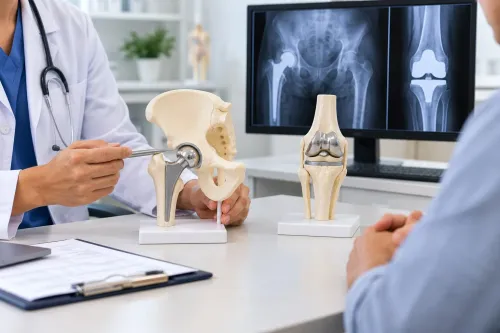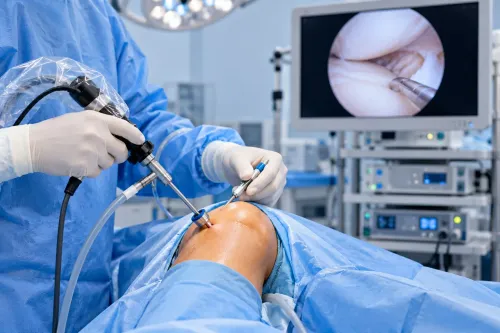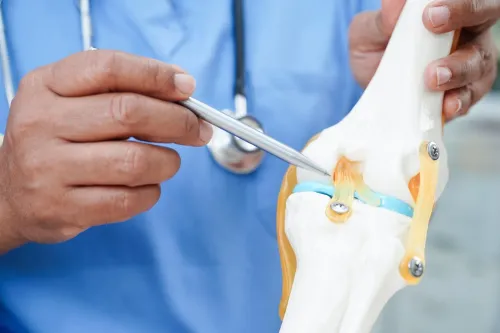
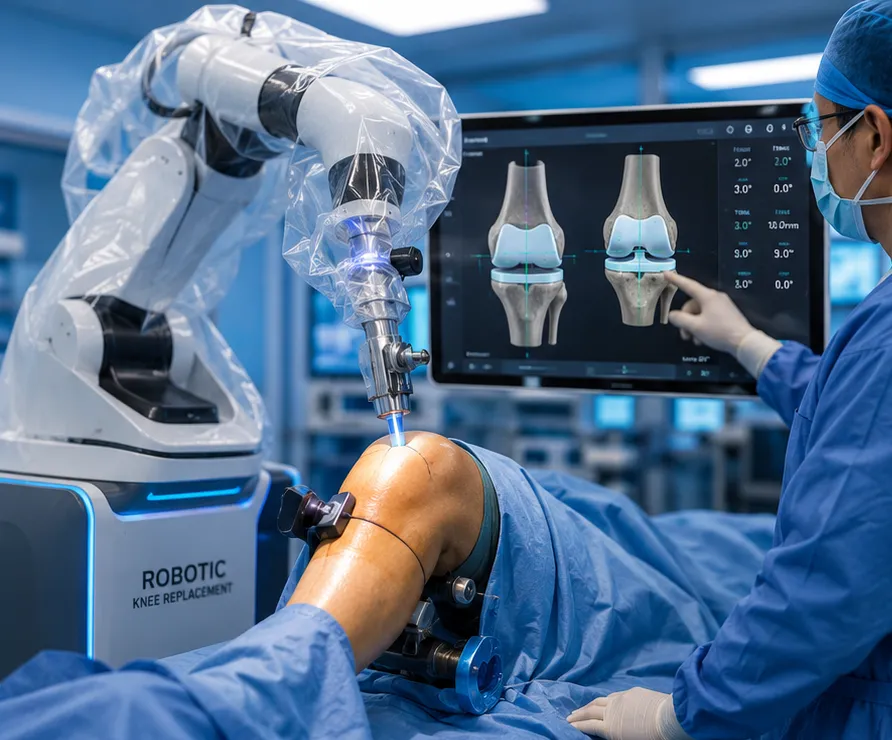
For people living with advanced knee arthritis, even simple activities like walking, climbing stairs, or standing for long periods can become increasingly painful. When non-surgical treatments no longer provide adequate relief, knee replacement surgery may be recommended. In recent years, robotic-assisted technology has become an important advancement in orthopedic surgery, leading many patients to ask whether it offers advantages over conventional techniques. Consulting a Robotic Knee Replacement Surgeon can help you understand how the procedure works and whether it is suitable for your condition.
It is important to understand that robotic knee replacement does not mean a robot performs the surgery independently. The procedure is carried out entirely by the orthopedic surgeon, with robotic technology providing greater precision during specific stages of the operation.
Understanding Robotic Knee Replacement
Robotic-assisted knee replacement combines the surgeon's expertise with advanced computer-guided technology. Before surgery, detailed imaging and digital planning help create a personalized surgical plan based on the patient's knee anatomy.
During the procedure, the robotic system assists the surgeon by providing real-time information that helps improve the accuracy of bone preparation and implant positioning.
The surgeon remains in complete control throughout the surgery and makes every clinical decision.
How Is It Different from Conventional Knee Replacement?
Both traditional and robotic-assisted knee replacement aim to relieve pain and improve joint function. The primary difference lies in the level of planning and precision available during surgery.
Robotic-assisted procedures may offer:
- More individualized surgical planning
- Improved implant positioning
- Greater precision during bone preparation
- Better assessment of joint alignment
- Real-time feedback throughout the procedure
While these technological benefits are valuable, the overall outcome also depends on factors such as the patient's health, rehabilitation, and the surgeon's experience.
Who May Be a Suitable Candidate?
Not every patient with knee pain requires robotic-assisted surgery.
A detailed orthopedic evaluation helps determine whether the procedure is appropriate. It may be considered for individuals with:
- Advanced knee osteoarthritis
- Chronic knee pain affecting daily life
- Significant limitation in movement
- Poor response to medication and physiotherapy
- Knee deformities requiring surgical correction
- Progressive joint degeneration confirmed through clinical assessment
The decision is based on individual clinical findings rather than technology alone.
What Happens Before Surgery?
Preparation begins well before the operation.
Your orthopedic specialist may recommend:
- Clinical examination
- X-rays or advanced imaging
- Blood investigations
- Medical fitness assessment
- Medication review
- Pre-operative physiotherapy
- Strengthening exercises
Understanding the procedure and discussing realistic expectations are equally important parts of surgical planning.
What Should Patients Expect During Recovery?
Recovery after robotic knee replacement is similar in many ways to conventional knee replacement. Early movement and structured rehabilitation remain essential for achieving good long-term results.
Recovery generally focuses on:
- Pain management
- Early walking under supervision
- Knee mobility exercises
- Muscle strengthening
- Balance training
- Gradual return to daily activities
Following the prescribed rehabilitation programme consistently plays a major role in regaining mobility and function.
Common Questions About Robotic Knee Replacement
Is robotic surgery completely automated?
No. The orthopedic surgeon performs the surgery. The robotic system functions as an advanced surgical assistance tool that supports precision and planning.
Does everyone need robotic knee replacement?
No. The most suitable surgical approach depends on the patient's condition, anatomy, overall health, and the surgeon's assessment.
Is recovery faster?
Recovery varies from one patient to another. Factors such as age, general health, muscle strength, rehabilitation, and adherence to physiotherapy often influence the recovery timeline more than the surgical technology itself.
Will the surgery eliminate all pain?
The primary aim is to reduce pain caused by damaged joint surfaces and improve mobility. Individual outcomes vary depending on several medical and personal factors.
The Importance of Choosing an Experienced Surgeon
Technology is only one part of successful orthopedic care. Accurate diagnosis, careful surgical planning, appropriate patient selection, and structured rehabilitation all contribute to positive outcomes.
When evaluating treatment options, patients should look for an orthopedic specialist who explains both conventional and robotic-assisted techniques, discusses expected benefits and limitations, and recommends the approach most appropriate for their specific condition.
Access to Advanced Orthopedic Care in Pune
Patients across Pune who are exploring modern treatment options for severe knee arthritis often seek consultation with a Robotic Knee Replacement Surgeon to understand whether robotic-assisted surgery aligns with their clinical needs.
Dr. Amit Laturkar evaluates patients with advanced knee disorders through comprehensive orthopedic assessment and discusses both non-surgical and surgical treatment options based on evidence-based medical practice. The focus remains on recommending the most appropriate treatment for each individual rather than adopting a single approach for every patient.
Advancements in orthopedic technology continue to improve surgical planning and precision, but the decision to undergo robotic knee replacement should always be based on a thorough clinical evaluation, informed discussion, and realistic expectations. With the right treatment plan and commitment to rehabilitation, many patients are able to return to everyday activities with improved comfort and confidence.
Keywords