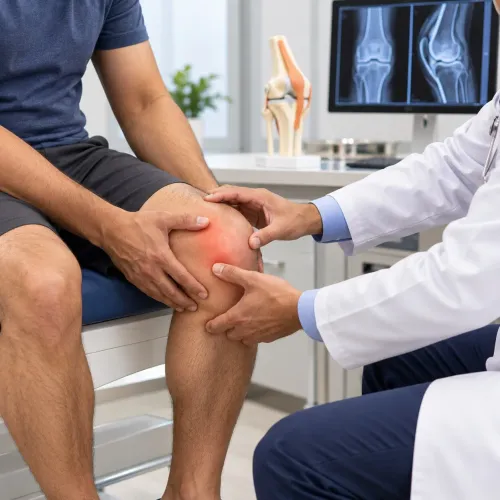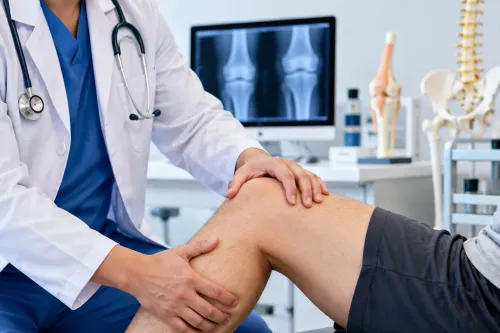
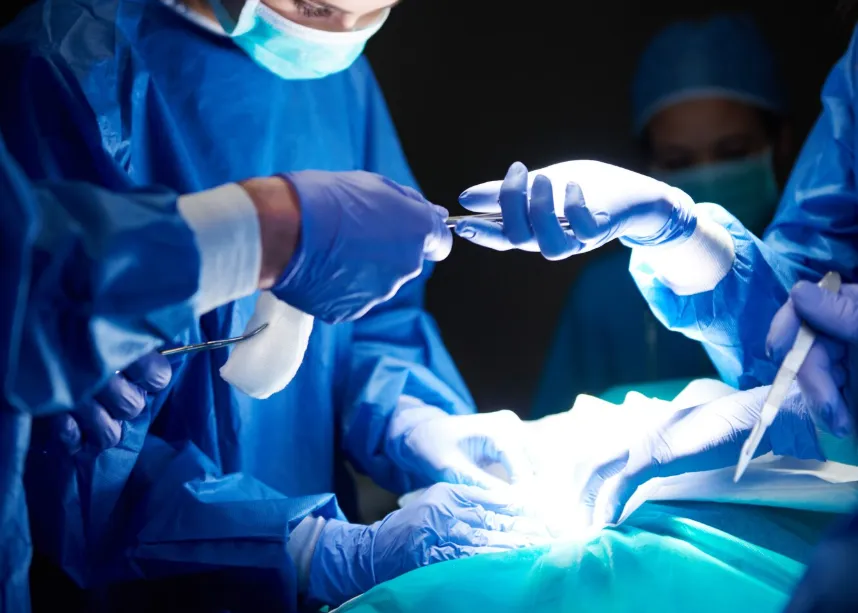
Orthopedic care is frequently associated only with fractures. In reality, an Orthopedic Surgeon in Sanghvi may diagnose and manage a broad range of conditions affecting movement, stability, strength, and everyday function.
The musculoskeletal system includes bones, joints, cartilage, muscles, tendons, ligaments, and supporting tissues. A problem in any of these structures can cause pain or limit mobility.
Joint Conditions and Arthritis
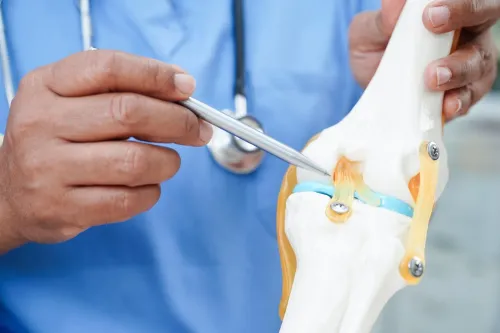
Arthritis can affect the knees, hips, shoulders, ankles, hands, and other joints. Osteoarthritis develops as cartilage deteriorates, while inflammatory disorders can damage joints through persistent inflammation.
Common symptoms include:
- Pain during activity
- Morning stiffness
- Swelling
- Reduced movement
- Grinding or clicking
- Difficulty walking or using stairs
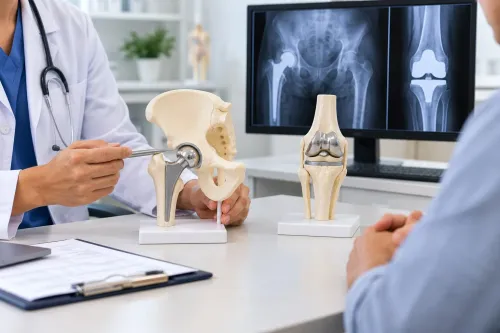
Early treatment may involve exercise, physiotherapy, medication, activity changes, or injections. Joint replacement may be discussed only when advanced damage causes substantial pain and disability despite suitable non-surgical treatment.
Sports and Exercise-Related Injuries
Sports injuries affect professional athletes, recreational players, runners, gym users, and people beginning a new fitness routine.
Orthopedic assessment may be needed for:
- Ligament sprains or tears
- Meniscus injuries
- Tendon problems
- Muscle strains
- Shoulder instability
- Recurrent ankle sprains
- Stress fractures
- Cartilage injuries
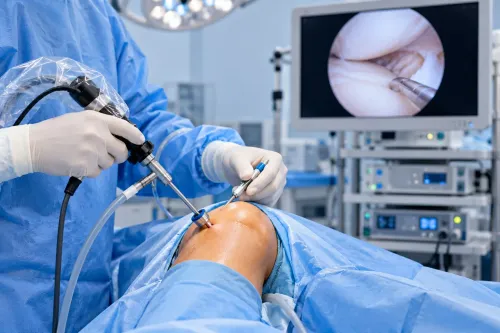
Treatment depends on the injured structure, severity, and activity goals. Some injuries recover through protected activity and rehabilitation, while complete tears or unstable injuries may require surgery.
Foot and Ankle Problems
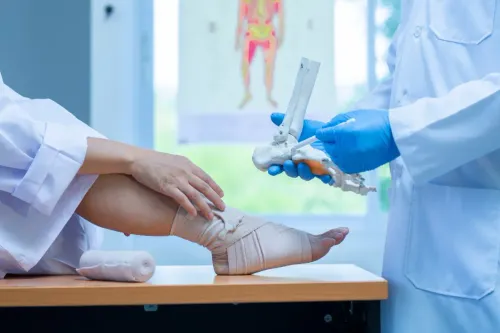
Foot and ankle pain can alter walking and place extra stress on the knees, hips, or back. Common concerns include heel pain, bunions, ankle instability, flat feet, tendon injuries, fractures, and deformities.
An orthopedic evaluation considers footwear, alignment, walking pattern, strength, and activity demands. Treatment may include stretching, physiotherapy, footwear changes, orthoses, bracing, or surgery in selected cases.
Trauma and Fracture Care
Fractures vary from simple, stable cracks to displaced or open injuries. Treatment may involve a splint, plaster cast, brace, reduction, or surgical fixation.
Urgent evaluation is important after an injury when there is:
- Visible deformity
- Inability to use the limb
- Severe swelling
- Increasing pain
- Numbness or coldness
- Broken skin near the injury
After the bone heals, rehabilitation may still be necessary to restore joint movement, muscle strength, and confidence.
Tendon and Soft-Tissue Disorders
Pain may arise from tendons and surrounding tissues rather than the bone itself. Examples include rotator cuff problems, tennis elbow, Achilles tendinopathy, trigger finger, and bursitis.
These conditions may develop through repetitive activity, unsuitable technique, sudden overload, or age-related tissue changes. Diagnosis is important because prolonged rest is not always the answer. A structured return to movement is often more beneficial.
When Is Orthopedic Surgery Considered?
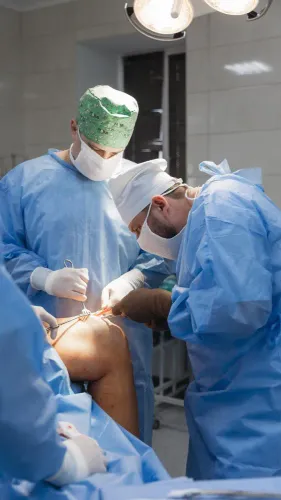
The term “surgeon” describes specialist training; it does not mean every patient needs an operation. Surgical treatment may be considered when:
- A fracture is unstable or displaced
- A tendon or ligament has a significant tear
- A joint has advanced structural damage
- Pain remains disabling despite appropriate care
- Nerve or circulation is threatened
- Deformity substantially affects function
For residents of Sanghvi and the wider Pune region, access to assessment close to home can make follow-up and rehabilitation easier. Patients may need several reviews rather than a single appointment, especially after fractures or surgery.
Dr Amit Laturkar Orthopedic Aundh evaluates orthopedic injuries and joint conditions with treatment based on clinical findings, imaging when required, and individual needs. Understanding the full scope of orthopedic care helps patients seek the right evaluation instead of waiting until pain becomes severe.
Keywords