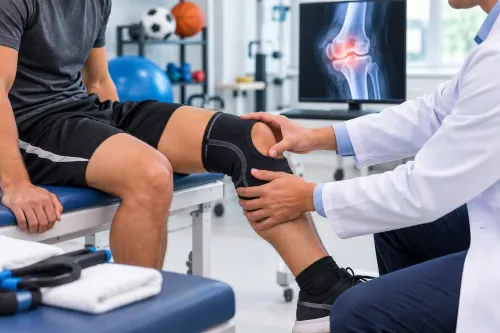
Recovery depends on what you do after discharge: protect the incision, take medicines correctly, walk safely and regain knee movement through planned physiotherapy. A clear review schedule also helps you identify normal swelling and stiffness before they become confused with infection, a blood clot or a rehabilitation problem.
Key takeaways
- Keep every review from discharge through the first year.
- Report calf swelling, chest pain, breathlessness or wound discharge urgently.
- Use walking aids and stairs exactly as your surgeon and physiotherapist advise.
- Track pain, movement, walking ability and knee stability at each review.
Your follow-up timeline from discharge to the first year
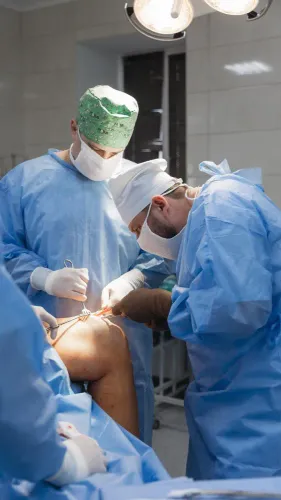
Discharge usually occurs after 1–3 days, once pain is controlled, the incision is satisfactory, you can walk with help, and home support is arranged. Robotic assistance does not shorten this basic aftercare: bone preparation may be more precisely planned, but you still need wound checks, blood-clot prevention, exercises and scheduled reviews.
- Days 1–3: The team checks walking, pain medicines, swelling, the dressing and anticoagulant instructions. You leave with a walker or crutches, exercises and a review date.
- Days 7–14: The first clinic visit examines the incision, drainage, redness, swelling, range of motion and walking pattern. Sutures or staples are removed when the wound is ready, and medicines or physiotherapy are adjusted.
- Weeks 3–6: Review your pain trend, sleep, bending and straightening, walking aid use, muscle control and physiotherapy record. Do not stop anticoagulants or add aspirin without asking the treating team.
- Weeks 6–12: The assessment focuses on gait, stairs, strength, knee stability and daily activities. An X-ray is added when the surgeon needs to assess alignment or the implant.
- Months 3–12: Reviews track function, lingering stiffness or pain, work and activity goals, and whether exercises need progression. Seek urgent advice rather than waiting for an appointment for new calf swelling, chest pain or sudden breathlessness.
For robotic knee replacement surgery follow up care in Pune, carry your discharge summary, medication list, physiotherapy record and new-symptom list to every visit. Confirm who answers wound or medication questions between appointments and where after-hours urgent review occurs.
Wound, pain and blood-clot checks: normal recovery versus danger signs
Swelling, bruising, stiffness and pain that improve with prescribed medicine, icing and elevation are usually manageable at home. Use ice for 15–20 minutes at a time, keep the leg elevated, change dressings as instructed, and keep the incision dry until your surgical team permits showering.
Do not add paracetamol or an anti-inflammatory drug without checking the prescription.
| Situation | What you may notice | Action |
|---|---|---|
| Expected recovery | Mild drainage on the dressing, bruising, stiffness and pain that gradually ease | Continue the prescribed plan and record changes |
| Same-day review | Redness spreading around the incision, increasing warmth, pus, persistent wound leakage, fever of 38°C or higher, or pain and swelling that suddenly worsen | Contact the surgeon or designated urgent clinic that day |
| Emergency | New one-sided calf or thigh swelling, severe calf pain, sudden breathlessness, chest pain, coughing blood, fainting or a rapid heartbeat | Call emergency services immediately; do not drive yourself |
A wet or loose dressing needs prompt instructions; do not seal drainage under a new covering without guidance. Take blood-thinning medicine exactly as prescribed and report unusual bleeding.
Robotic knee surgery aftercare in Pune still needs a clear after-hours contact and an urgent-review location. Keep your discharge summary and medication list available, and seek help rather than waiting for the next scheduled appointment when symptoms are worsening.
Walking aids, stairs and physiotherapy that build knee function
Use the walker until you can stand upright, take even steps and turn without your knee buckling. Move the walker forward, place the operated leg inside it, then step through with the stronger leg. Keep all four walker tips on the floor; do not pull yourself up by the frame.
Progress to crutches only when your physiotherapist confirms your balance and weight-bearing limit. With two crutches, move them forward together, step with the operated leg, then bring the stronger leg through. Use a cane in the hand opposite the operated knee, advancing the cane and operated leg together.
Do not discard an aid because pain has improved if you still limp, sway or need support.
Stairs require a handrail and one step at a time. Going up, lead with the stronger leg; going down, lead with the operated leg and aid. Remember: “up with the good, down with the operated.” Ask someone to guard you during early practice, and never use stairs while carrying loose items.
Your physiotherapy programme should build extension, bending, quadriceps strength and balance without forcing a stiff knee. Complete prescribed ankle pumps, heel slides, thigh-tightening exercises and walking intervals, then rest and elevate if swelling increases.
- Reduce aid support only when your therapist sees steady walking, controlled turns, safe stair use and no increase in swelling after exercise.
- Report repeated buckling, worsening stiffness, inability to straighten the knee or pain that stops basic exercises.
These decisions form practical knee surgery recovery care in Pune, especially when traffic or distance makes frequent therapy visits difficult.
What the review measures after total or partial knee replacement
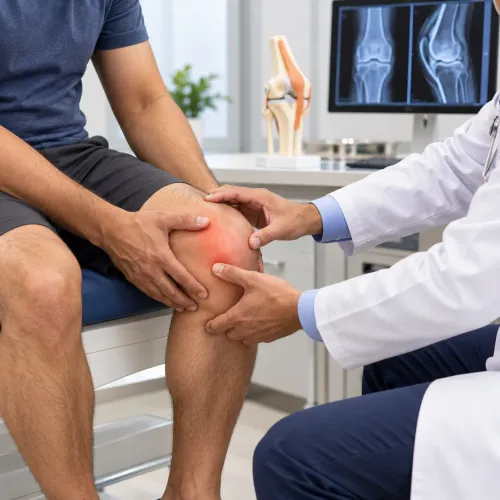
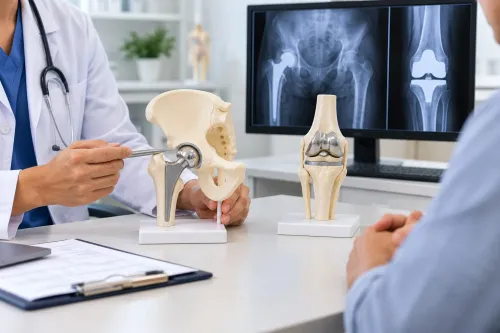
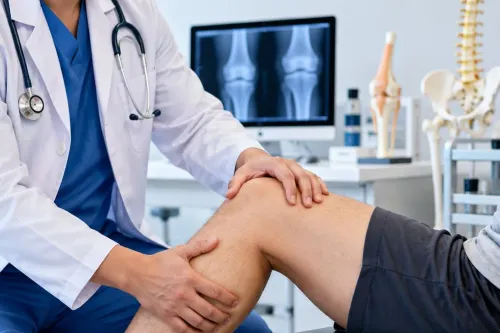
Appointments assess more than an X-ray: the clinician checks the incision, swelling, pain, range of motion, knee stability, walking pattern and ability to manage daily tasks. Imaging helps confirm implant position and alignment, while examination shows whether the knee is gaining useful function.
At each review, discuss pain-medicine use, anticoagulant doses, physiotherapy exercises and barriers such as poor sleep or difficulty climbing stairs. The same core measures apply after total and partial replacement, although a partial replacement review also considers how the preserved compartments and ligaments are functioning.
Bring these items so the appointment leads to specific decisions:
- Discharge summary and operation details
- Current medication list, including anticoagulant dose and missed doses
- Physiotherapy record with achieved flexion and extension
- Notes on walking distance, stairs, sleep and new symptoms
- Questions about exercise progression, driving and work
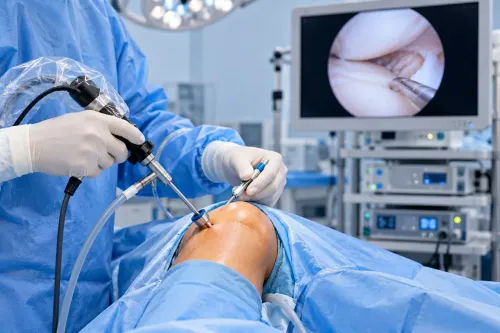
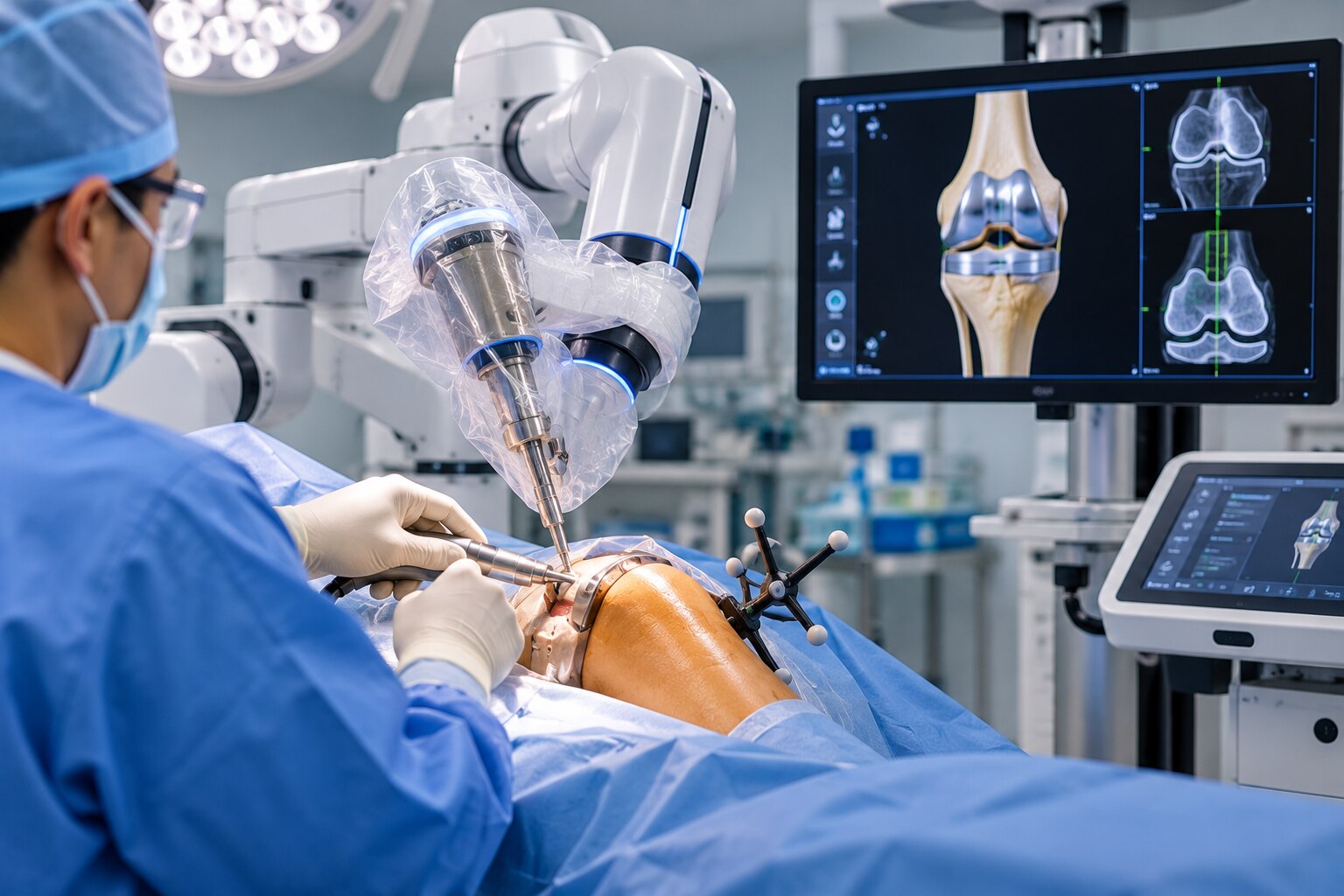
Robotic assistance helps plan alignment and guide bone preparation; it does not remove walking practice, prescribed exercises, wound observation, clot prevention or scheduled reviews. Rehabilitation still advances according to strength, balance, range of motion and gait, not the surgical label or an early reduction in pain.
Running and jumping require clearance because reduced pain does not prove that the tissues and implant are ready.
For a knee replacement follow up Aundh appointment, ask how progress is recorded and who reviews medication or rehabilitation problems between visits. Consistent communication matters more than whether robotic technology was used.
Choosing practical continuity for follow-up in Aundh and Sanghvi Nagar
Confirm the handover before booking a local appointment. Your operating surgeon should agree that the Pune clinic can review you, receive the discharge summary and imaging, and contact the surgical team when a wound, medication or mobility decision falls outside routine care.
| Confirm before booking | Why it matters | Ask the clinic |
|---|---|---|
| Who handles questions | Delays can affect wound and clot treatment | Who answers after hours, and where should you go urgently? |
| Record sharing | Missing details can lead to incorrect medication or exercise advice | Can you send the discharge summary, implant details, scans and physiotherapy notes? |
| Rehabilitation communication | Progress depends on strength, balance and range of motion, not pain alone | Will the clinician and physiotherapist update each other? |
| Travel arrangements | Long journeys through Pune traffic can make frequent reviews impractical | Can visits be grouped, and which symptoms require an in-person review? |
At each local review, bring your medication list, anticoagulant instructions, physiotherapy record and new-symptom list. The clinician should inspect the incision, swelling and walking pattern, check range of motion, review pain medicines and anticoagulation, and decide whether rehabilitation or activity needs adjustment.
Dr Amit Laturkar Orthopedic in Aundh | 08048035468 can support knee surgery recovery care in Pune by helping assess these post-discharge decisions and directing urgent concerns to the operating team. A search for a robotic knee surgeon Sanghvi should therefore compare continuity arrangements, not only surgical technology or location.
Related services
Robotic Knee Replacement Surgeon in Pune Robotic Knee Replacement Surgeon in Aundh, Sanghvi, Pune Dr. Amit Mohan Laturkar is the Leading Robotic Knee Replacement Surgeon in Aundh, Sanghvi and Pune. View service → |
Robotic Knee Replacement Surgeon in Pune Robotic Knee Replacement Surgery (300+ surgeries) Dr, Amit Mohan Laturkar is the Best Robotic Knee Replacement Surgeon in Pune. View service → |
Frequently asked questions
When does follow-up begin after robotic knee replacement surgery?
Follow-up begins after discharge and continues through wound checks, rehabilitation reviews and functional assessments during the first year.
Which symptoms need urgent medical attention after knee replacement?
Seek urgent help for chest pain, breathlessness, sudden calf swelling, heavy bleeding, fever or increasing wound redness and discharge.
How do walking aids, stairs and physiotherapy support recovery?
Walking aids reduce fall risk, stair technique protects the operated leg, and prescribed exercises rebuild knee movement, strength and function.
What does the surgeon measure during knee replacement reviews?
Reviews assess wound healing, pain, swelling, knee movement, walking ability, stability, strength and progress toward daily activities.
Keywords