A fall, road traffic accident, sports injury, or workplace mishap can result in injuries that range from minor bruises to serious fractures. While some injuries may seem manageable at first, delaying medical evaluation can sometimes lead to improper healing, prolonged pain, or reduced joint function. Knowing when to consult a Trauma and Fracture Specialist is essential for receiving timely treatment and improving recovery.
Trauma care focuses on diagnosing and treating injuries affecting bones, joints, muscles, ligaments, and surrounding soft tissues. Prompt orthopedic assessment helps determine the severity of the injury and ensures that the most appropriate treatment is started without unnecessary delay.
What Is the Difference Between a Fracture and a Sprain?
Many people assume that every painful injury is a fracture. In reality, fractures and sprains affect different structures of the body.
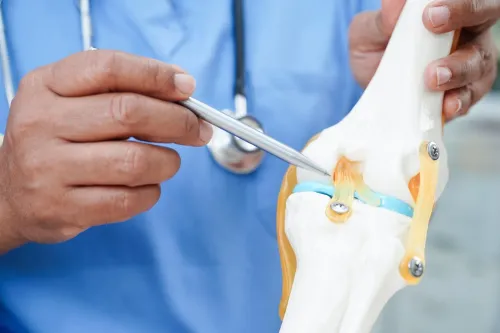
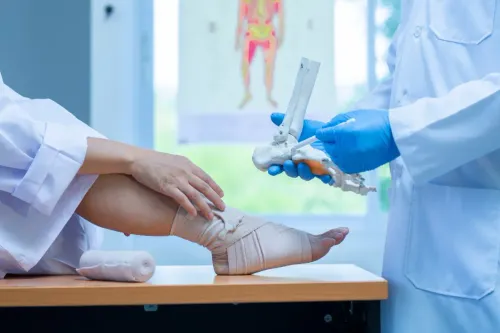
A fracture is a break or crack in a bone, while a sprain involves stretching or tearing of ligaments that support a joint. Both conditions can cause pain and swelling, making it difficult to distinguish between them without a proper medical examination.
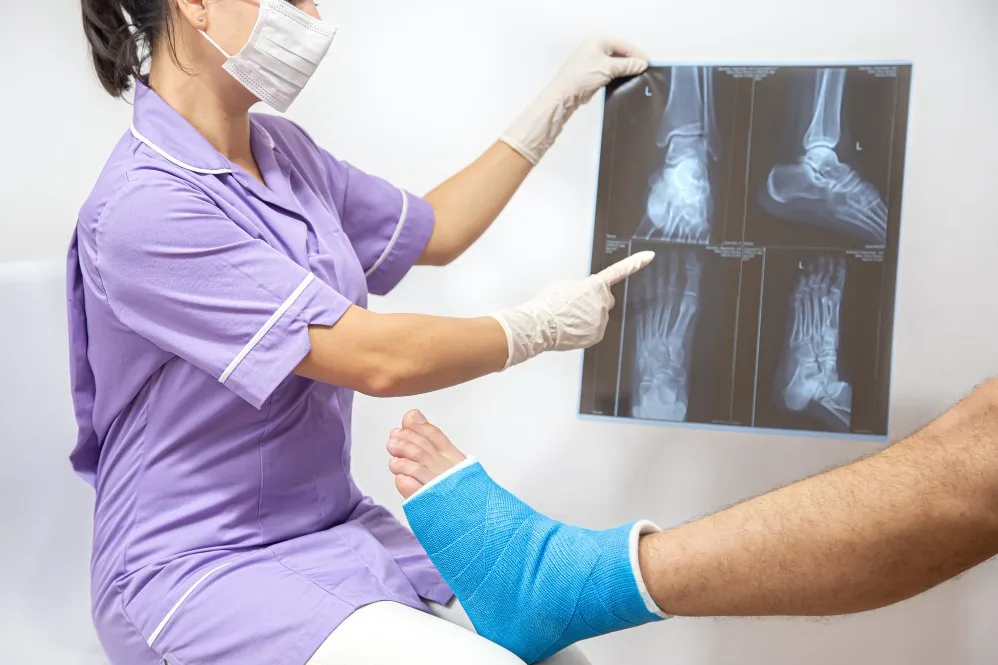
Since symptoms often overlap, imaging tests such as X-rays may be required to confirm the diagnosis.
Common Causes of Fractures
Bone fractures can occur in people of all age groups. Some of the most common causes include:
- Road traffic accidents
- Falls at home or outdoors
- Sports-related injuries
- Workplace accidents
- Osteoporosis-related fragility fractures
- High-impact recreational activities
Older adults are generally at a higher risk because age-related bone loss can make bones more susceptible to fractures even after relatively minor falls.
Signs That May Indicate a Fracture
Although every injury is different, certain symptoms should never be ignored.
Seek immediate orthopedic evaluation if you experience:
- Severe pain after an injury
- Swelling around the affected area
- Difficulty moving the injured limb
- Inability to bear weight
- Visible deformity
- Bruising that continues to spread
- A snapping or cracking sensation during the injury
- Persistent pain despite rest
Even if symptoms appear mild initially, untreated fractures may become more complicated over time.
Why Early Diagnosis Is Important
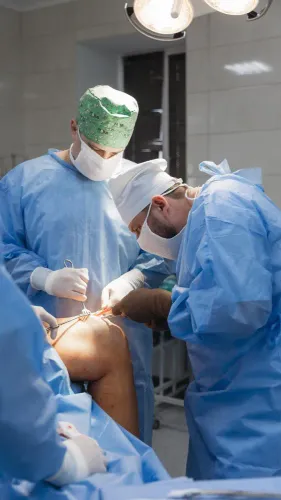
Prompt evaluation helps identify the type, location, and severity of the fracture. Some fractures remain stable and heal with immobilization, while others may require surgical treatment to restore proper alignment.
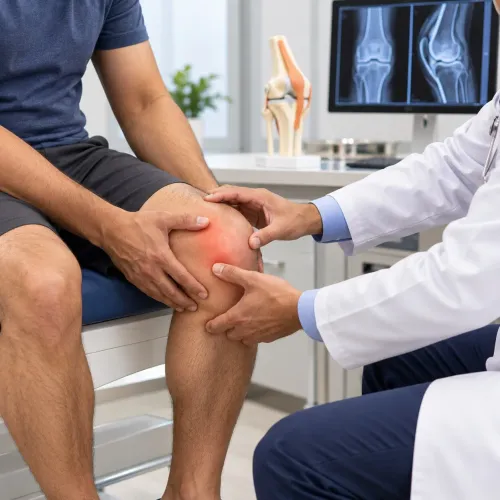
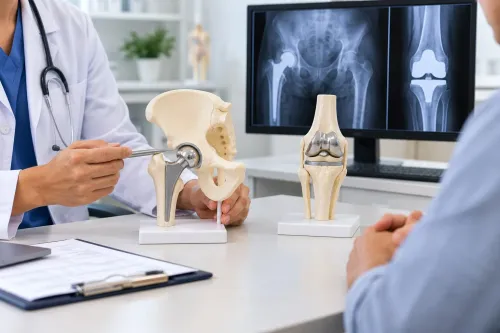
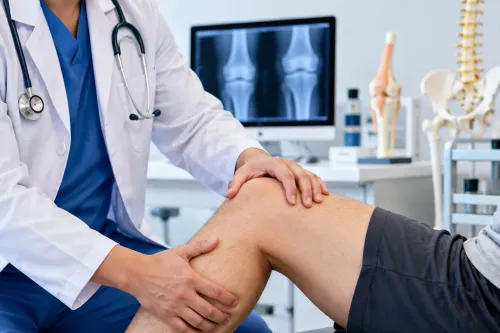
An orthopedic assessment typically includes:
- Detailed medical history
- Physical examination
- X-rays
- CT scan or MRI in selected cases
- Assessment of nearby joints and soft tissues
Early diagnosis also helps identify associated injuries involving ligaments, tendons, nerves, or blood vessels that may require additional treatment.
Treatment Depends on the Injury
There is no single treatment suitable for every fracture.
Management depends on several factors, including:
- Type of fracture
- Bone involved
- Degree of displacement
- Patient's age
- Overall health
- Activity level
Treatment options may include:
- Splints or casts
- Braces
- Closed reduction
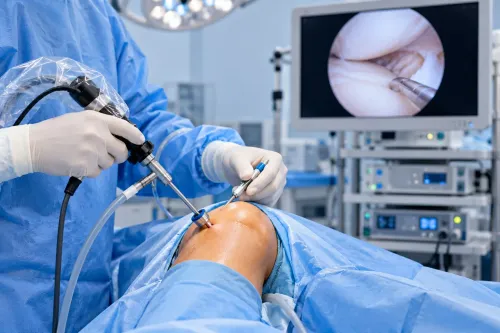
- Surgical fixation using plates, screws, or rods
- Physiotherapy after bone healing
The goal is to restore normal bone alignment while preserving joint function and mobility.
Recovery Continues After the Bone Heals
Bone healing is only one part of recovery. Muscles often become weaker after prolonged immobilization, and joints may become stiff.
Rehabilitation commonly includes:
- Range-of-motion exercises
- Muscle strengthening
- Balance training
- Walking practice where appropriate
- Functional rehabilitation
- Gradual return to work or sports
Following rehabilitation instructions carefully can improve overall recovery and reduce the likelihood of long-term stiffness.
Preventing Fractures
While accidents cannot always be avoided, several preventive measures can reduce the risk of fractures.
These include:
- Maintaining good bone health through proper nutrition
- Regular weight-bearing exercise
- Using protective equipment during sports
- Wearing supportive footwear
- Making homes safer for older adults by reducing fall hazards
- Managing osteoporosis when diagnosed
- Seeking medical advice after repeated falls
Strong bones combined with good balance and muscle strength contribute significantly to injury prevention.
Accessing Specialized Trauma Care
People living in Pune often require prompt orthopedic assessment after accidents or injuries to ensure fractures are diagnosed accurately and treated appropriately. Consulting a Trauma and Fracture Specialist allows patients to receive timely evaluation, understand the severity of their injury, and begin an appropriate treatment plan without unnecessary delays.
Dr. Amit Laturkar provides comprehensive assessment for fractures and orthopedic trauma, focusing on accurate diagnosis, evidence-based treatment, and structured rehabilitation based on each patient's individual needs. Every treatment decision is guided by the nature of the injury and the patient's long-term functional goals.
A fracture should never be dismissed as 'just a bad fall.' Early orthopedic care can support proper healing, restore movement, and help patients return safely to their normal daily activities with confidence.
Keywords