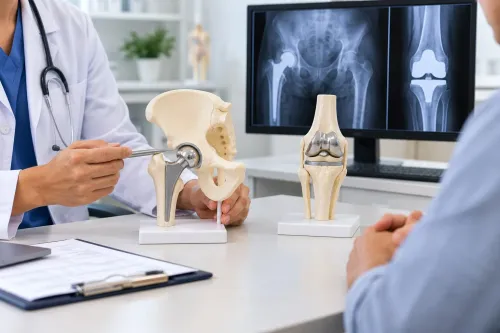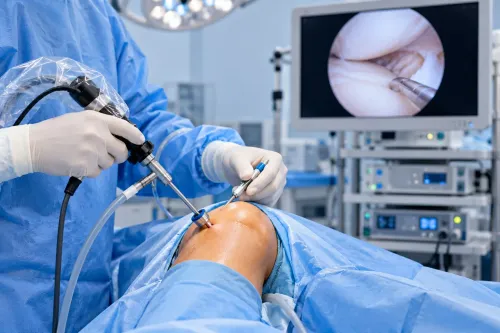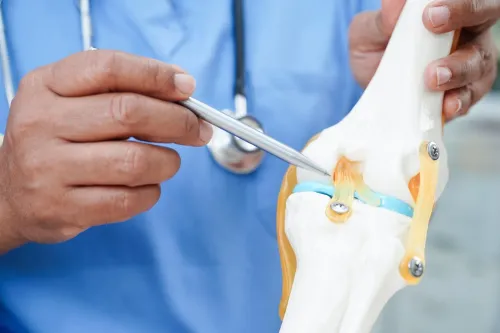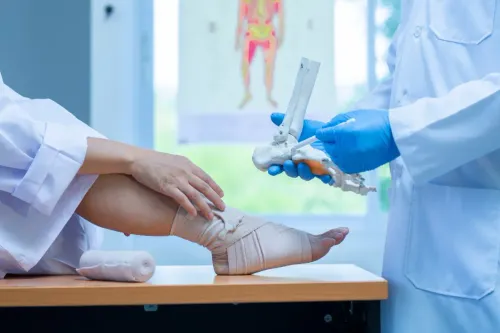
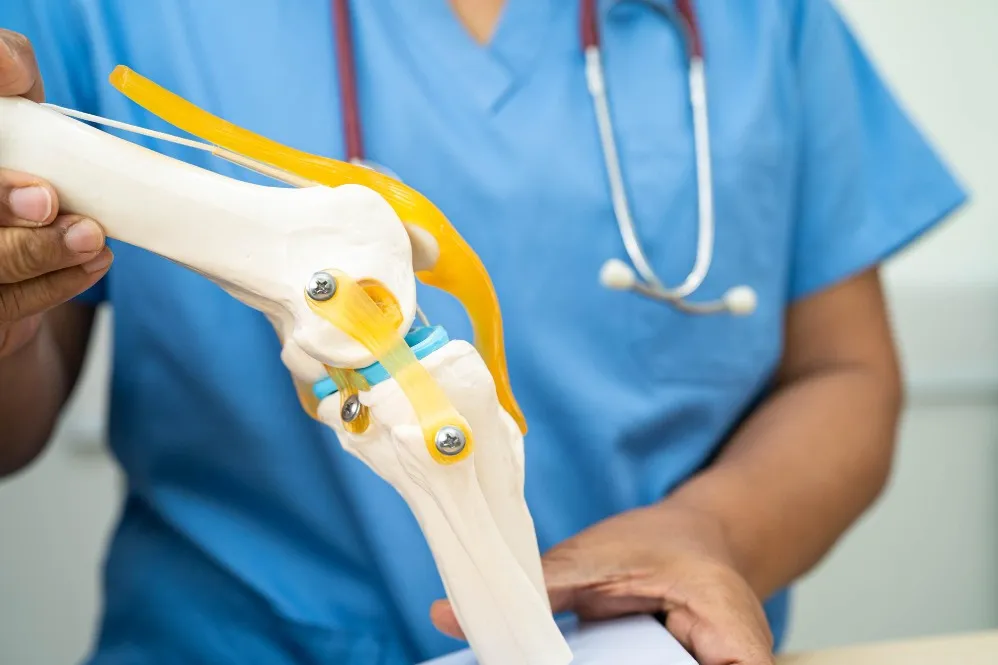
Joint replacement may be considered when advanced arthritis or joint damage causes persistent pain, reduced mobility, and loss of independence despite appropriate non-surgical care. Since it is major surgery, selecting a Joint Replacement Surgeon in Pune deserves careful evaluation.
The decision should be based on diagnosis, functional limitation, surgeon experience, hospital systems, and the quality of preoperative and postoperative support.
Confirm Whether Replacement Is Appropriate
Severe pain alone does not automatically determine the need for surgery. The surgeon should consider:
- Clinical examination
- X-ray findings
- Effect on walking and daily activities
- Response to physiotherapy and medication
- Overall health
- Joint alignment and stability
- Patient goals and expectations
For some patients, continued conservative care may remain appropriate. Others may have advanced damage for which replacement offers a reasonable route to improved function.
Ask About Relevant Surgical Experience
A surgeon’s experience should relate to the joint and procedure being considered. Ask whether the doctor regularly performs primary replacement, partial replacement, total replacement, or revision procedures.
Useful questions include:
- Which operation suits my condition?
- Why is this approach being recommended?
- What are the alternatives?
- How is implant selection made?
- Is robotic assistance relevant in my case?
- What complications are most important for me?
- How is recovery monitored?
Clear answers help distinguish individualized planning from a one-size-fits-all recommendation.
Assess the Complete Care System
Surgical skill is central, but successful replacement care involves a wider team. The hospital should have suitable operating facilities, anaesthesia support, infection-control processes, physiotherapy, and protocols for medical complications.
Evaluate whether the care pathway includes:
- Pre-anaesthesia assessment
- Medical optimization
- Infection screening
- Blood clot prevention
- Pain management
- Early mobilization
- Physiotherapy
- Wound follow-up
- Emergency contact guidance
Patients with diabetes, heart conditions, anaemia, or other illnesses may require additional preparation.
Look for Realistic Communication
Joint replacement can relieve arthritis pain and improve movement, but it does not create a biologically normal joint. Results and recovery differ among patients.
A responsible surgeon should explain:
- Expected benefits
- Reasonable activity goals
- Implant limitations
- Rehabilitation requirements
- Possibility of complications
- Potential need for future revision
- Factors that may slow recovery
Be cautious of guarantees, “zero-risk” language, or claims that every patient follows the same recovery timeline.
Compare More Than Procedure Cost
The quoted price may differ according to hospital category, implant, room type, medical complexity, tests, medicines, and duration of stay.
Request clarity on:
- Surgeon and hospital charges
- Implant costs
- Anaesthesia
- Investigations
- Physiotherapy
- Medicines and consumables
- Follow-up
- Possible additional expenses
Patients using insurance should verify authorization requirements and policy exclusions directly with the insurer or hospital desk.
Consider Follow-Up Accessibility
Recovery continues after discharge. Pune residents may need to account for traffic, transport, stair access, and support at home. A conveniently located surgeon can make reviews easier, but expertise and coordinated care remain more important than distance alone.
Dr Amit Laturkar Orthopedic Aundh provides evaluation for knee and hip arthritis and discusses joint replacement when clinically appropriate. The consultation should allow patients to review imaging, understand alternatives, and prepare questions without feeling pressured.
Choose a surgeon who explains why replacement is suitable, how risks will be managed, and what participation will be expected from you during rehabilitation. Informed preparation is one of the strongest indicators of readiness for joint replacement.
Keywords