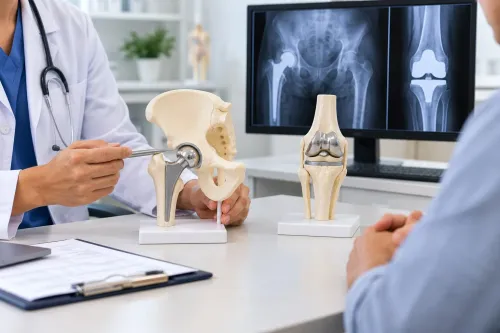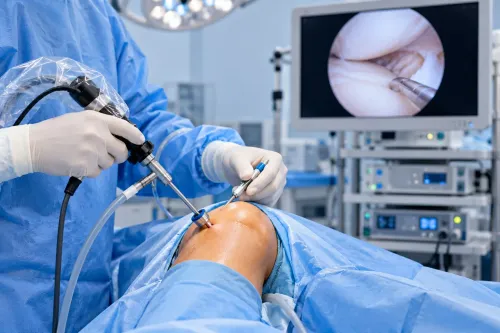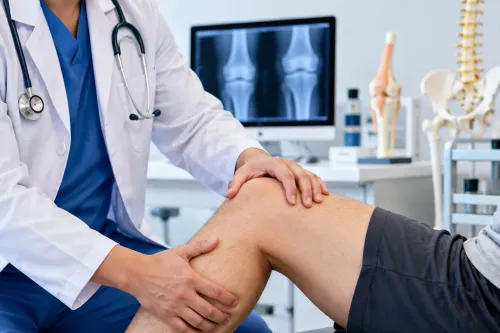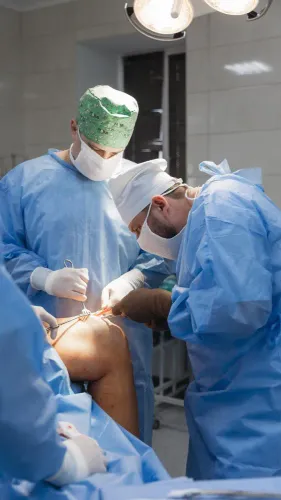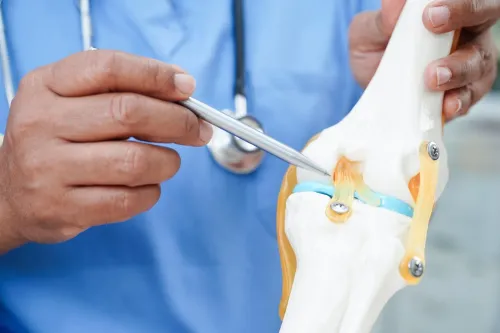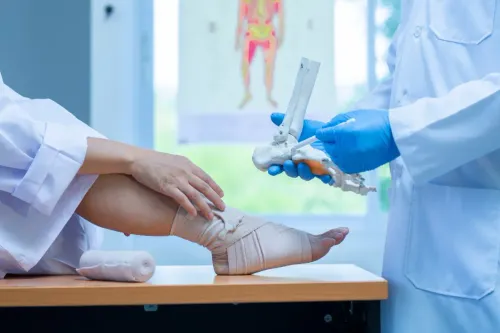

Bone and joint problems can affect every stage of life, from sports injuries in young adults to arthritis and joint degeneration in older individuals. Whether you're dealing with persistent knee pain, a fracture, shoulder discomfort, or hip stiffness, selecting the right Orthopedic Surgeon is an important step toward receiving appropriate treatment. A thoughtful choice can help ensure an accurate diagnosis, a personalized treatment plan, and better long-term outcomes.
Orthopedic surgery is a specialized field that focuses on diagnosing and treating disorders of the musculoskeletal system. While many orthopedic conditions can be managed without surgery, having access to a surgeon who offers both conservative and surgical treatment options ensures that care is tailored to your specific needs.
What Does an Orthopedic Surgeon Treat?
An orthopedic surgeon manages a wide range of conditions involving bones, joints, muscles, ligaments, tendons, and the spine.
Some commonly treated conditions include:
- Arthritis of the knee, hip, and shoulder
- Sports injuries
- Fractures and trauma
- Ligament and tendon injuries
- Cartilage damage
- Shoulder disorders
- Foot and ankle problems
- Joint stiffness
- Hip and knee degeneration
- Back and neck conditions
The treatment approach depends on the patient's diagnosis, lifestyle, overall health, and functional goals.
When Should You Consult an Orthopedic Surgeon?
Not every joint ache requires specialist care, but certain symptoms should not be ignored.
You should consider an orthopedic consultation if you experience:
- Joint pain lasting more than a few weeks
- Swelling that persists despite rest
- Difficulty walking or climbing stairs
- Limited movement in a joint
- Pain following an accident or fall
- Recurrent sports injuries
- Joint instability
- Pain that affects sleep or daily activities
Early evaluation often allows treatment to begin before the condition becomes more severe.
What Qualities Should You Look For?
Choosing an orthopedic surgeon involves more than finding someone close to your location.
Some important considerations include:
Clinical Experience
Look for a surgeon experienced in diagnosing and treating conditions similar to yours. Orthopedic surgery includes several subspecialties such as sports injuries, trauma, arthroscopy, joint replacement, and foot and ankle surgery.
Comprehensive Assessment
A thorough consultation should include a detailed medical history, physical examination, and appropriate diagnostic investigations before recommending treatment.
Clear Communication
Patients benefit from doctors who explain their diagnosis, treatment options, expected recovery, and possible outcomes in language that is easy to understand.
Individualized Treatment
Every patient is different. A good orthopedic surgeon recommends treatment based on the patient's condition rather than applying the same approach to everyone.
Surgery Is Not Always the First Option
One common misconception is that consulting an orthopedic surgeon automatically means surgery will be recommended.
In reality, many orthopedic conditions respond well to:
- Physiotherapy
- Medication
- Lifestyle modifications
- Activity changes
- Joint injections where appropriate
- Strengthening programmes
- Weight management
Surgery is generally considered only when conservative treatment has not provided sufficient improvement or when the injury requires operative management.
Questions You Can Ask During Your Appointment
Being prepared for your consultation helps you understand your condition more clearly.
Useful questions include:
- What is causing my symptoms?
- What tests will I need?
- Can my condition be managed without surgery?
- What treatment options are available?
- How long will recovery take?
- Will physiotherapy be necessary?
- What activities should I avoid?
Open communication helps patients participate actively in treatment planning.
Why Follow-Up Care Matters
Orthopedic treatment does not end after the initial consultation or surgery.
Regular follow-up appointments allow the specialist to:
- Monitor healing
- Assess joint function
- Modify rehabilitation programmes
- Identify complications early
- Guide safe return to work or sports
Following medical advice consistently plays an important role in achieving the best possible outcome.
Finding Quality Orthopedic Care in Sanghvi
Residents of Sanghvi and nearby areas of Pune often seek specialized orthopedic care for conditions that affect mobility and quality of life. Choosing an Orthopedic Surgeon who offers comprehensive evaluation and evidence-based treatment can help patients receive appropriate care based on their individual needs.
Dr. Amit Laturkar provides assessment and treatment for a broad range of orthopedic conditions, combining careful clinical evaluation with personalized treatment planning. Whether the condition requires conservative management or surgical intervention, the focus remains on restoring movement, relieving pain, and supporting long-term musculoskeletal health.
Persistent orthopedic problems should never be ignored. Seeking timely medical evaluation can help identify the underlying cause, prevent complications, and enable patients to return to their daily activities with greater comfort and confidence.
Keywords