
Searching for the Best Orthopedic Doctor in Pune can produce many names, reviews, and claims. Yet the right doctor is not necessarily the one with the most advertising or the longest list of procedures. A better choice is a specialist whose experience, communication, and treatment approach match your particular condition.
Begin With the Problem You Need Treated
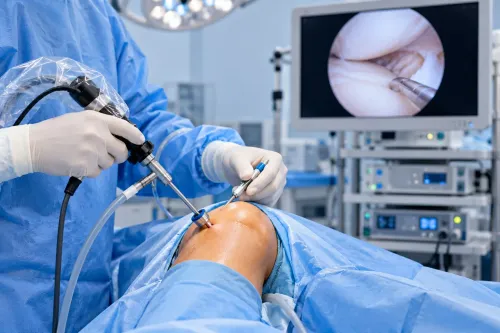
Orthopedics covers a wide field. Some doctors concentrate on joint replacement, while others have greater experience in trauma, sports injuries, arthroscopy, foot and ankle conditions, or complex reconstruction.
Before selecting a doctor, identify your main concern:
- Recent fracture or accident
- Persistent knee or hip pain
- Sports-related ligament injury
- Recurrent shoulder dislocation
- Foot or ankle disorder
- Advanced arthritis
- Need for a second opinion
- Possible joint replacement
A doctor whose clinical work regularly includes your condition may be better positioned to explain the available options.
Review Qualifications and Relevant Experience
Patients should look for recognized orthopedic qualifications and legitimate medical registration. Experience should also be considered in context.
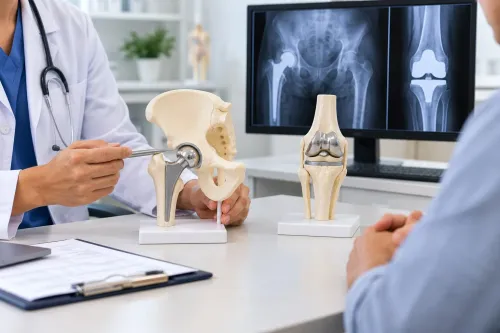
For example, when joint replacement is being evaluated, useful questions include:
- Does the surgeon regularly perform this procedure?
- Which surgical approaches are available?
- How are patients assessed before surgery?
- What rehabilitation support is provided?
- How are risks and possible complications discussed?
- What happens if recovery does not follow the expected course?
Numbers alone do not tell the whole story. Consistent practice, appropriate patient selection, safety processes, and follow-up care are equally important.
Notice How Clearly the Doctor Communicates
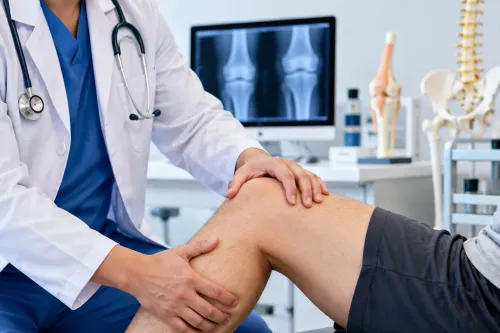
A good consultation should leave you better informed, even when the diagnosis is complicated. The doctor should listen to your symptoms, examine the affected area, and explain why a particular test or treatment is being recommended.
Helpful communication includes:
- Explaining the diagnosis in understandable language
- Discussing both surgical and non-surgical options
- Setting realistic expectations
- Answering questions without dismissing concerns
- Clarifying recovery and activity restrictions
- Explaining important risks
Be cautious when treatment is guaranteed or when surgery is presented as the only option without a clear clinical reason.
Look for a Diagnosis-Led Treatment Approach
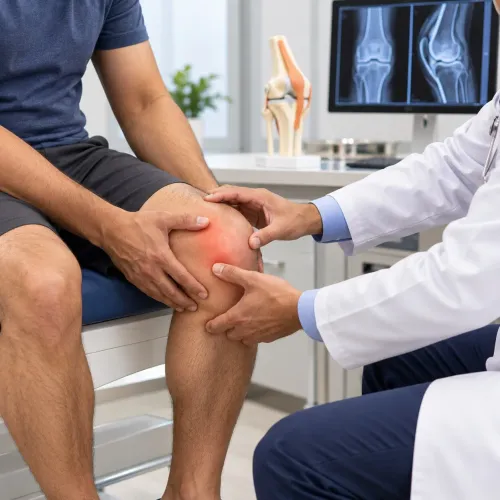
Pain location alone does not establish the diagnosis. Knee pain, for instance, may arise from arthritis, a meniscus injury, ligament damage, kneecap mechanics, inflammation, referred hip pain, or other causes.
A thoughtful orthopedic assessment normally combines medical history, physical examination, and relevant investigations. Advanced scans should be ordered when they are likely to influence treatment rather than as a routine substitute for examination.
Consider Practical Access
Pune traffic and travel time can become significant during treatment. Patients recovering from a fracture or operation may need repeated appointments, wound reviews, physiotherapy, and imaging.
Consider:
- Clinic accessibility
- Appointment availability
- Hospital affiliation
- Availability of emergency guidance
- Coordination with physiotherapy
- Ease of follow-up
- Clarity about consultation and procedure costs
Convenience should not outweigh clinical suitability, but it can influence how consistently a patient follows the treatment plan.
Use Reviews Carefully
Online reviews may offer clues about waiting time, staff behaviour, and communication. They should not be treated as proof that the same outcome will occur for every patient.
Orthopedic recovery depends on the condition, severity, age, overall health, rehabilitation, and adherence to instructions. Look for patterns in reviews instead of relying on one extremely positive or negative comment.
Prepare for the First Consultation
Take previous X-rays, scan reports, medication lists, discharge summaries, and details of earlier treatment. Write down the activities you can no longer perform and the questions you want answered.
Dr Amit Laturkar Orthopedic Aundh offers consultation for fractures, sports injuries, arthritis, and knee, hip, foot, and ankle conditions. Patients considering orthopedic care in Pune can use the first consultation to assess not only the proposed treatment but also whether the explanation feels complete and individualized.
The best choice is ultimately a doctor who diagnoses carefully, recommends proportionate treatment, and supports informed decision-making.
Keywords